- Introduction & Background
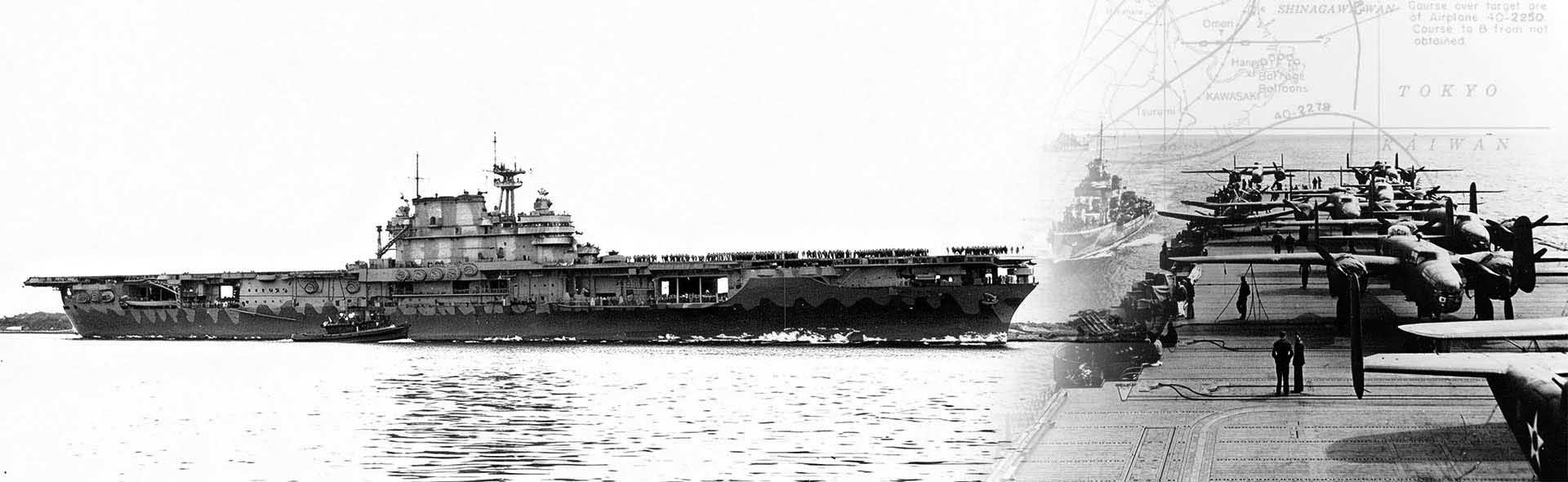
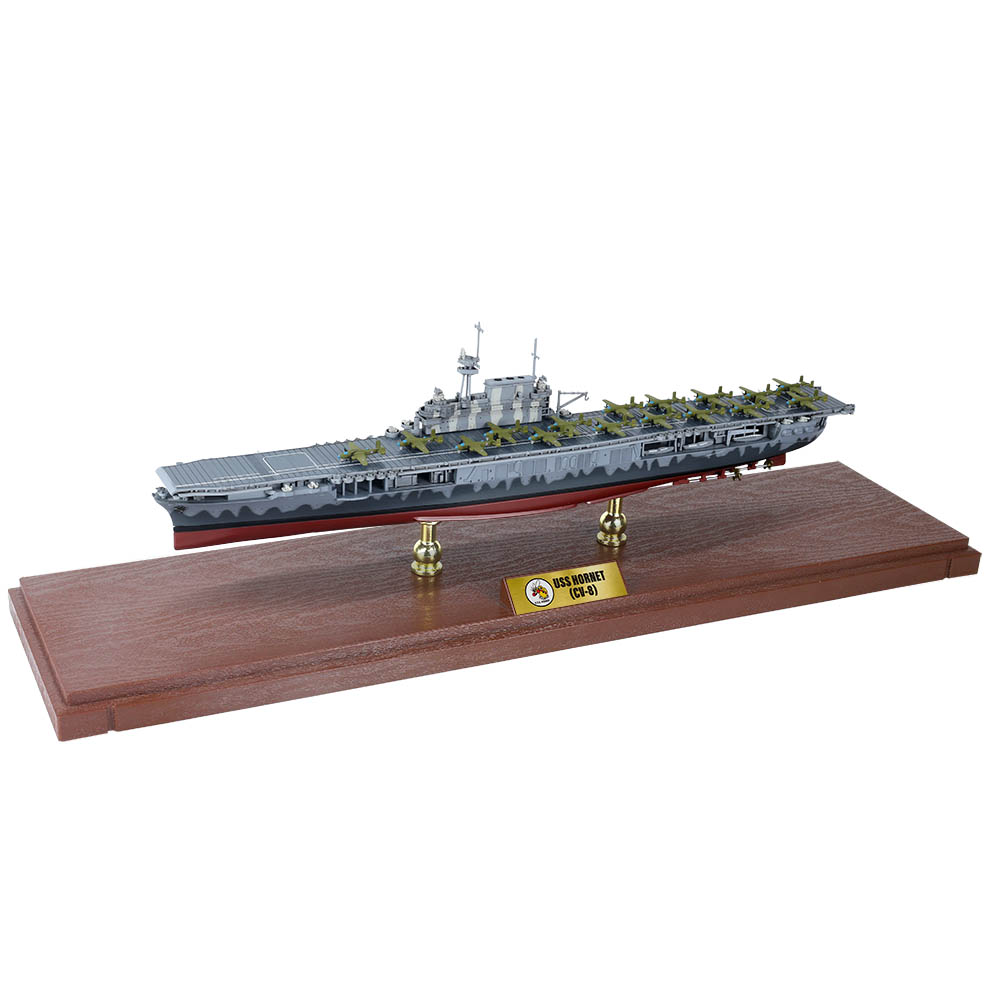
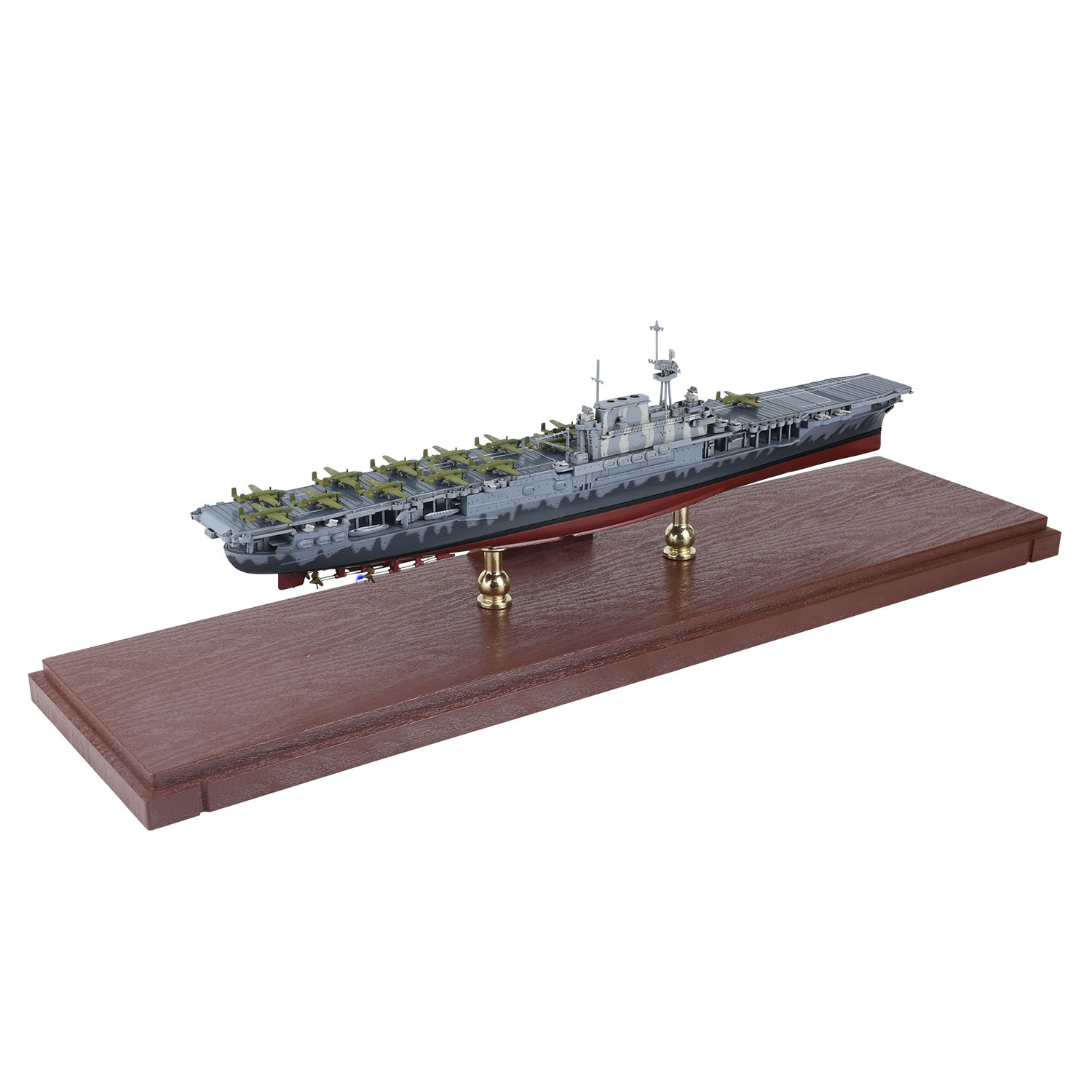
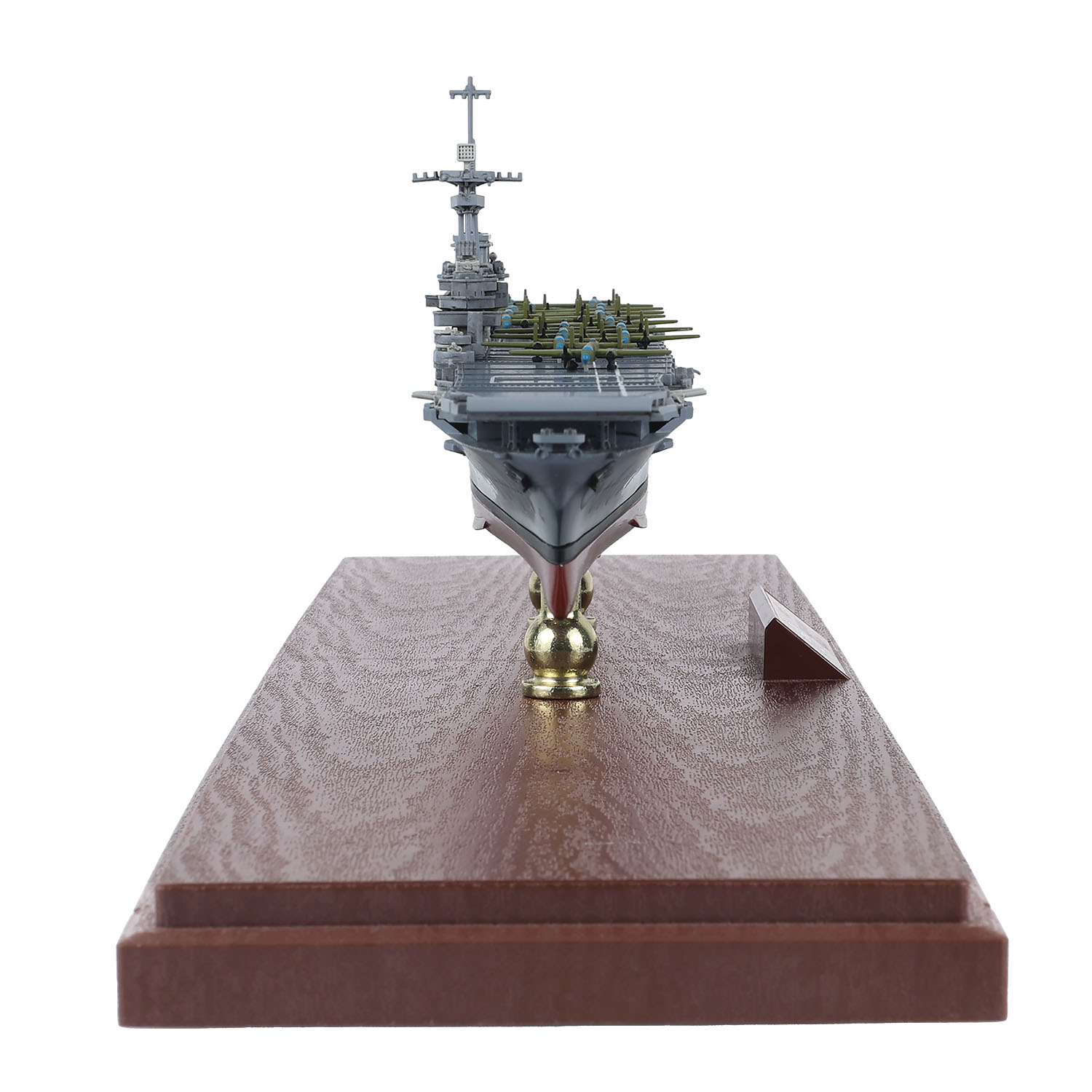
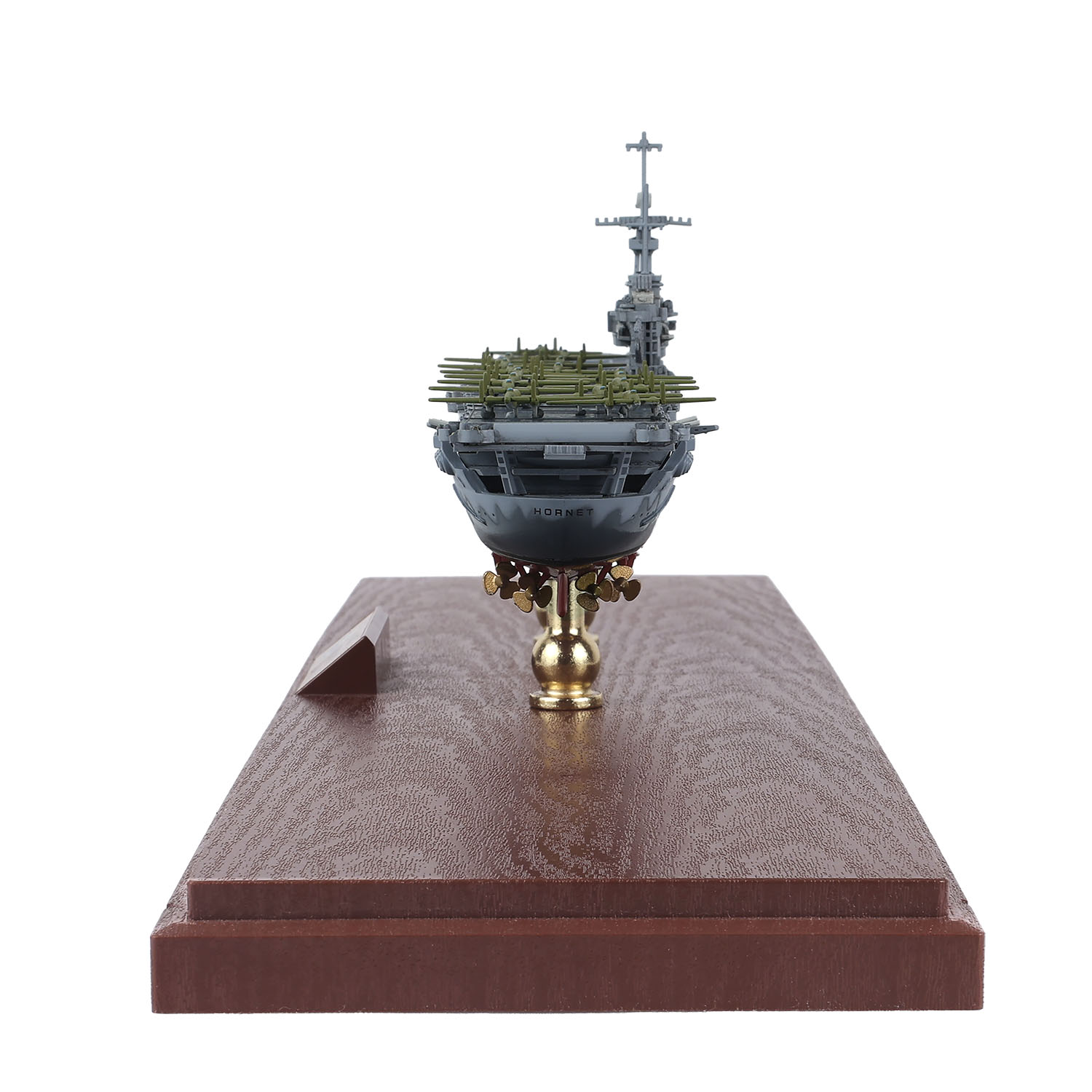
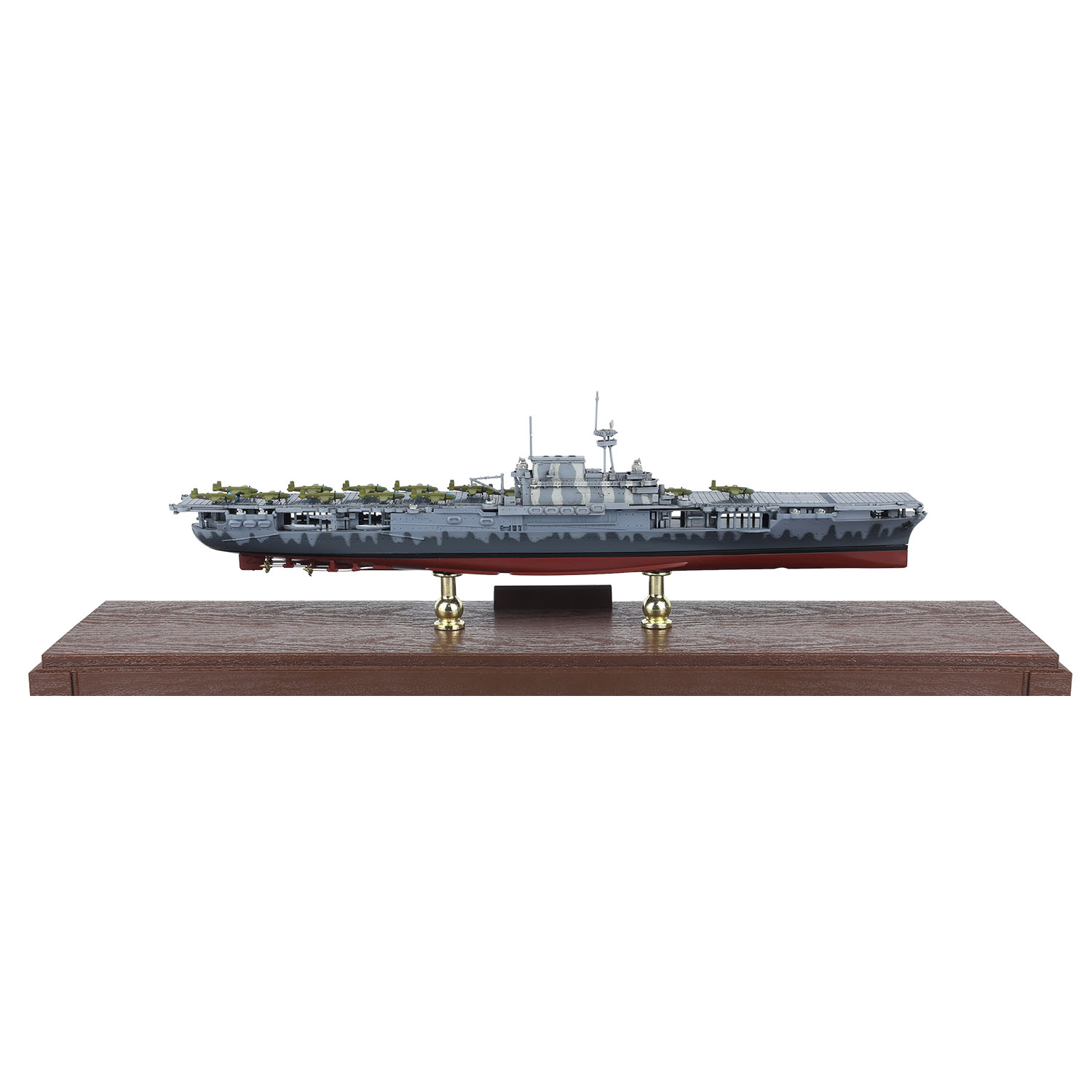
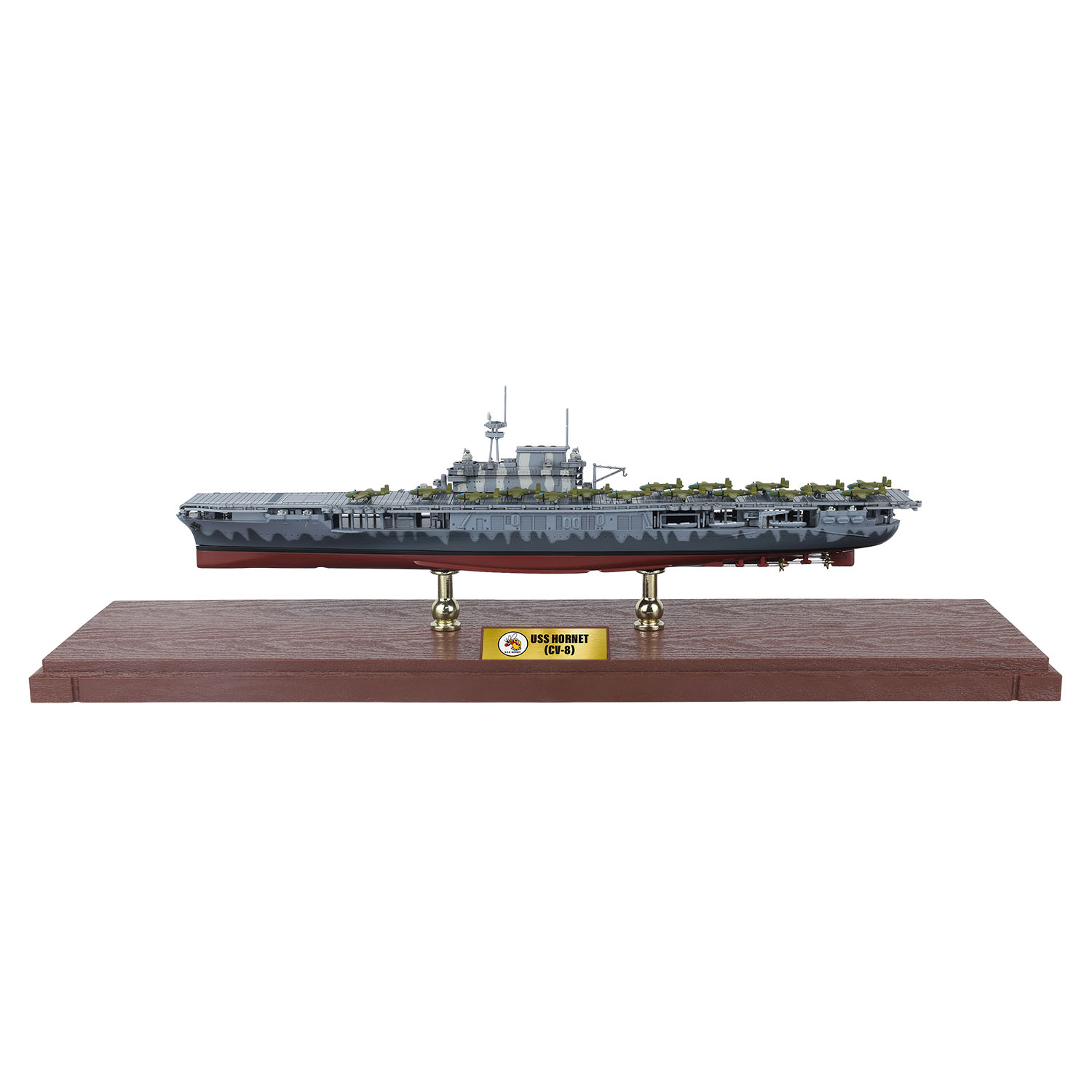
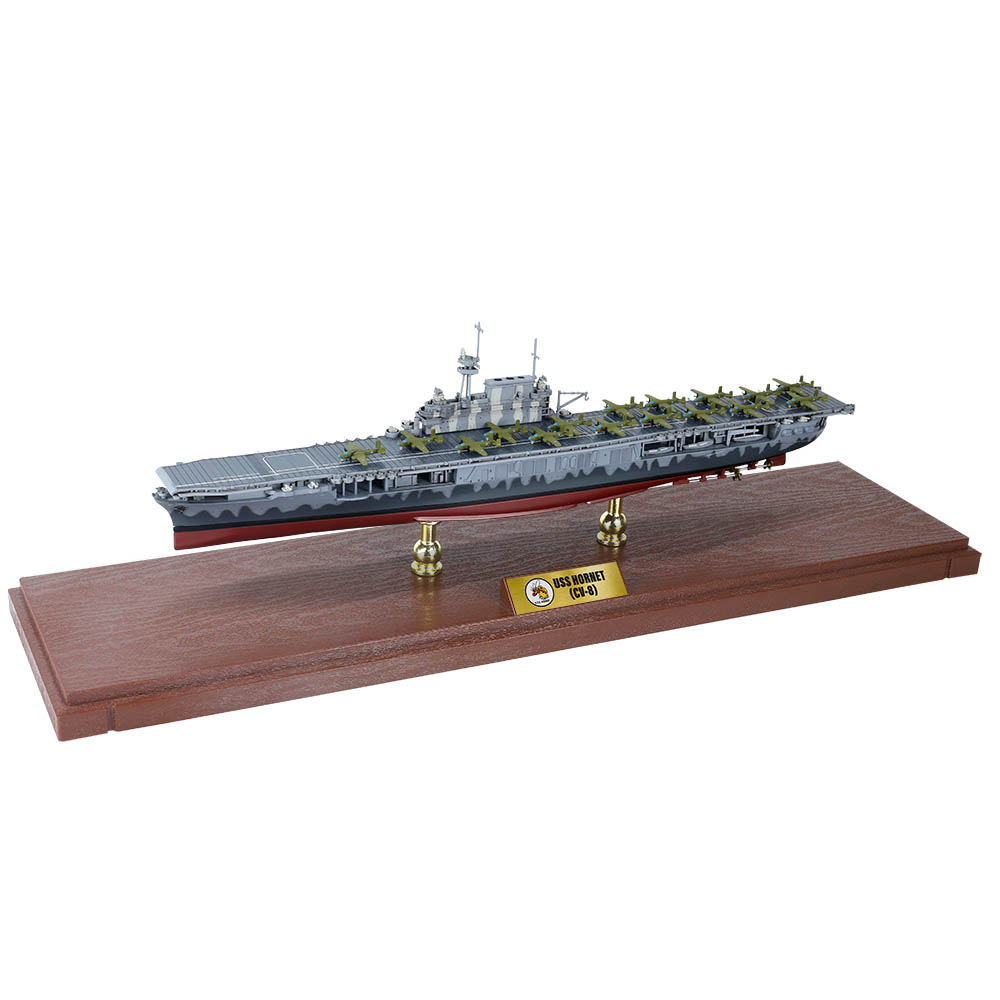
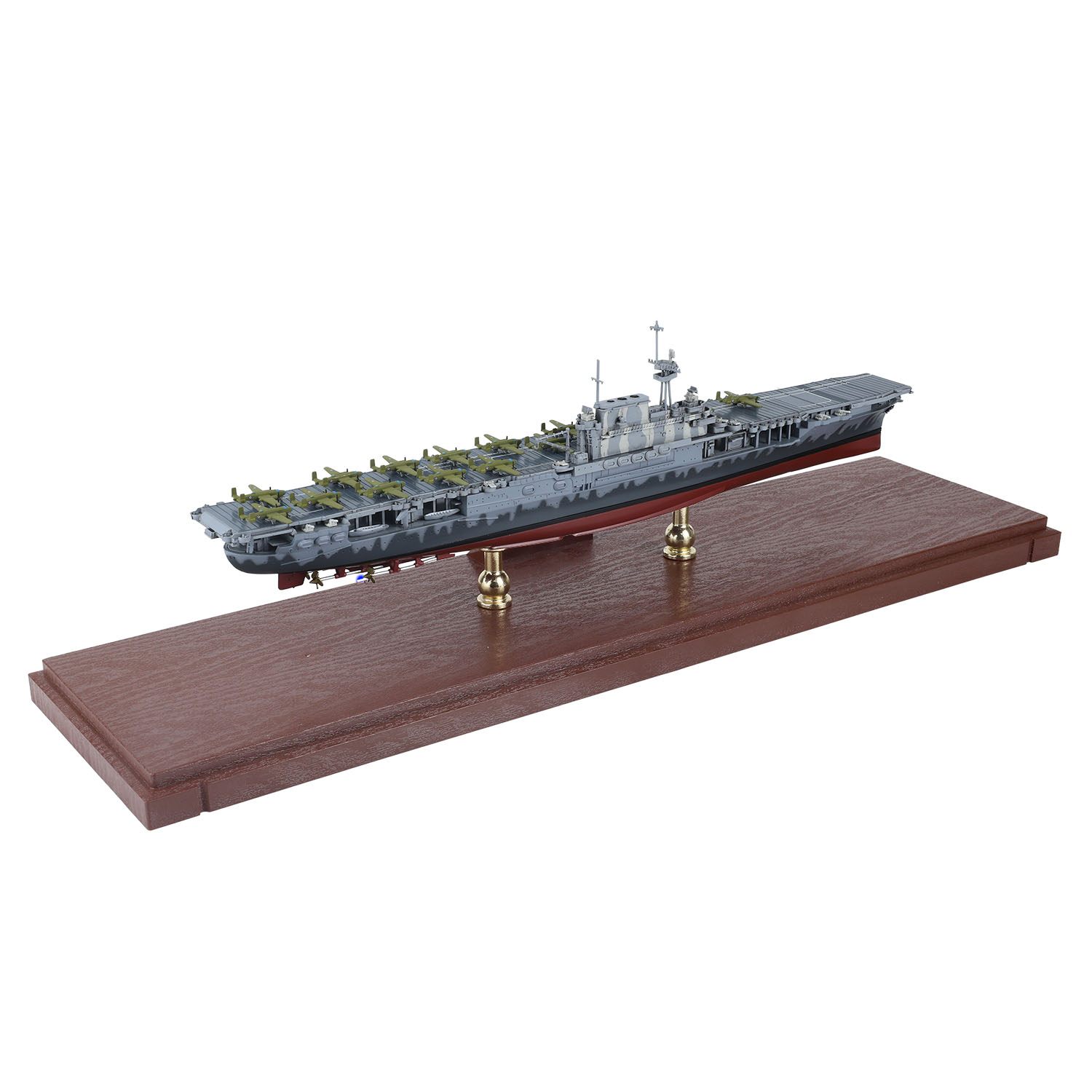
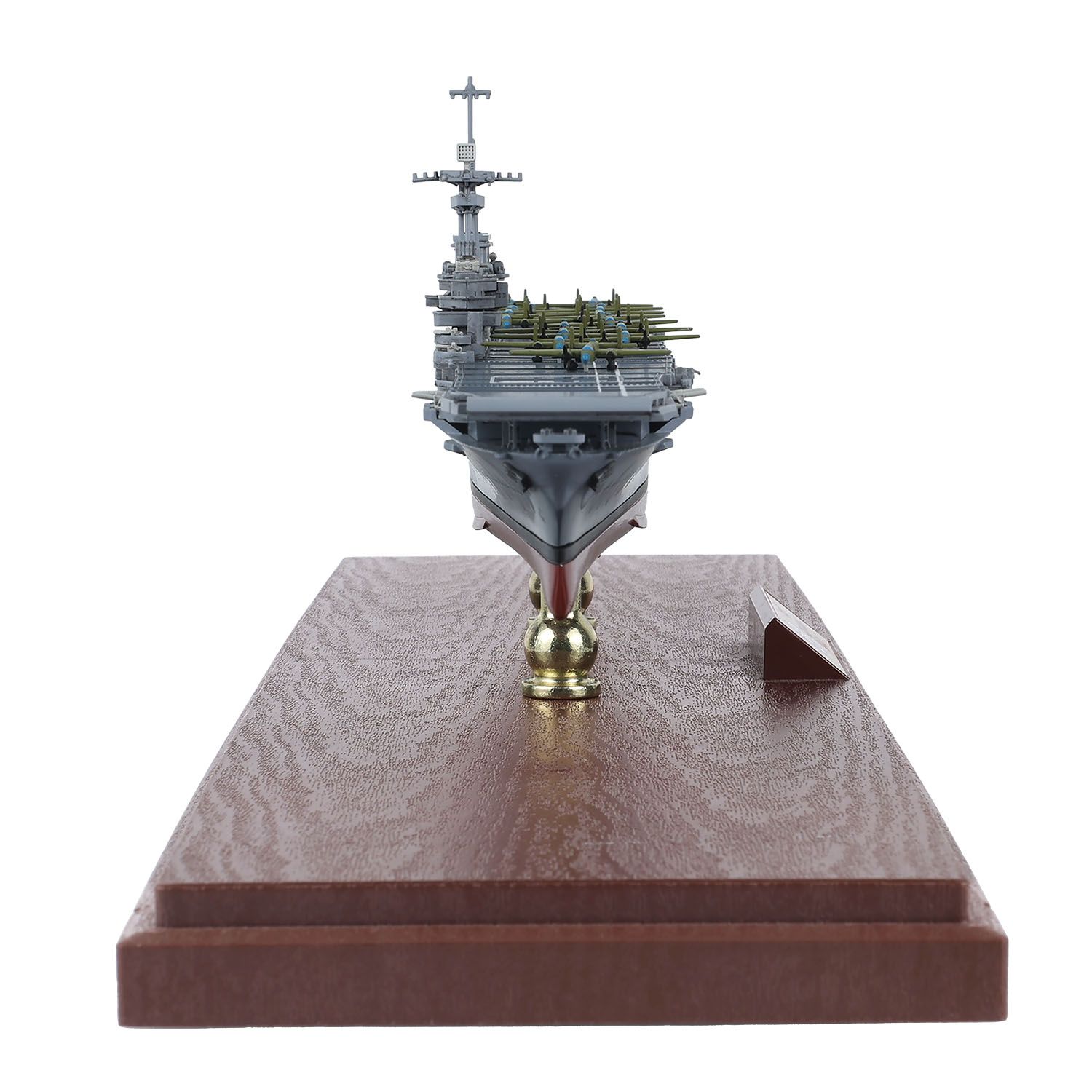
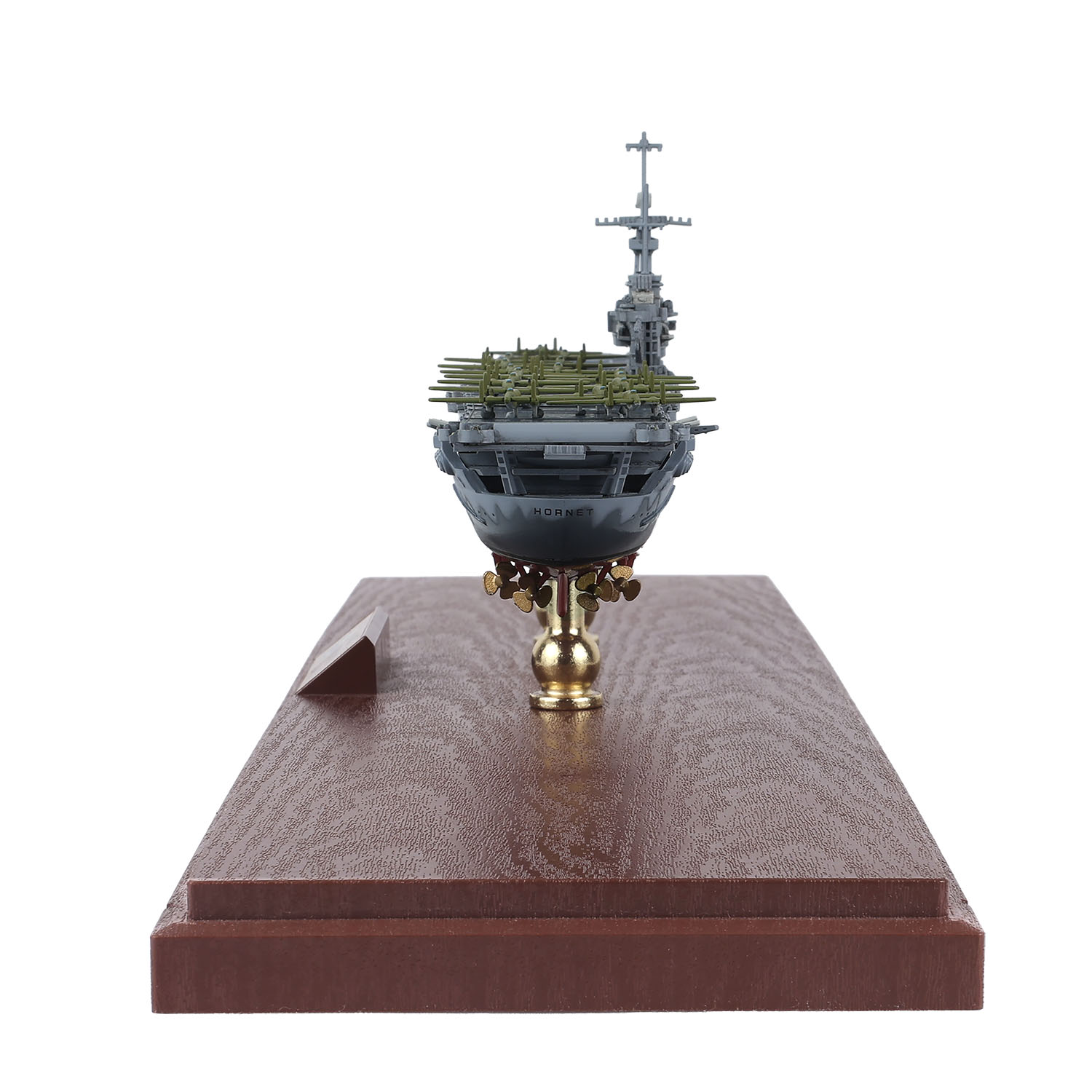
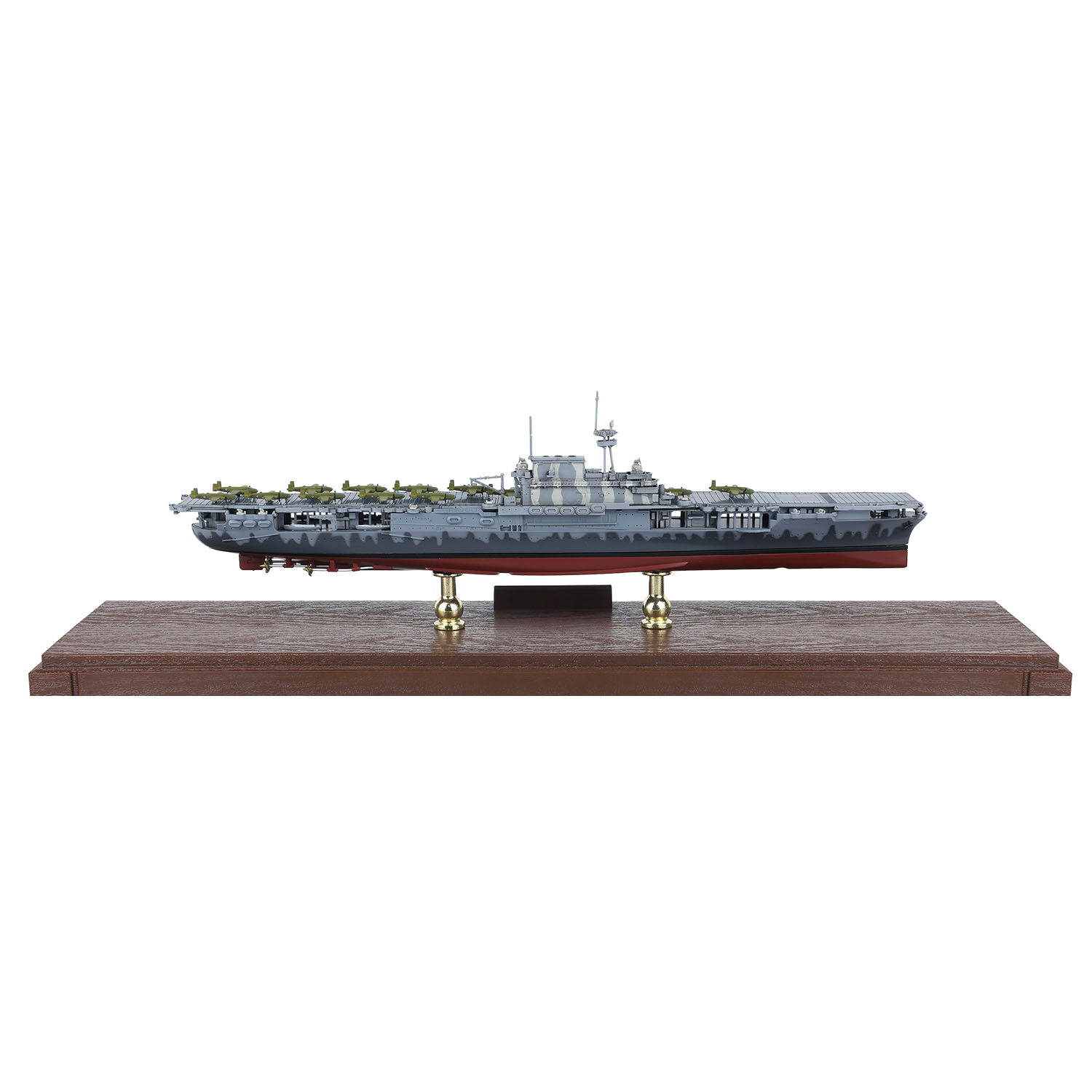
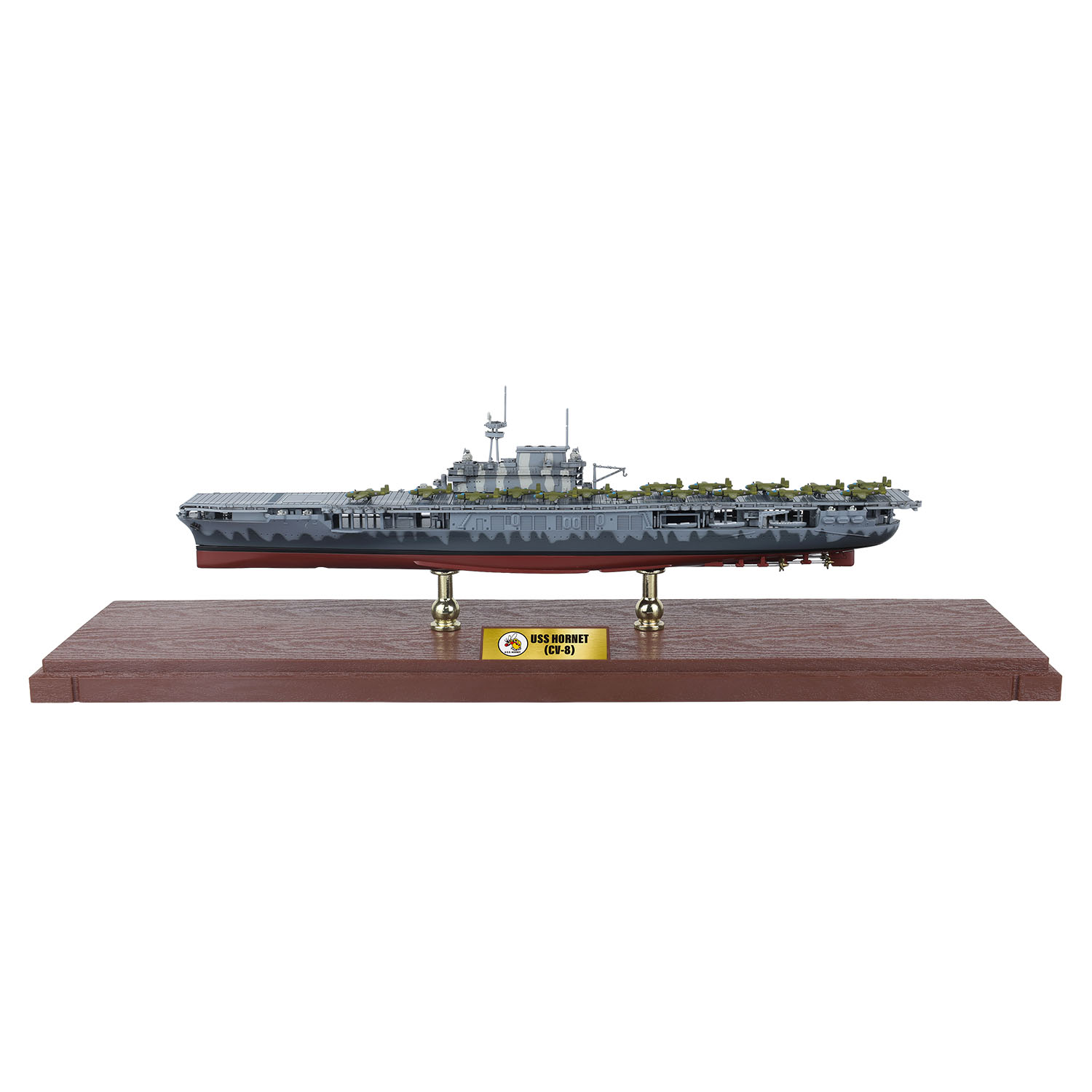
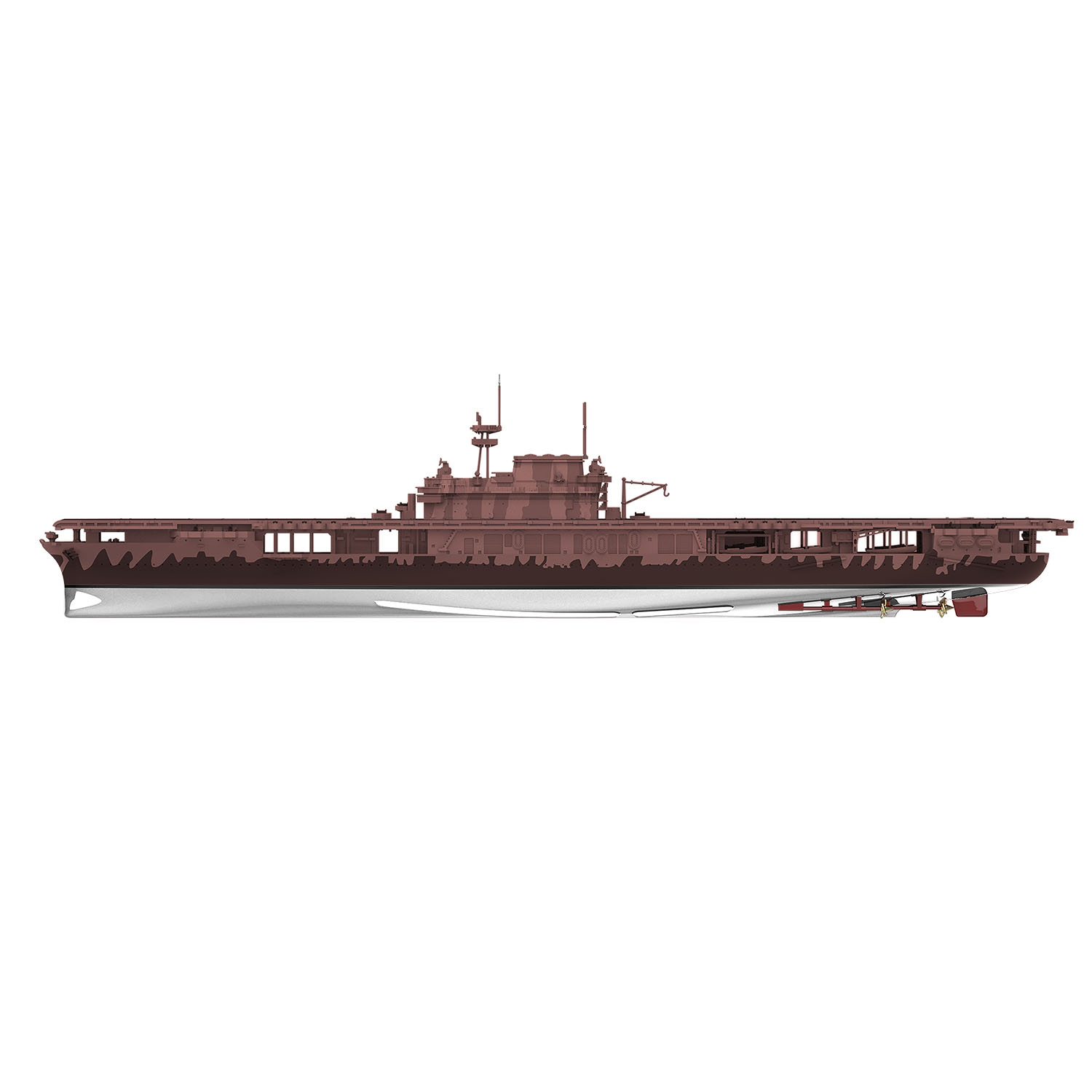
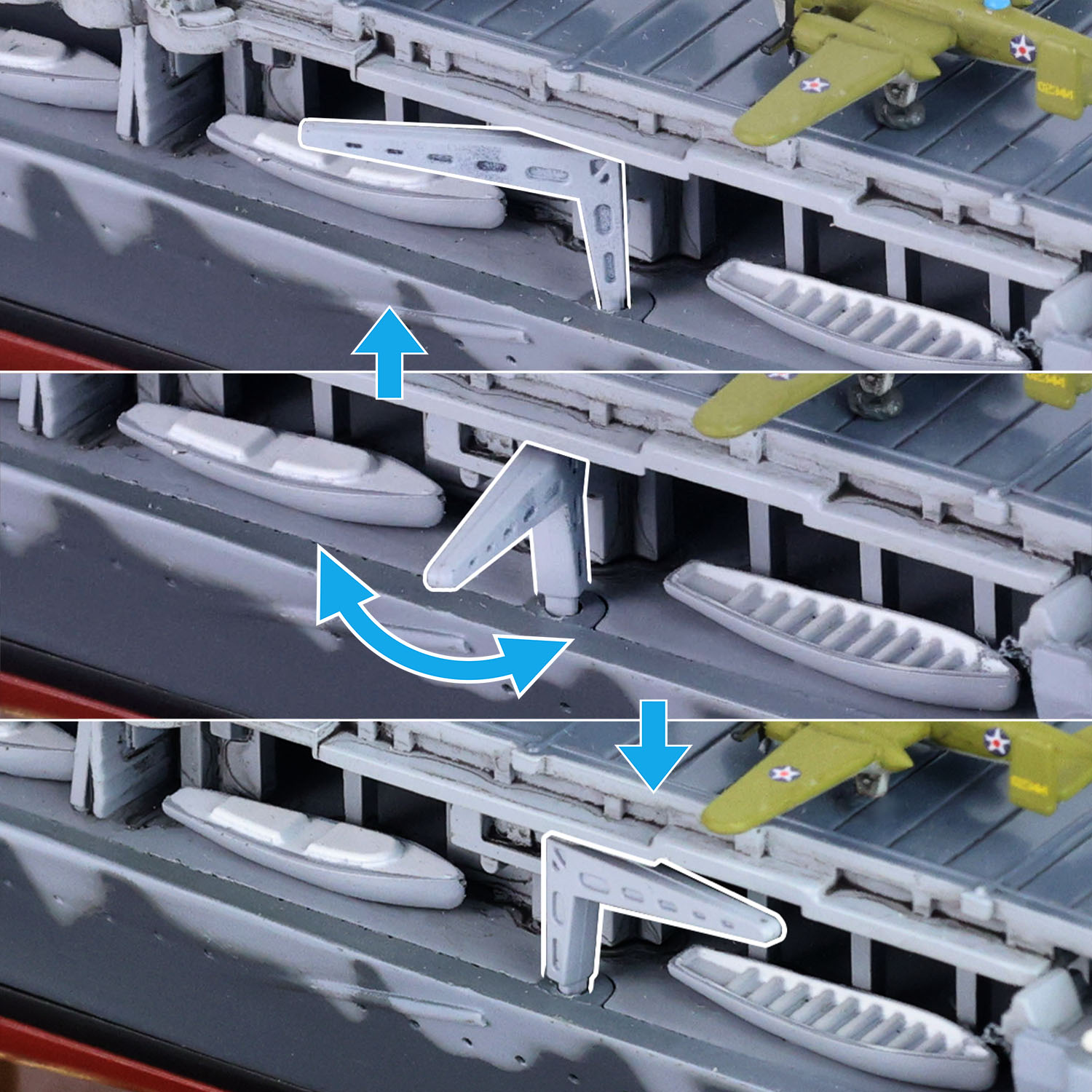
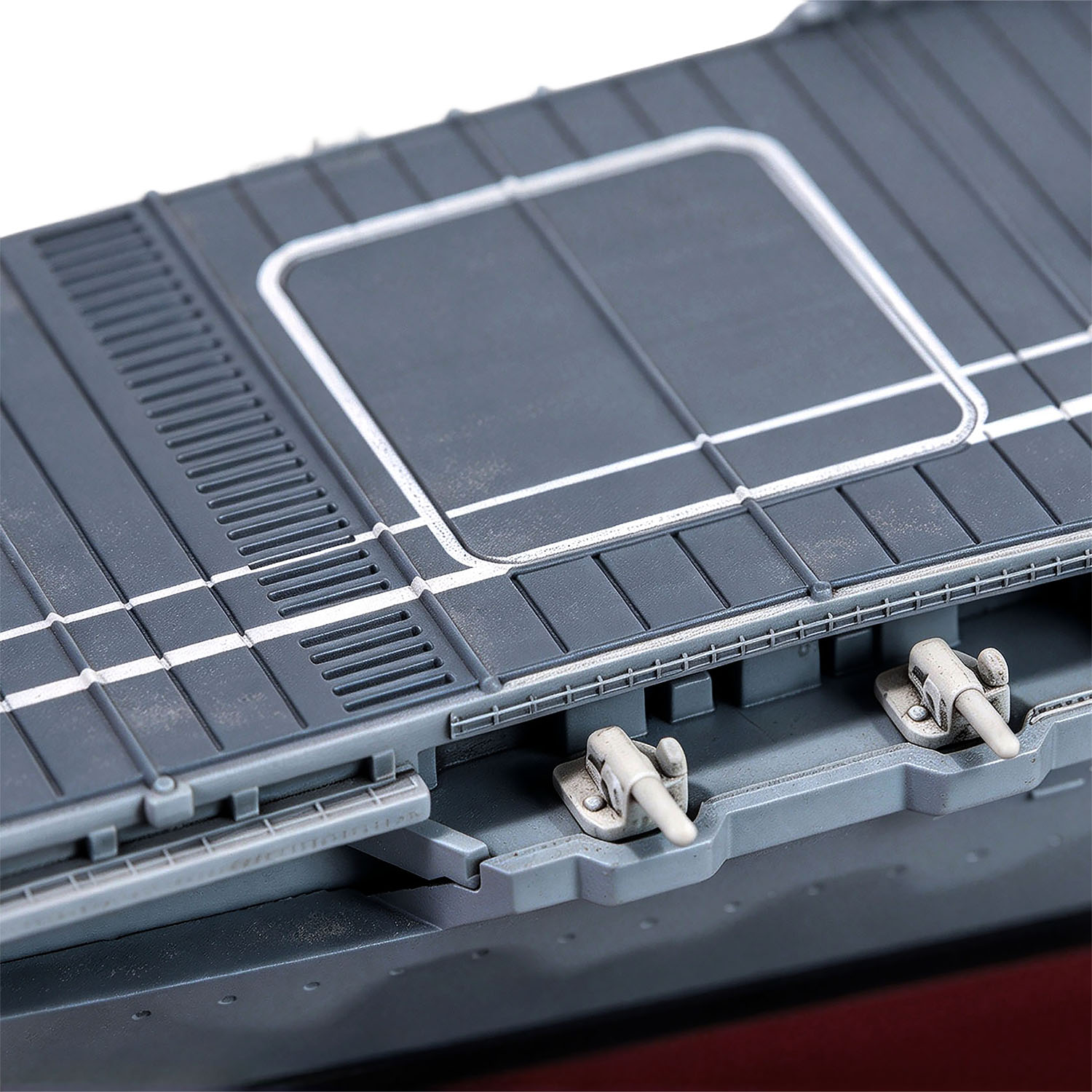
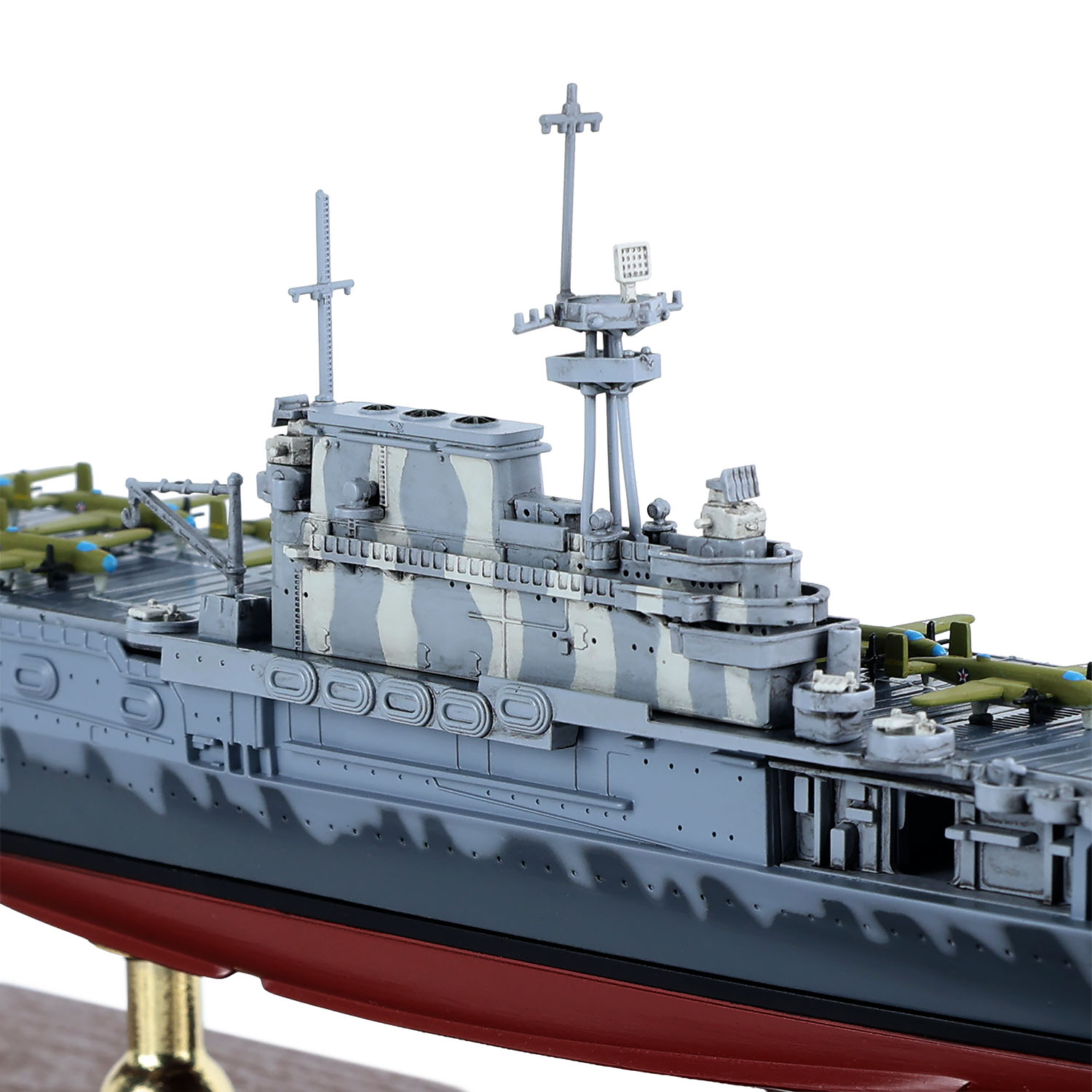
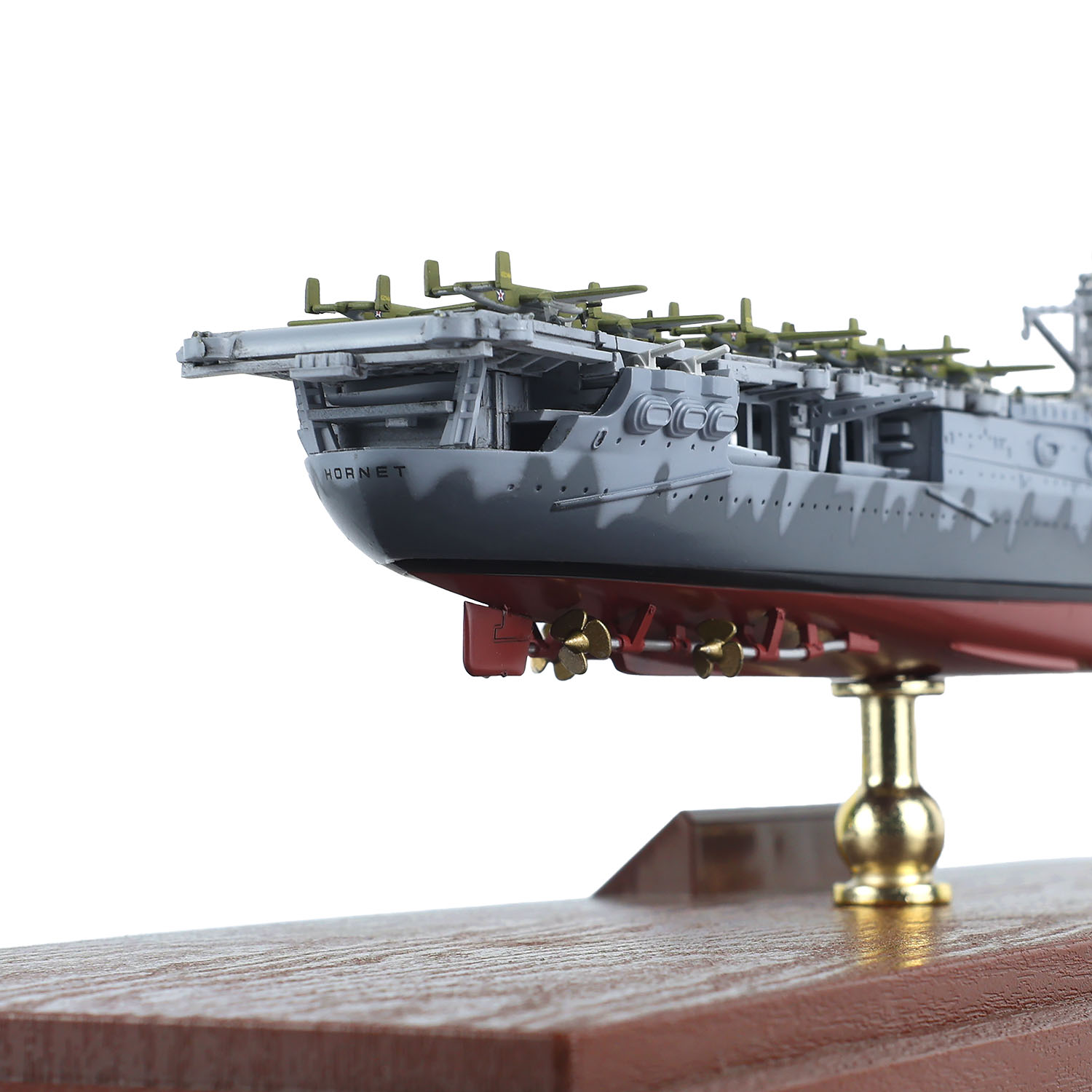
The USS Hornet (CV-8) remains one of the most legendary and inspiring aircraft carriers in the early days of World War II for the U.S. Navy. Though her service was brief, her heroic legacy solidified her place as an iron icon of American resilience and triumph. As the third ship of the Yorktown-class, CV-8 featured a standard displacement of approximately 20,000 tons (29,100 tons fully loaded) and a top speed of 32.5 knots, boasting a formidable air wing of 80 to 90 aircraft. For self-defense, she was equipped with eight 5-inch/38 caliber dual-purpose guns. Her anti-aircraft suite initially comprised quadruple 1.1-inch guns and .50 caliber machine guns, which were later urgently upgraded to highly effective 20mm Oerlikon cannons to forge a vital defensive shield.
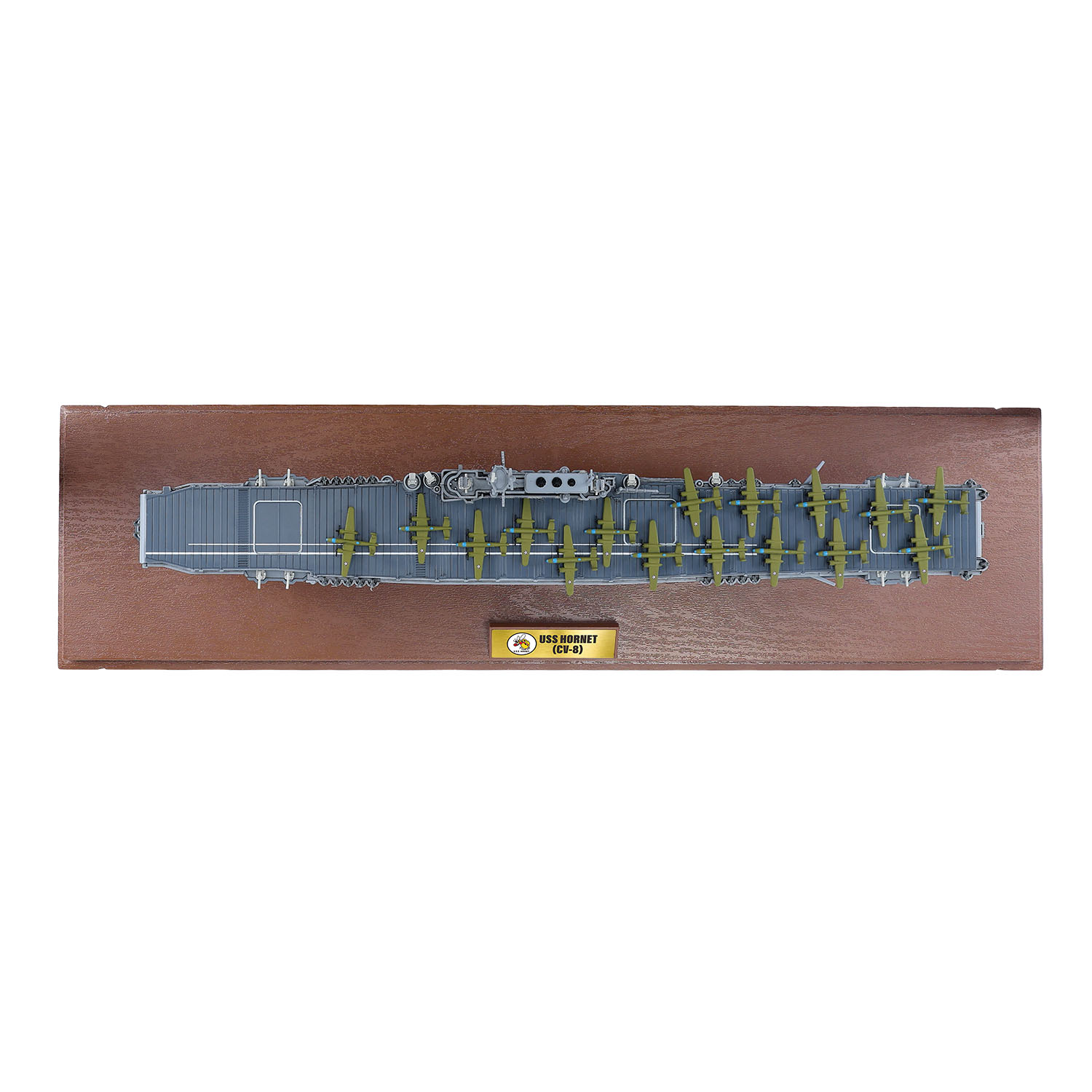
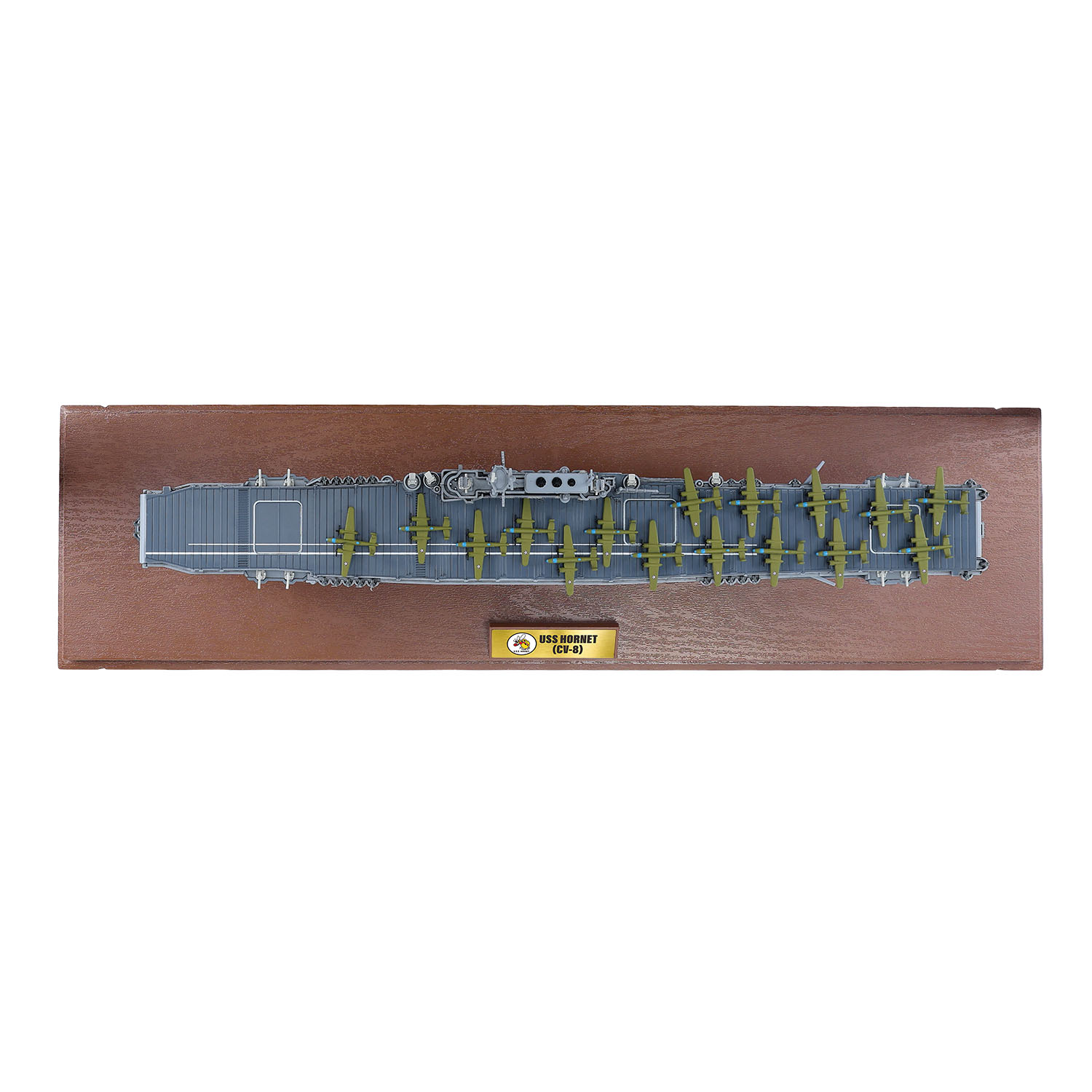
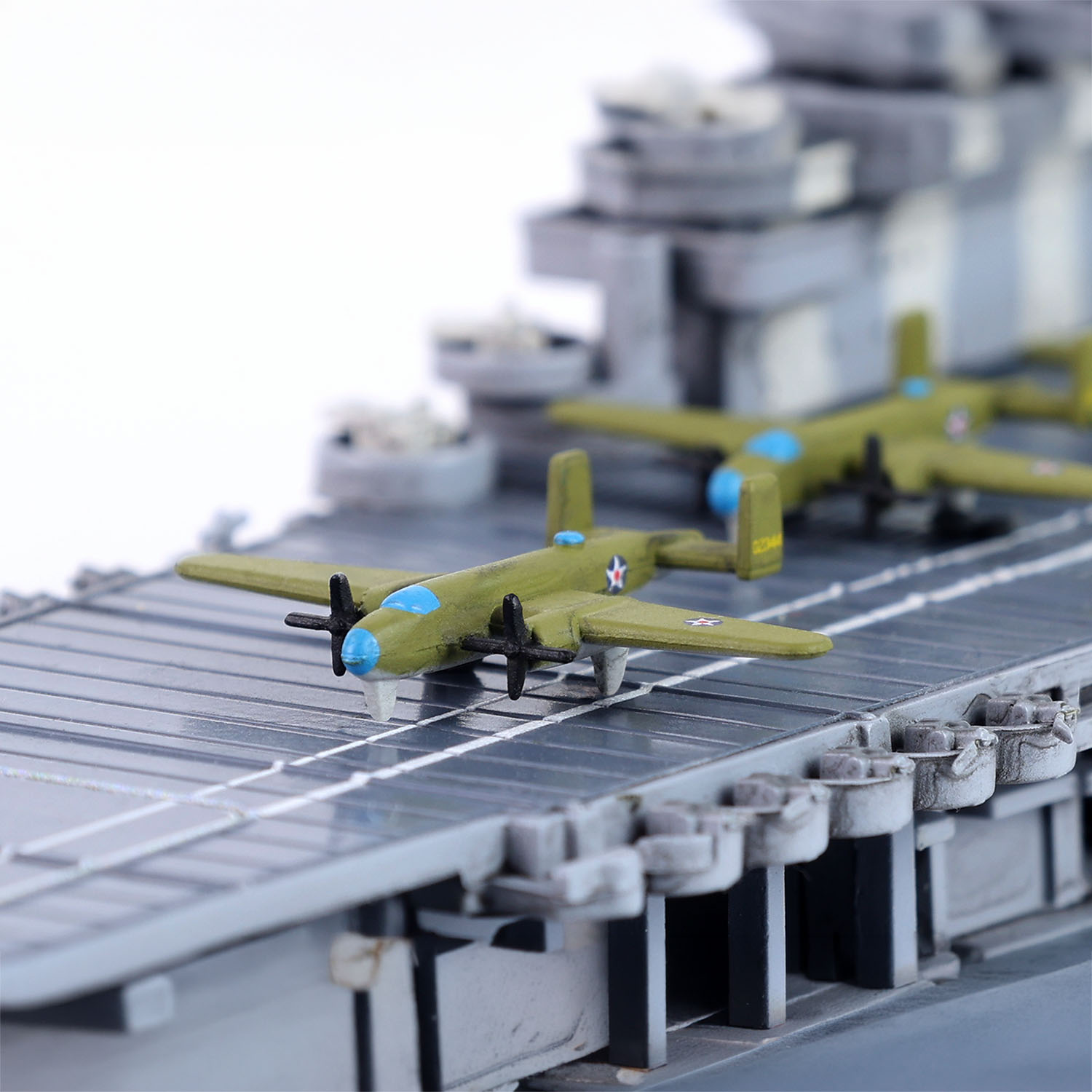
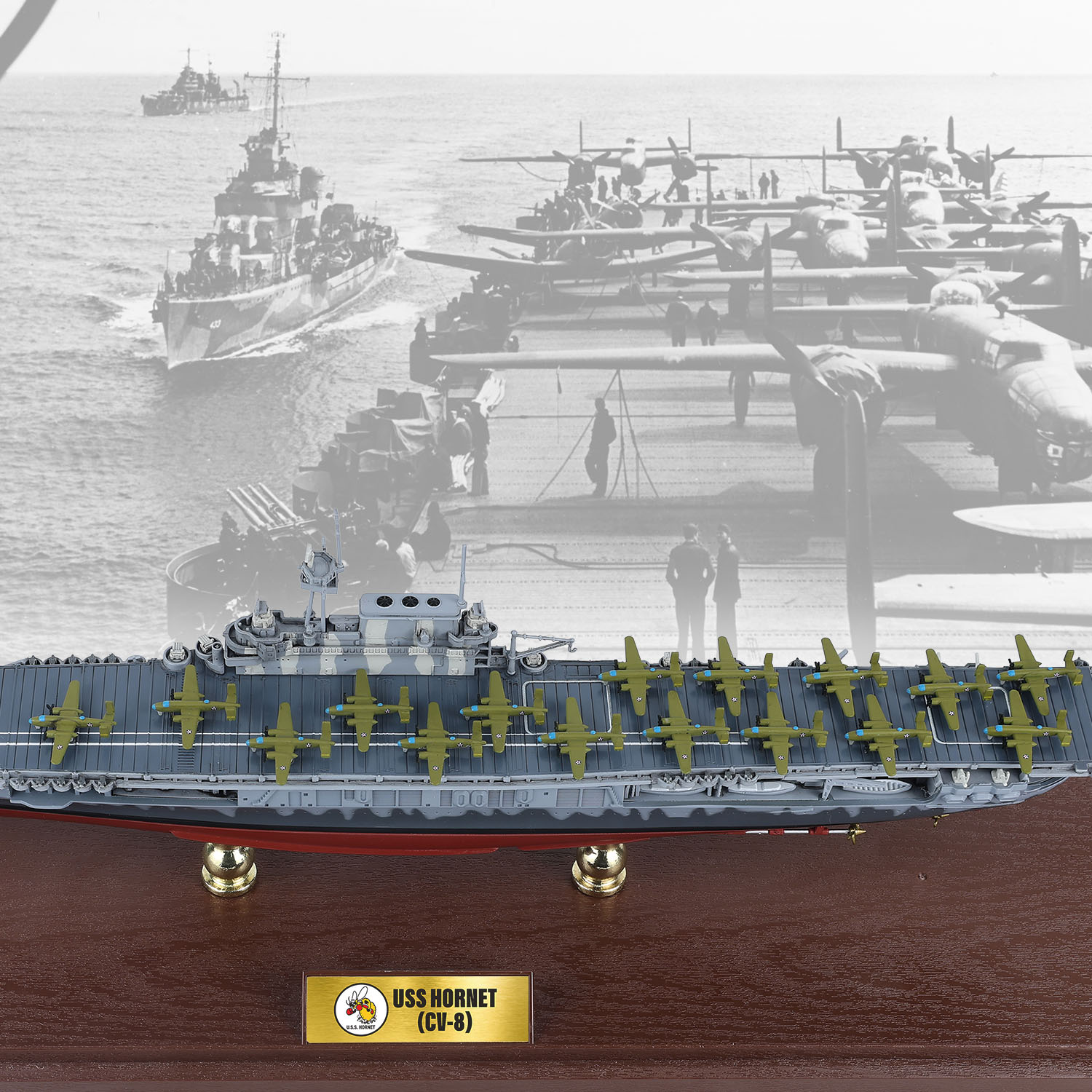
This commemorative product encapsulates the most iconic and breathtaking chapter in her wartime history—the Doolittle Raid on April 18, 1942. With American morale at its lowest following Pearl Harbor, the USS Hornet courageously carried 16 Army Air Forces B-25B Mitchell heavy bombers, aircraft never intended to launch from a carrier deck. Despite rough seas and enemy detection, she executed a daring launch in the Pacific, pulling off a miraculous surprise strike on Tokyo and other Japanese cities. This historic turning point marked its 80th anniversary in 2022 and will reach its milestone 85th anniversary in 2027. The USS Hornet's fearless assault completely shattered the myth of Japanese homeland invulnerability, galvanized Allied morale, and forced the enemy into a defensive stance, directly instigating the Battle of Midway and permanently altering the course of the Pacific War.