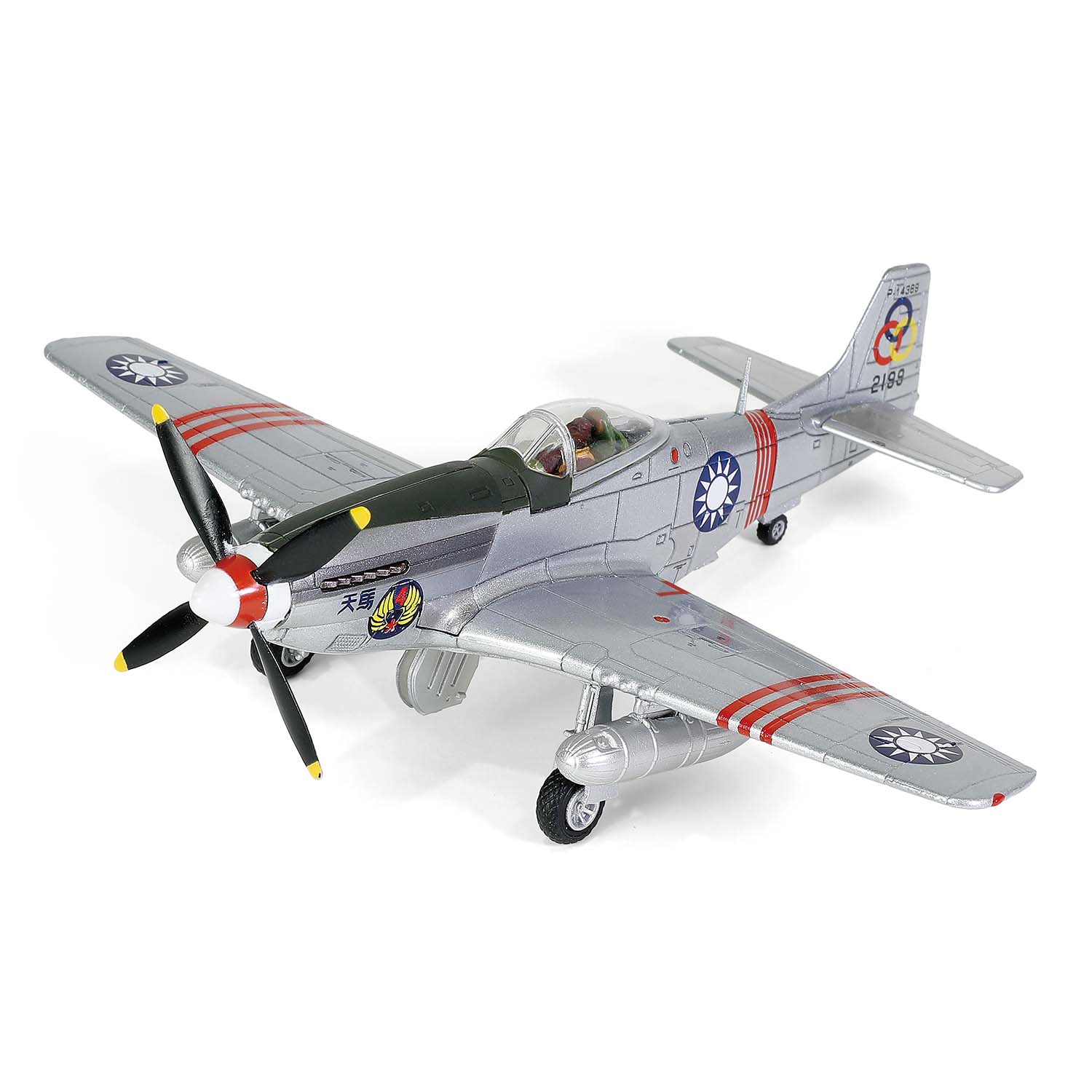
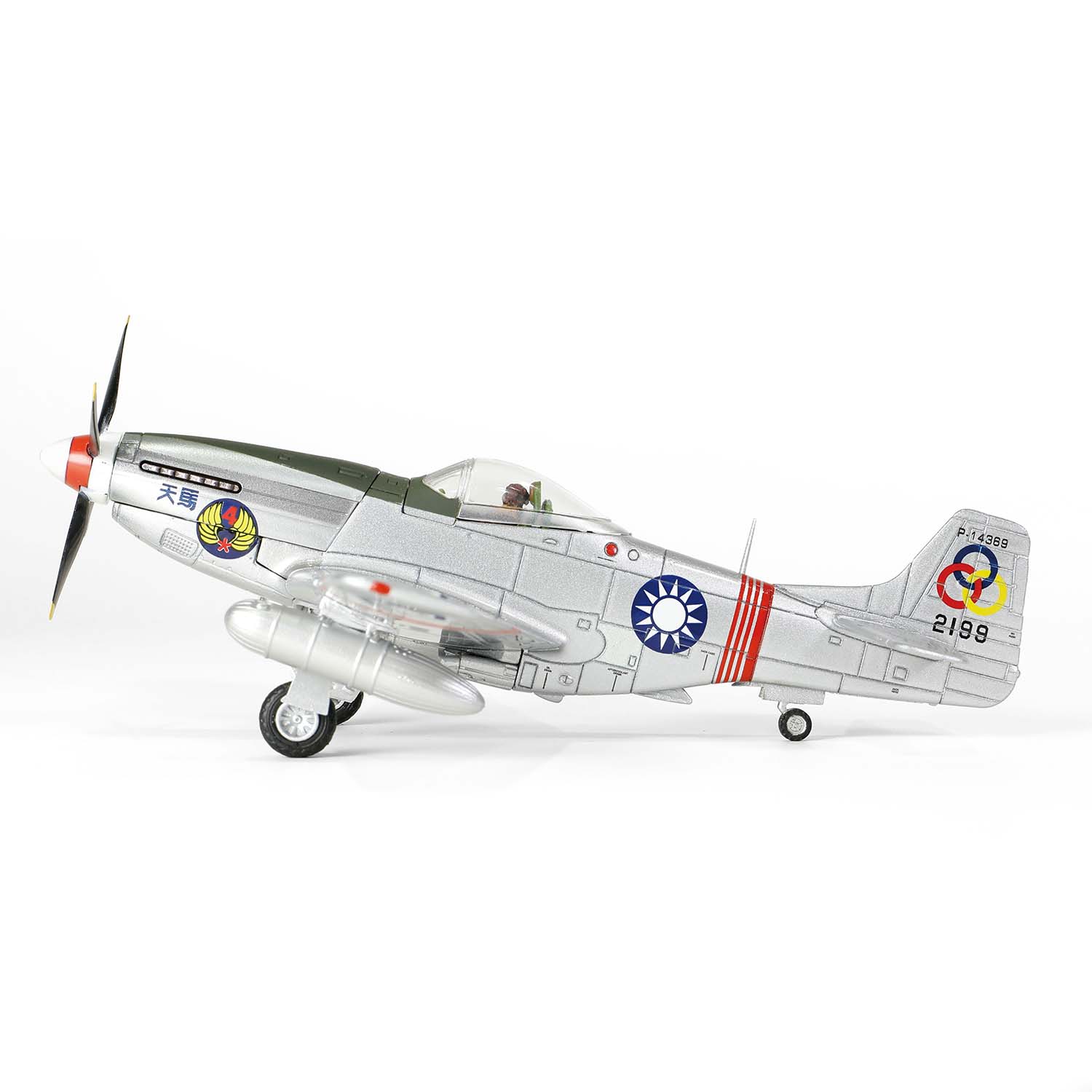
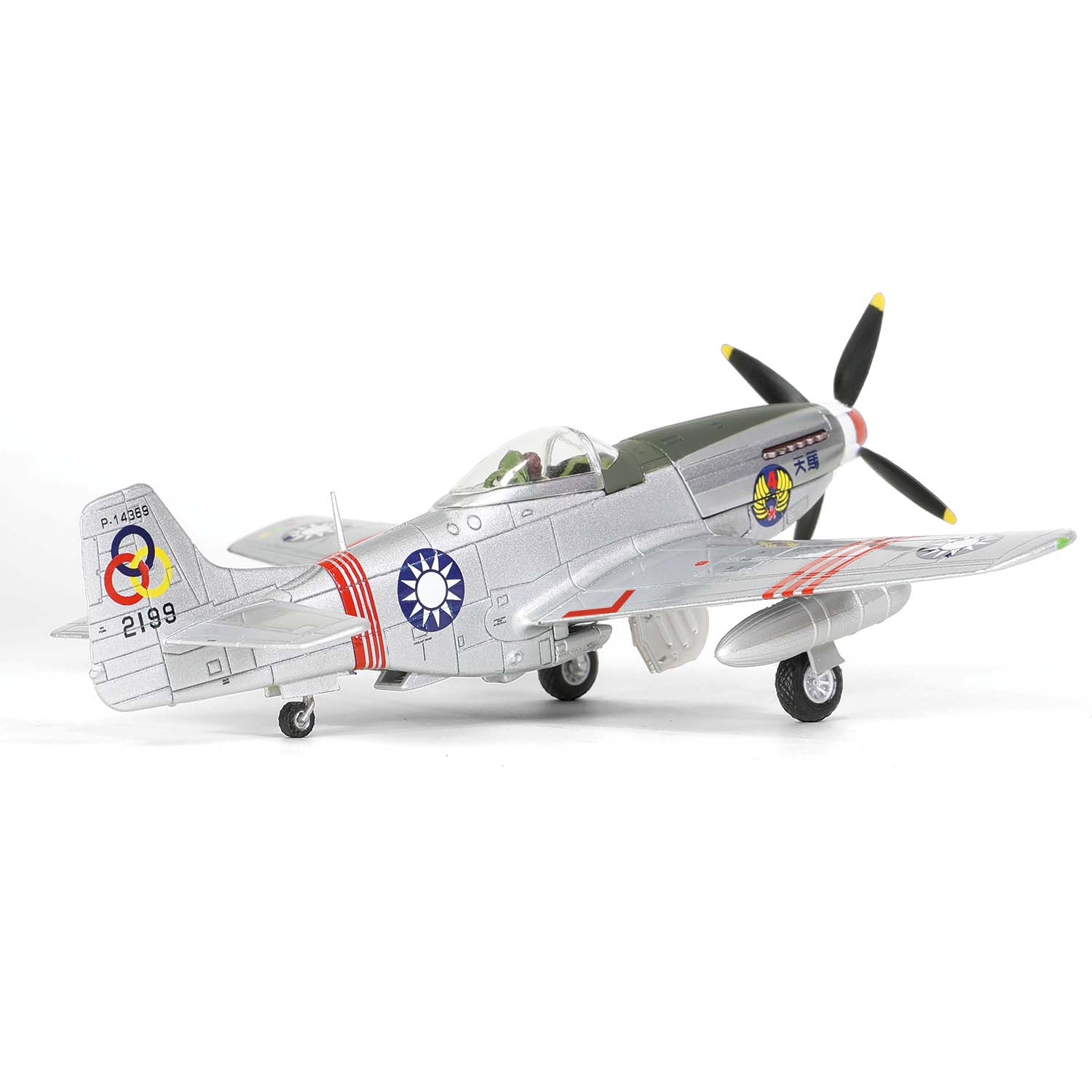
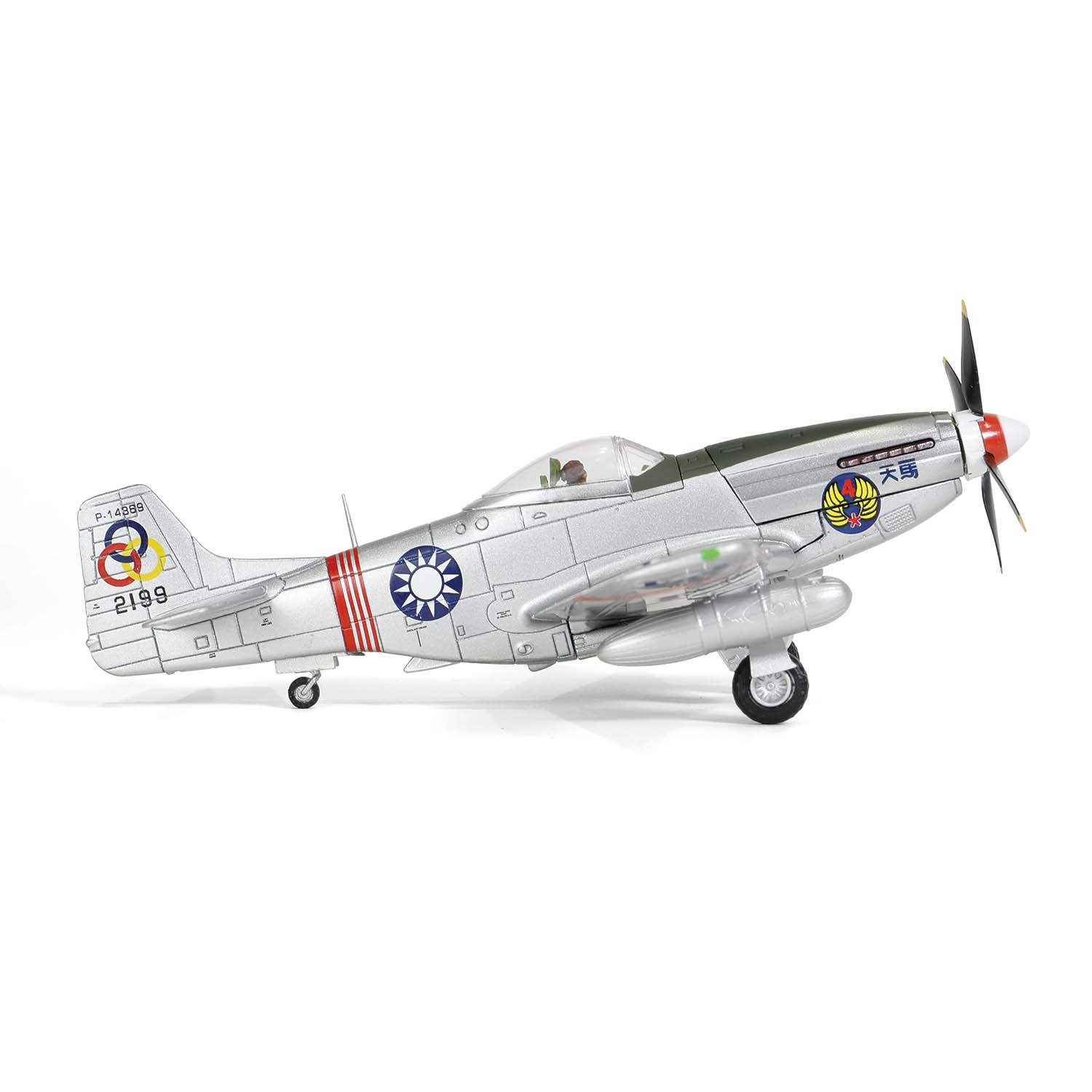
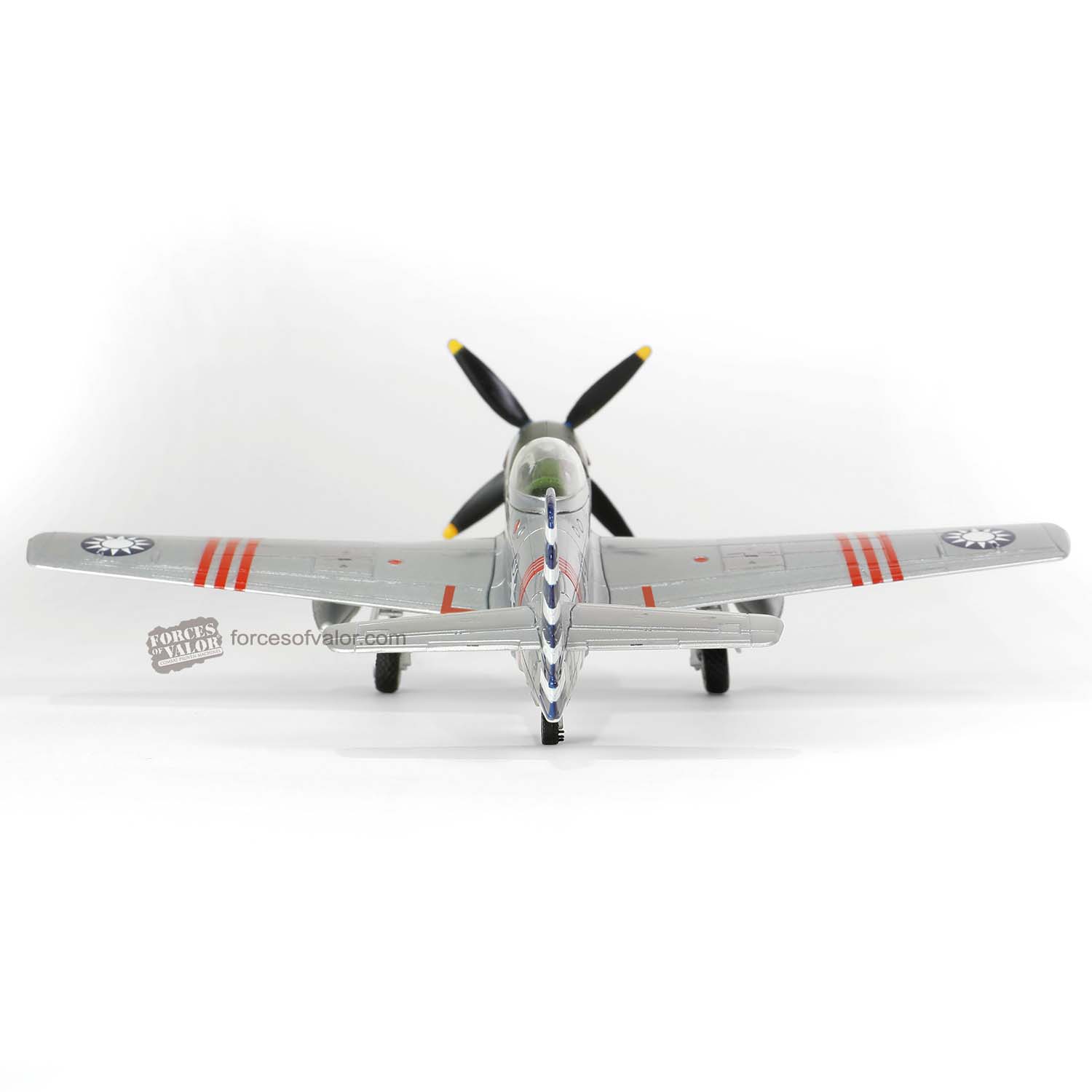
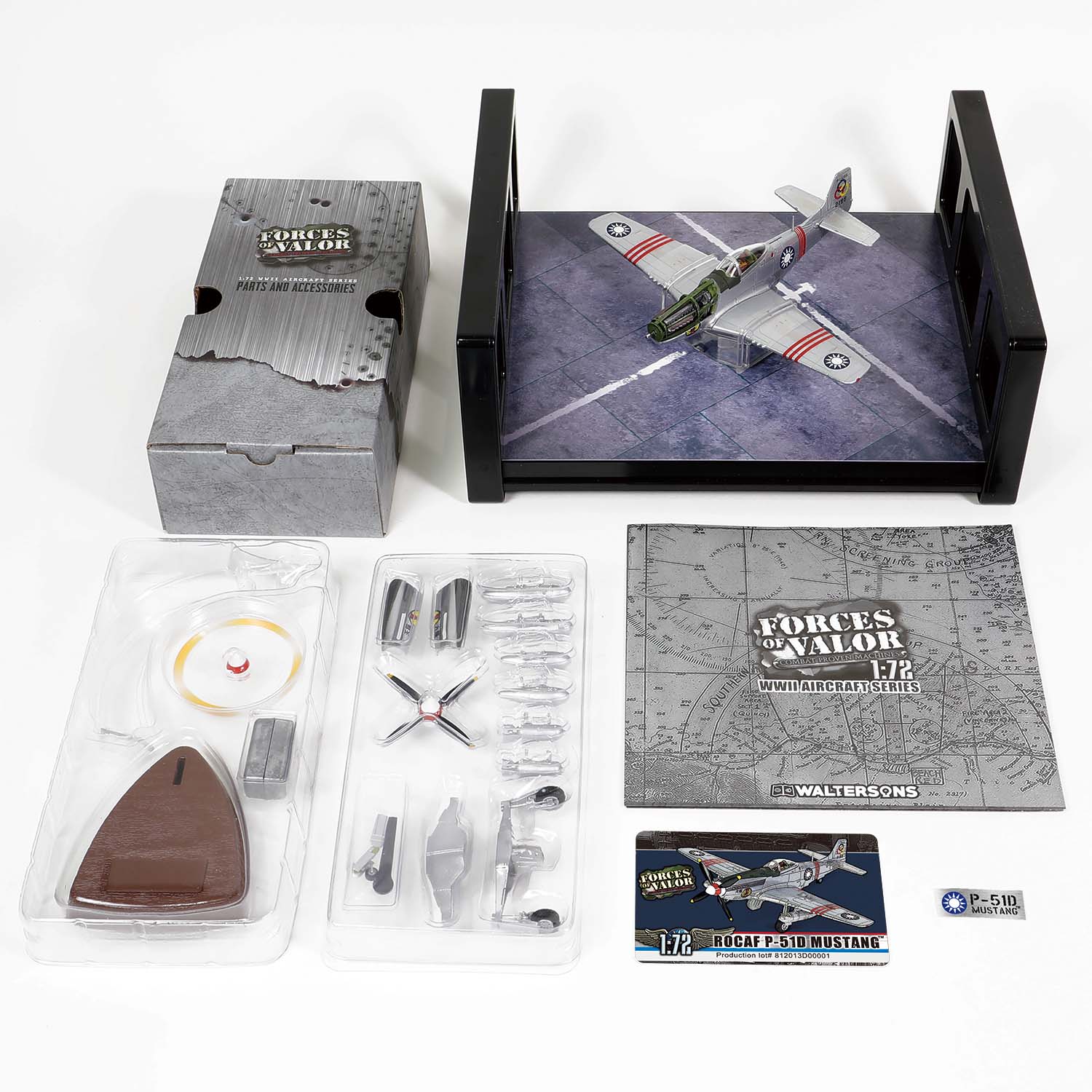
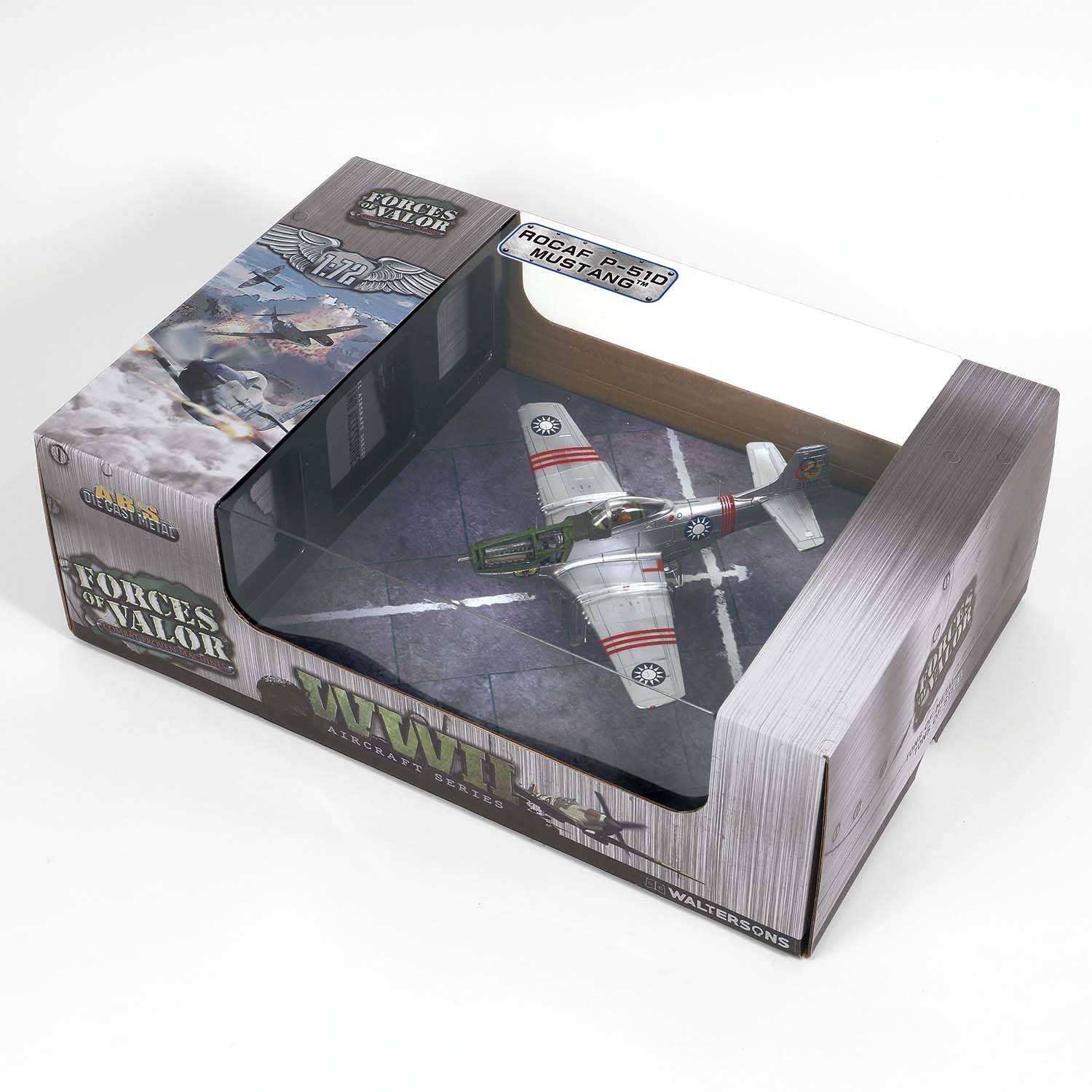
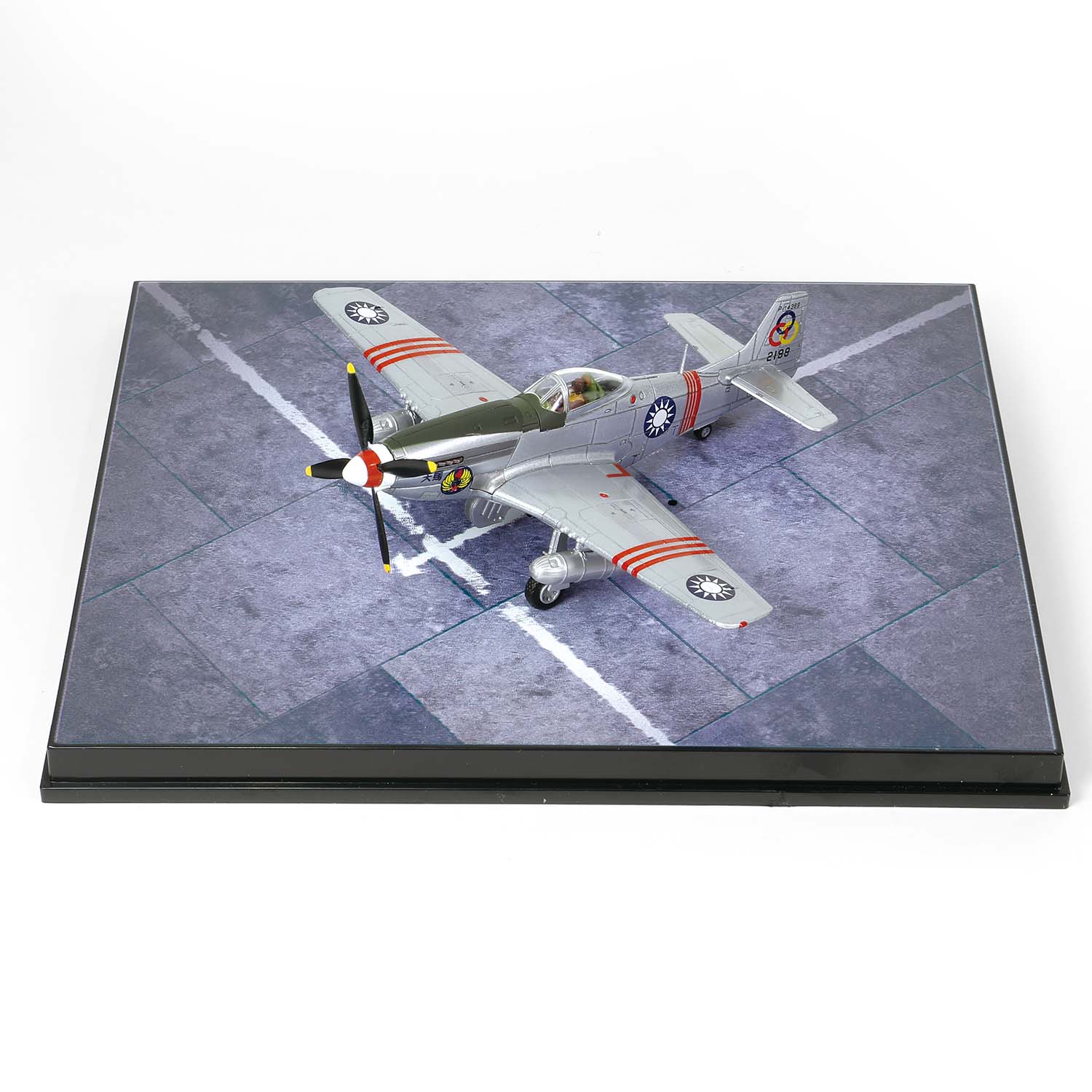
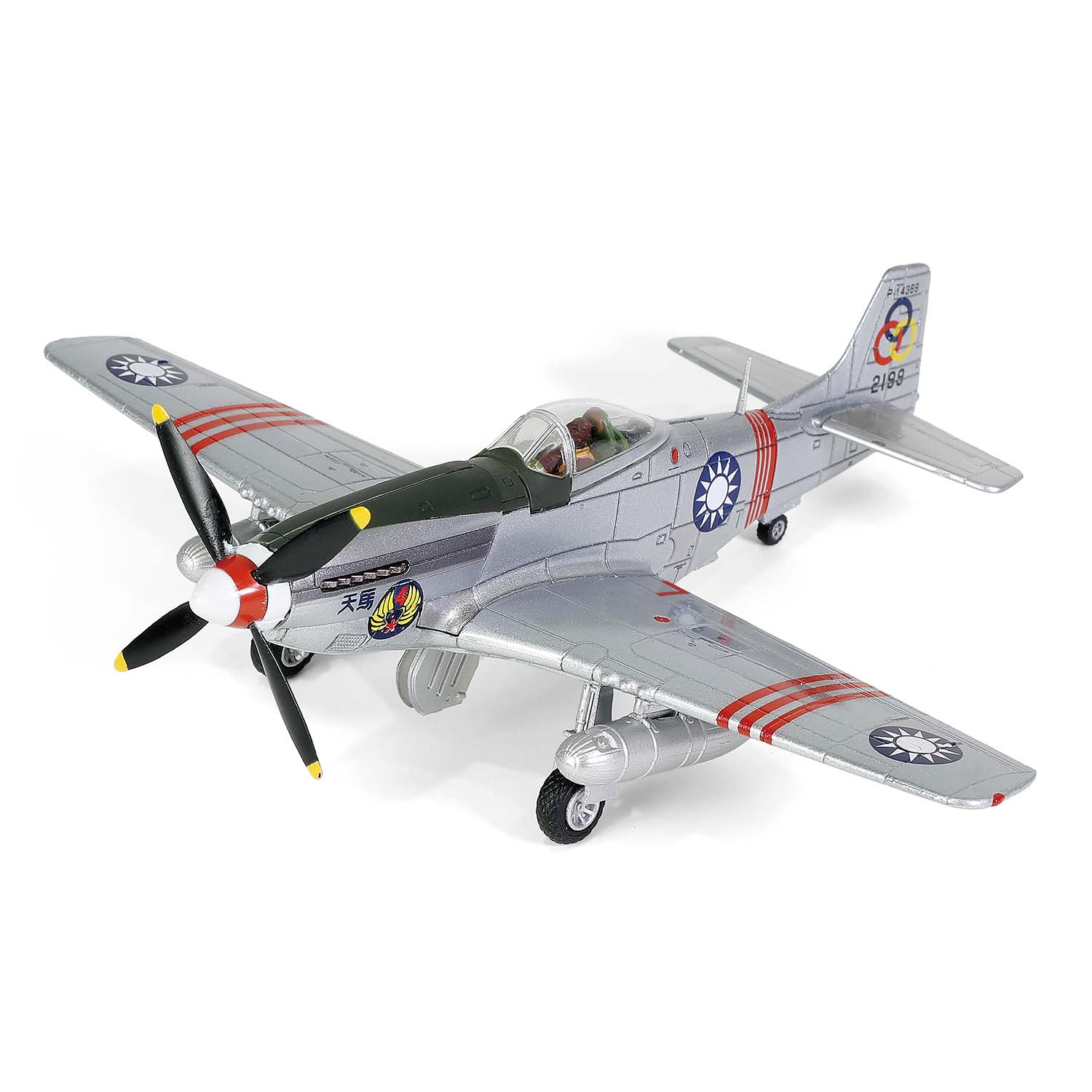
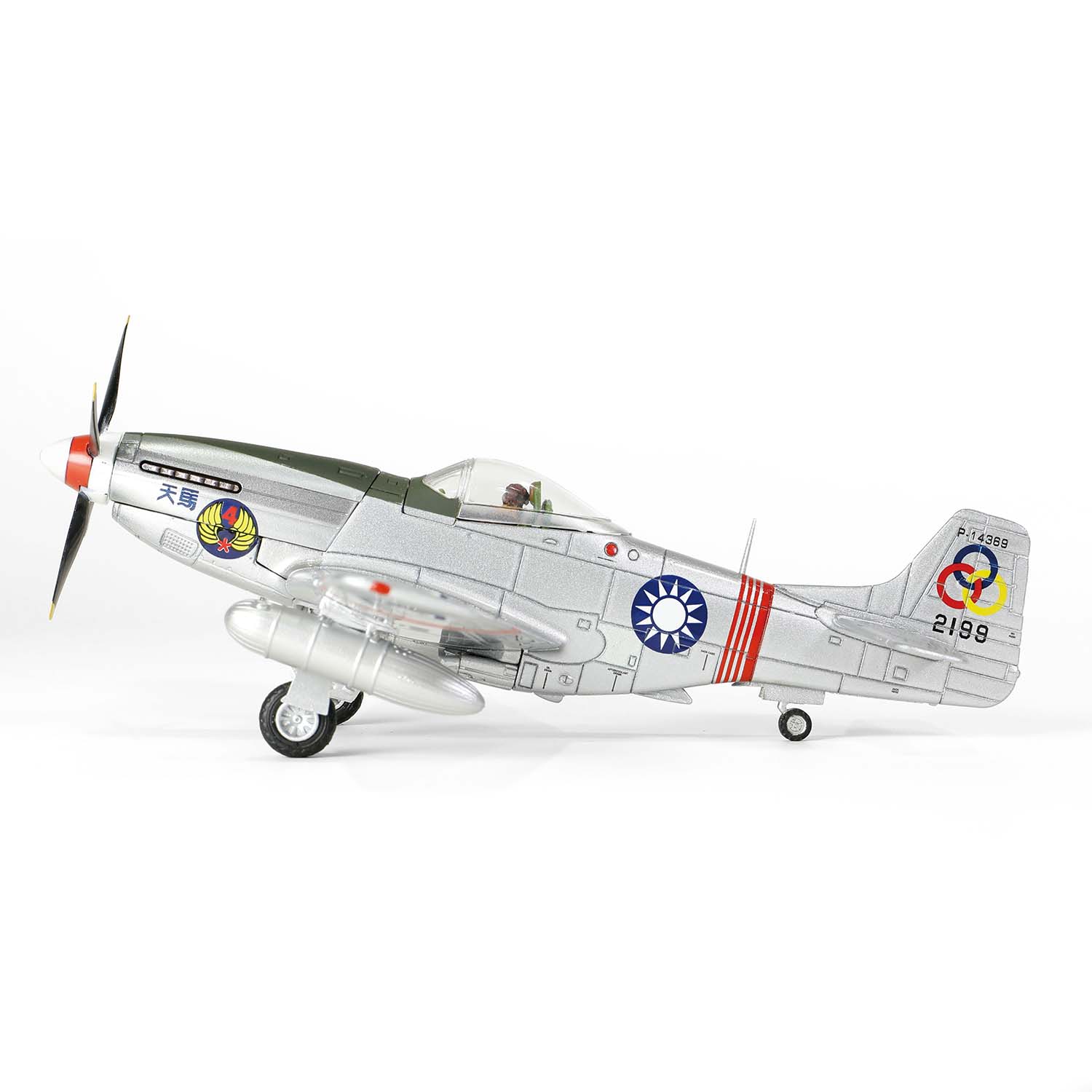
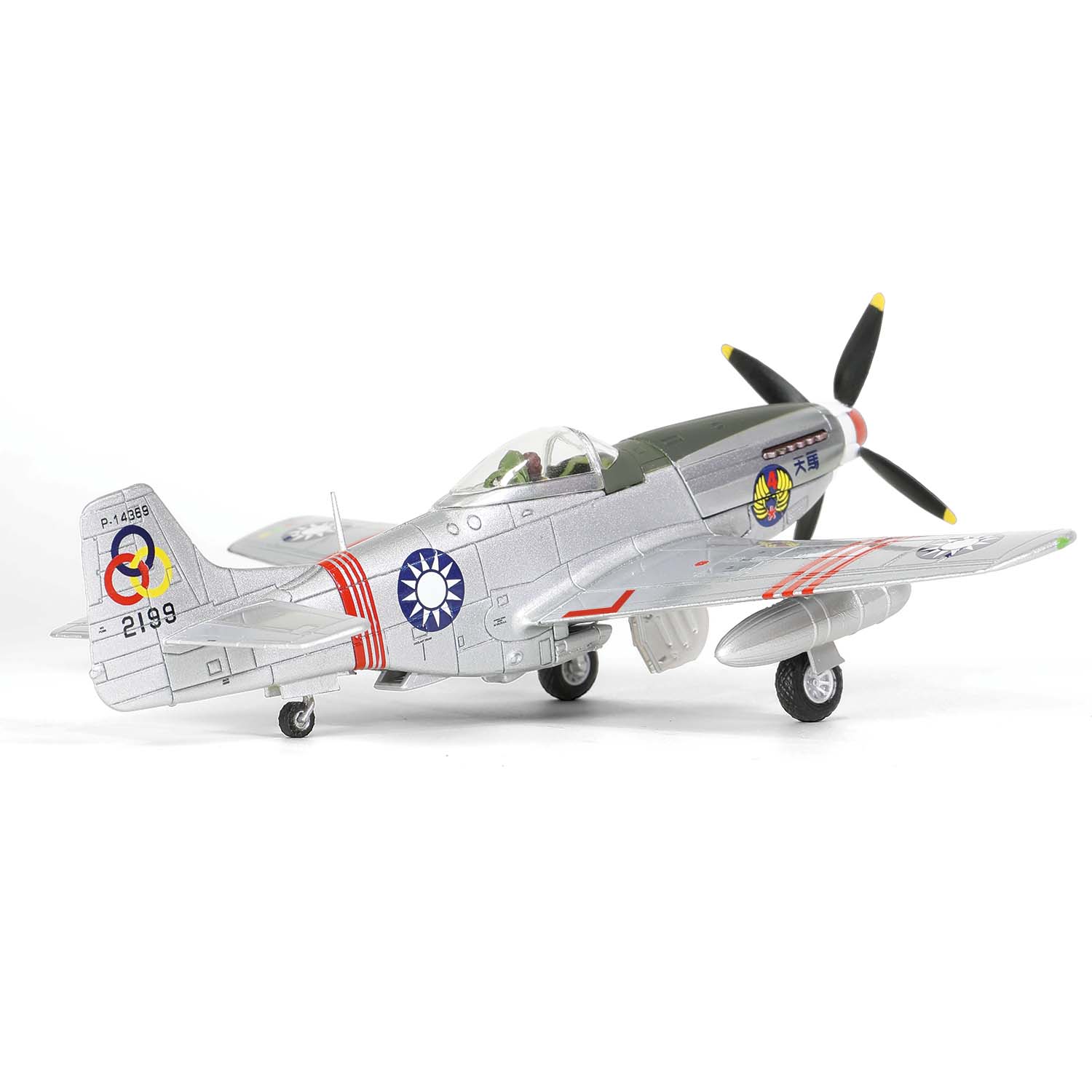
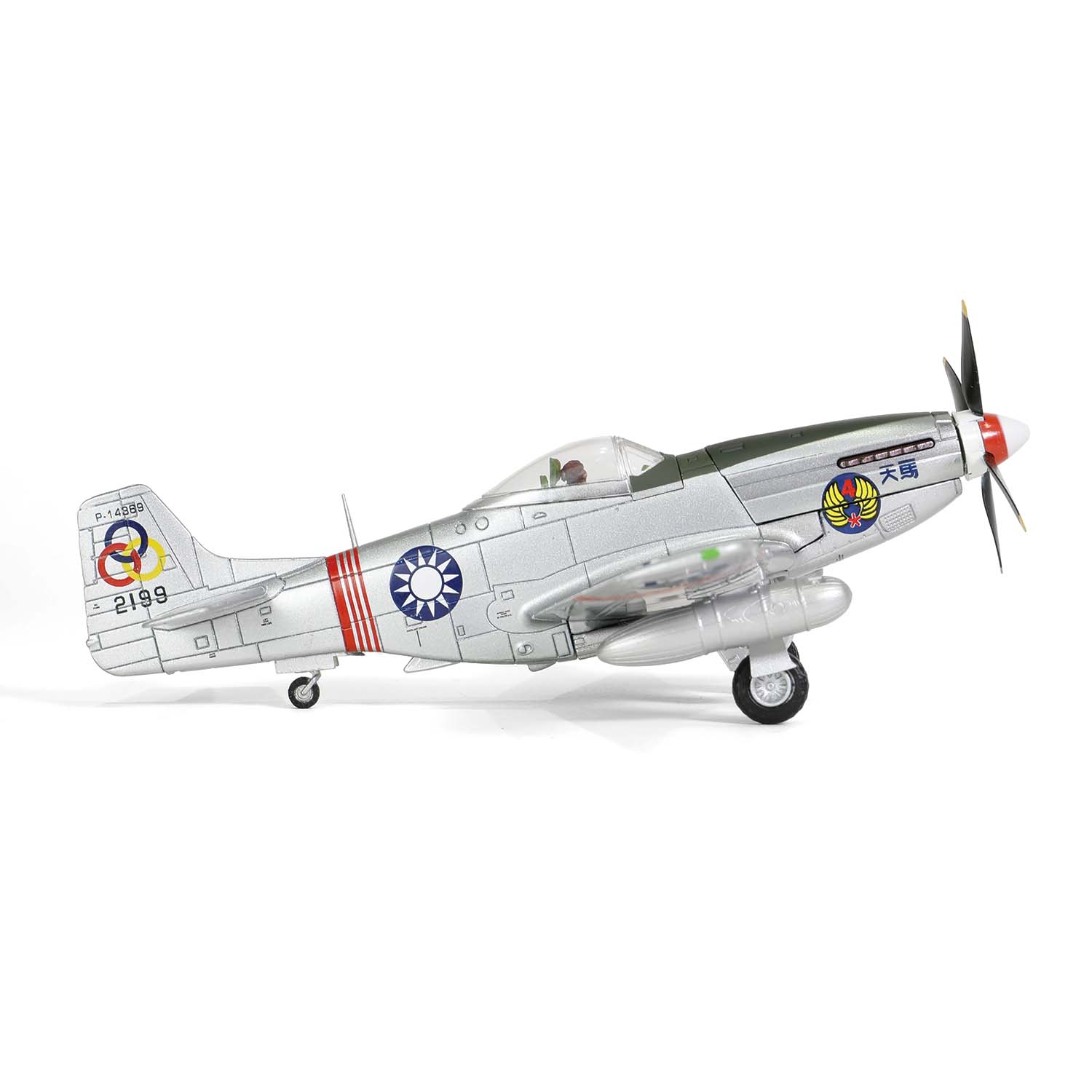
The Legend of the "Mustang"
China Theater Operations
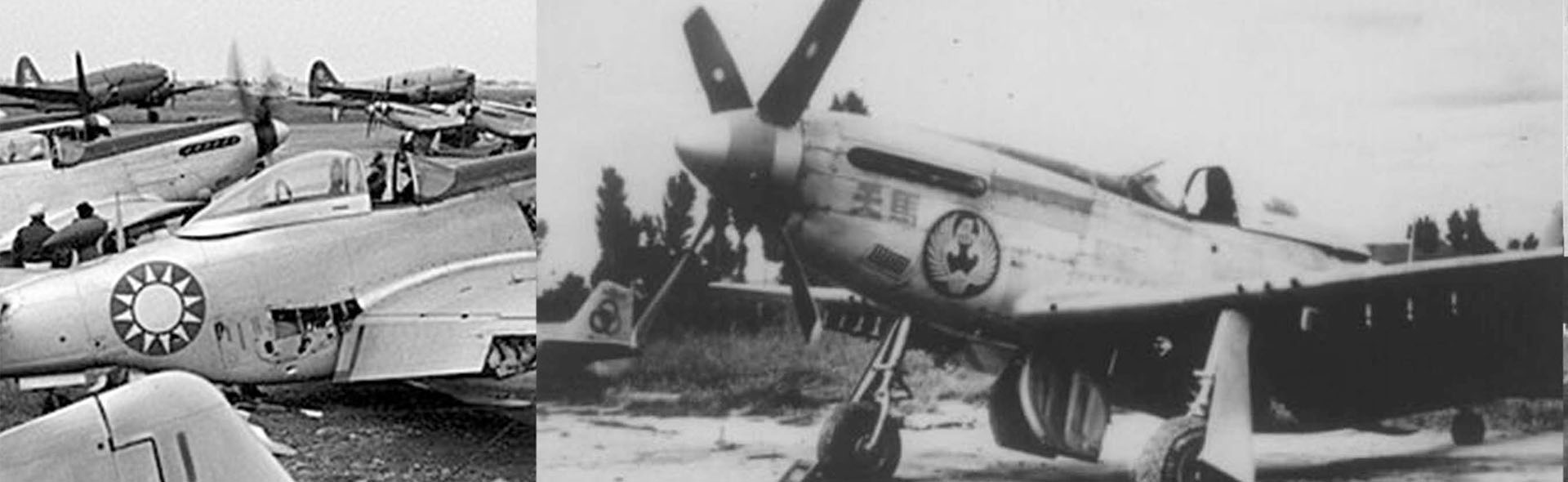
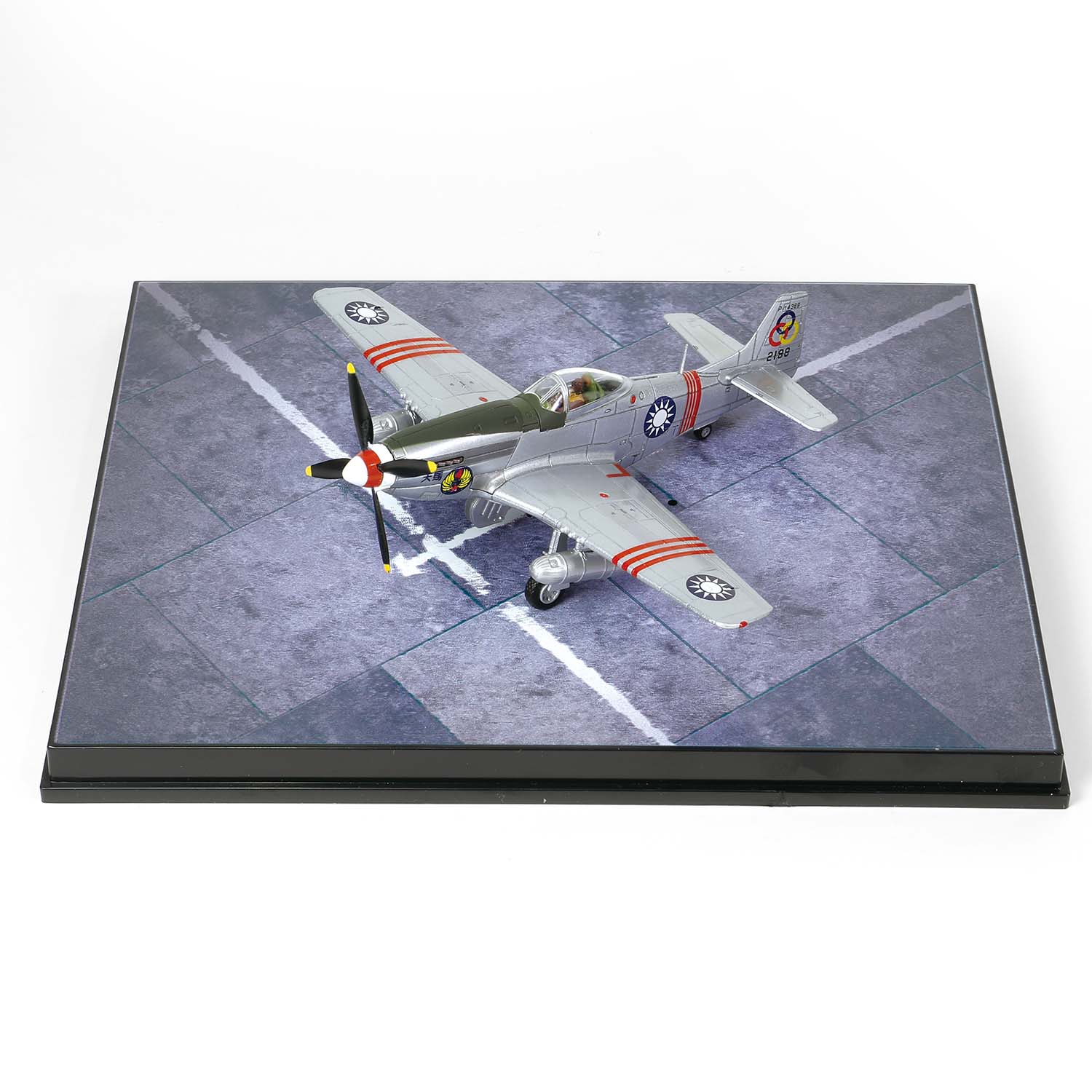
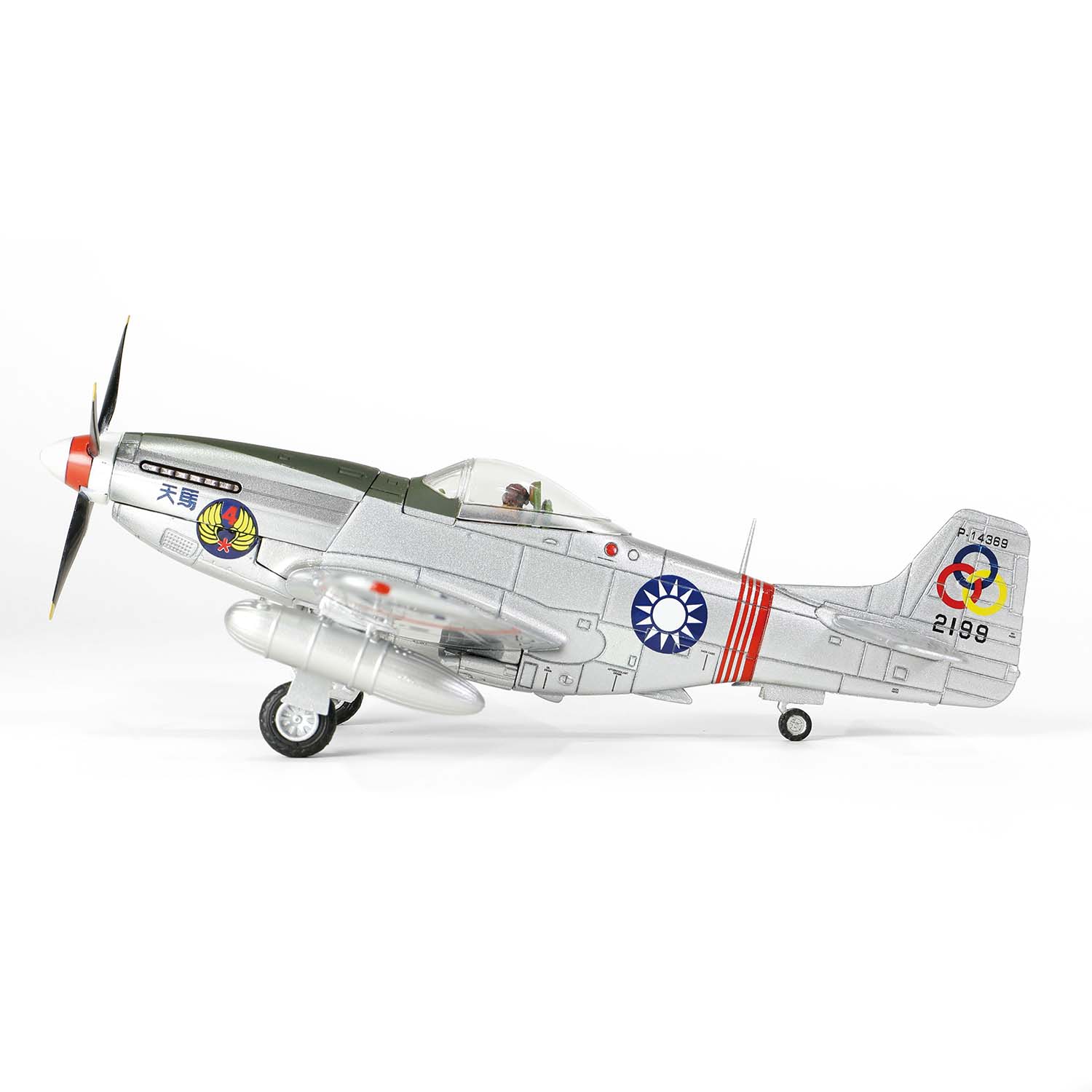
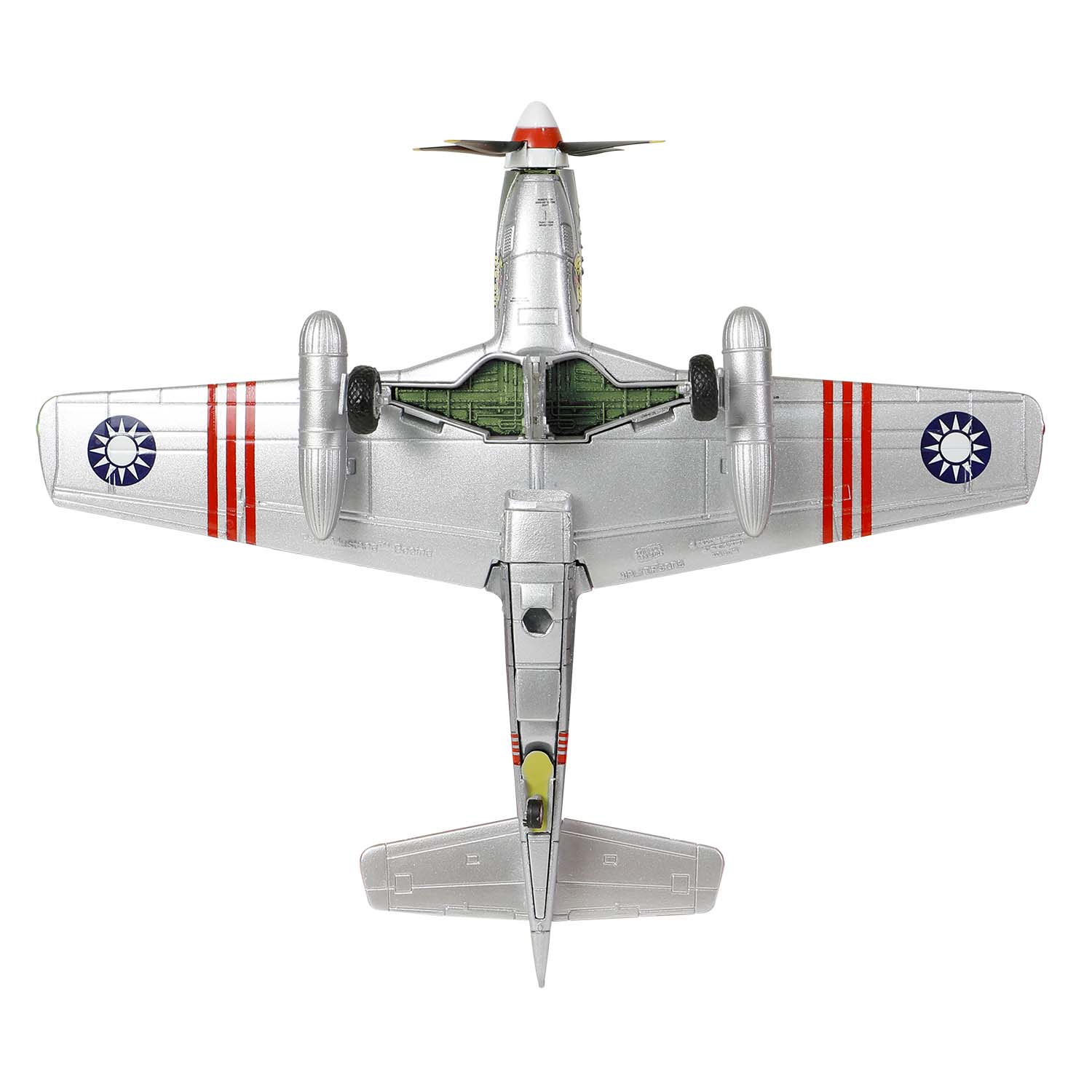
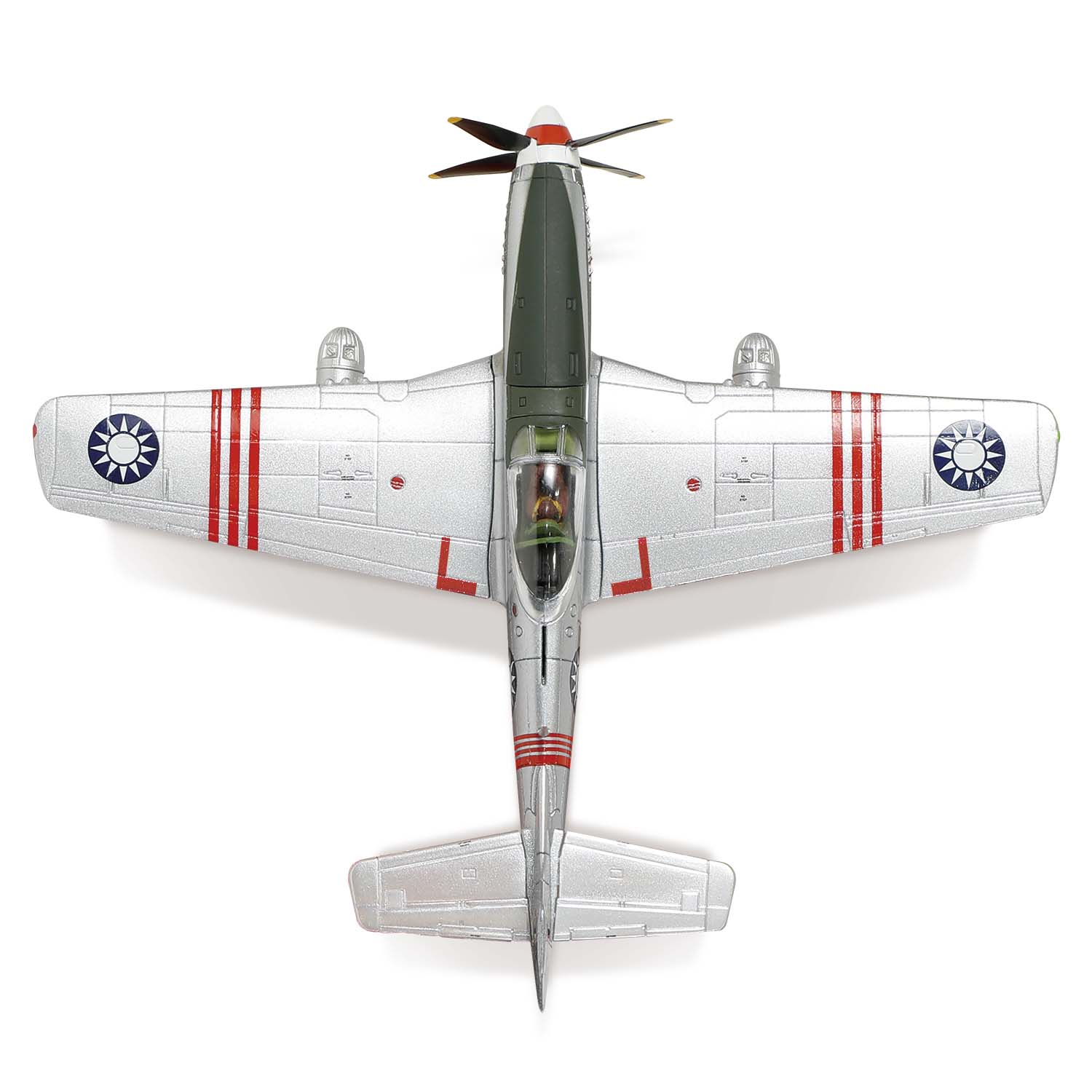
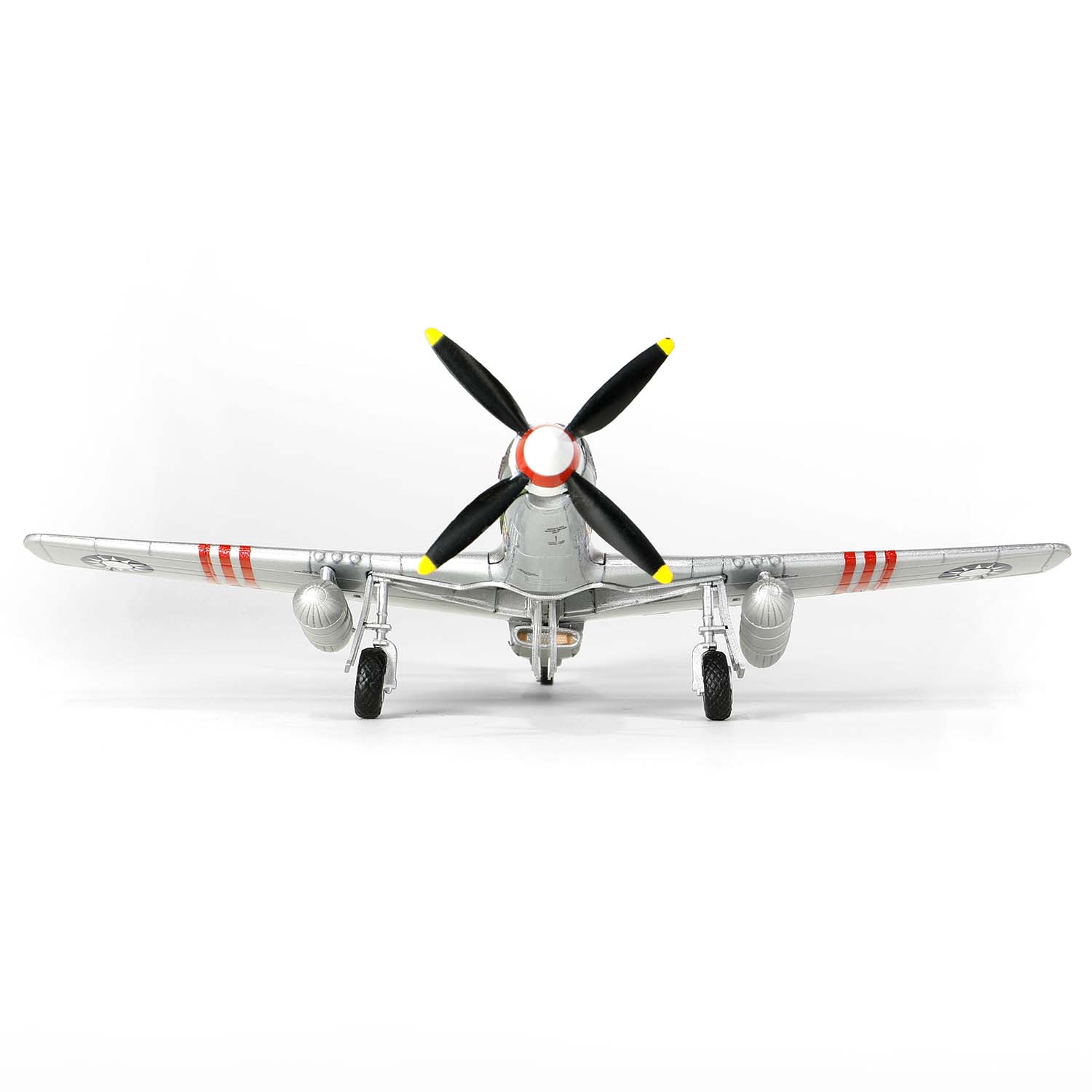
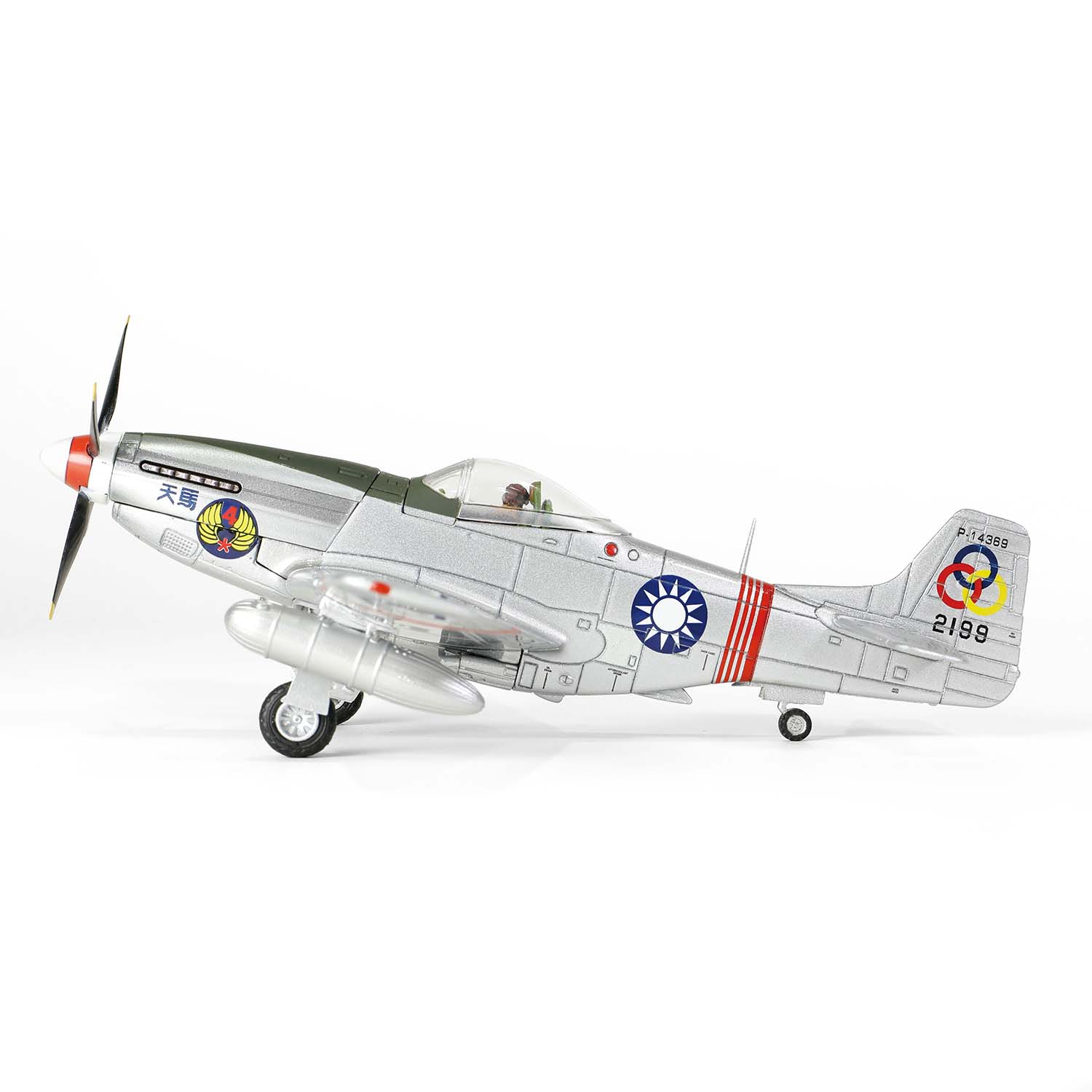
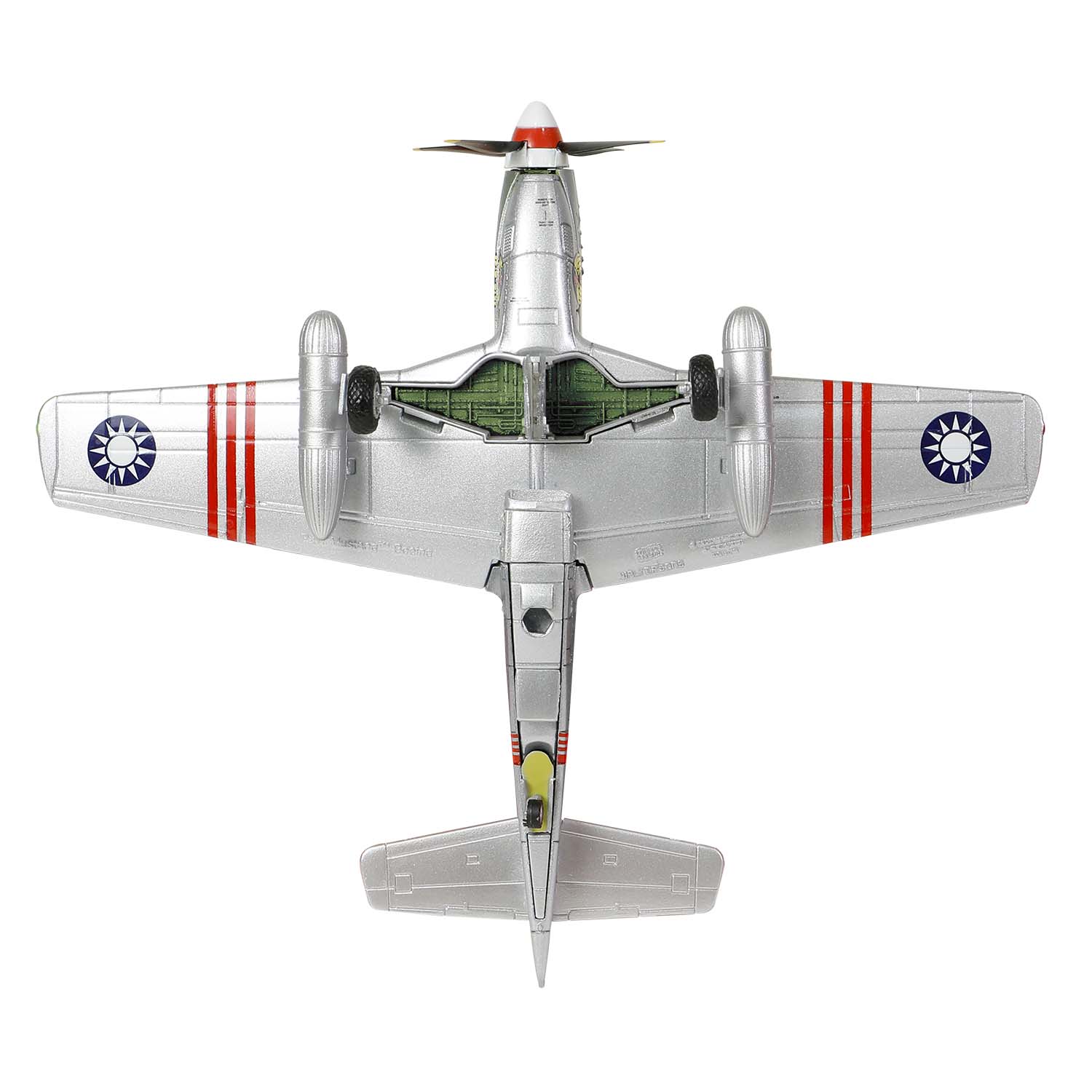
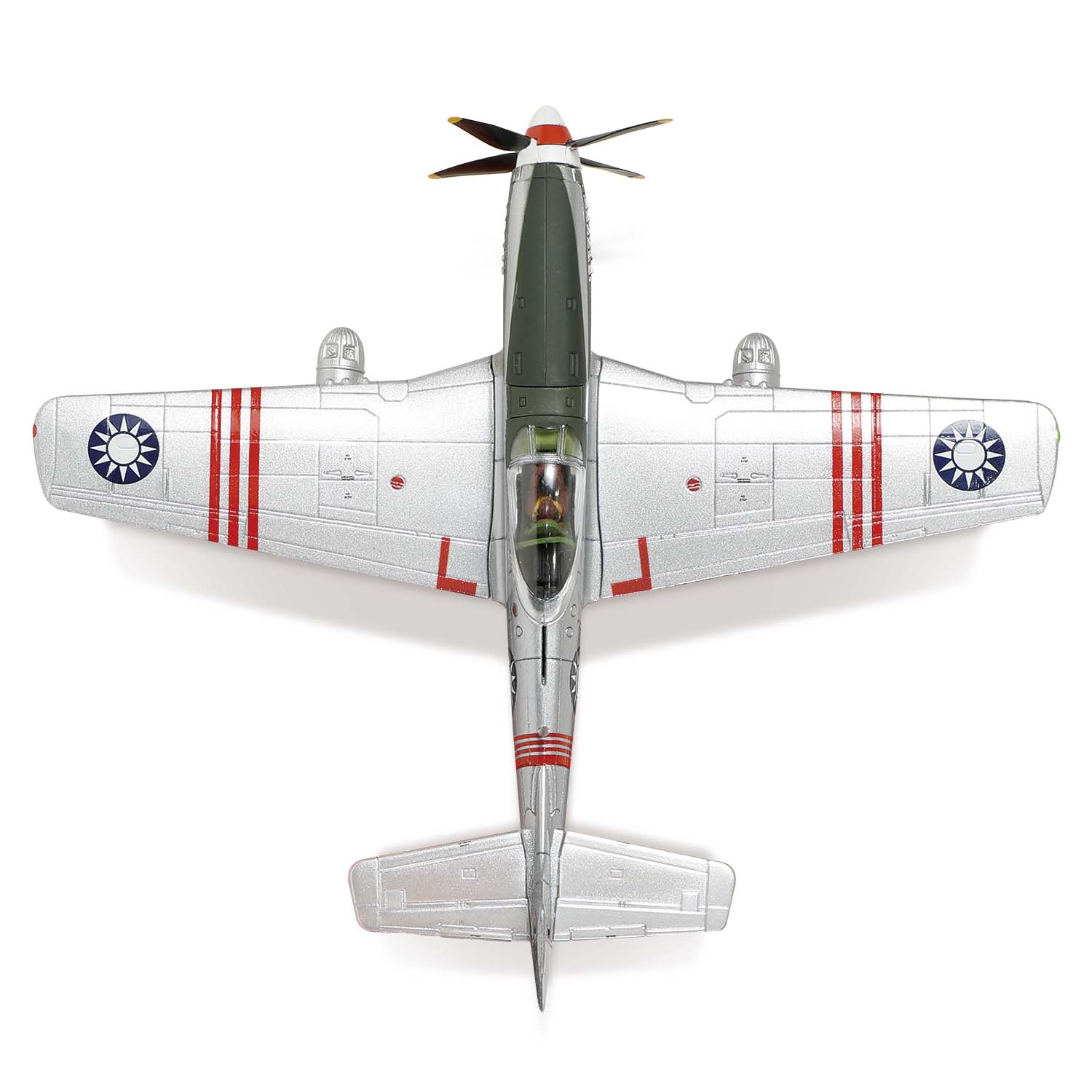
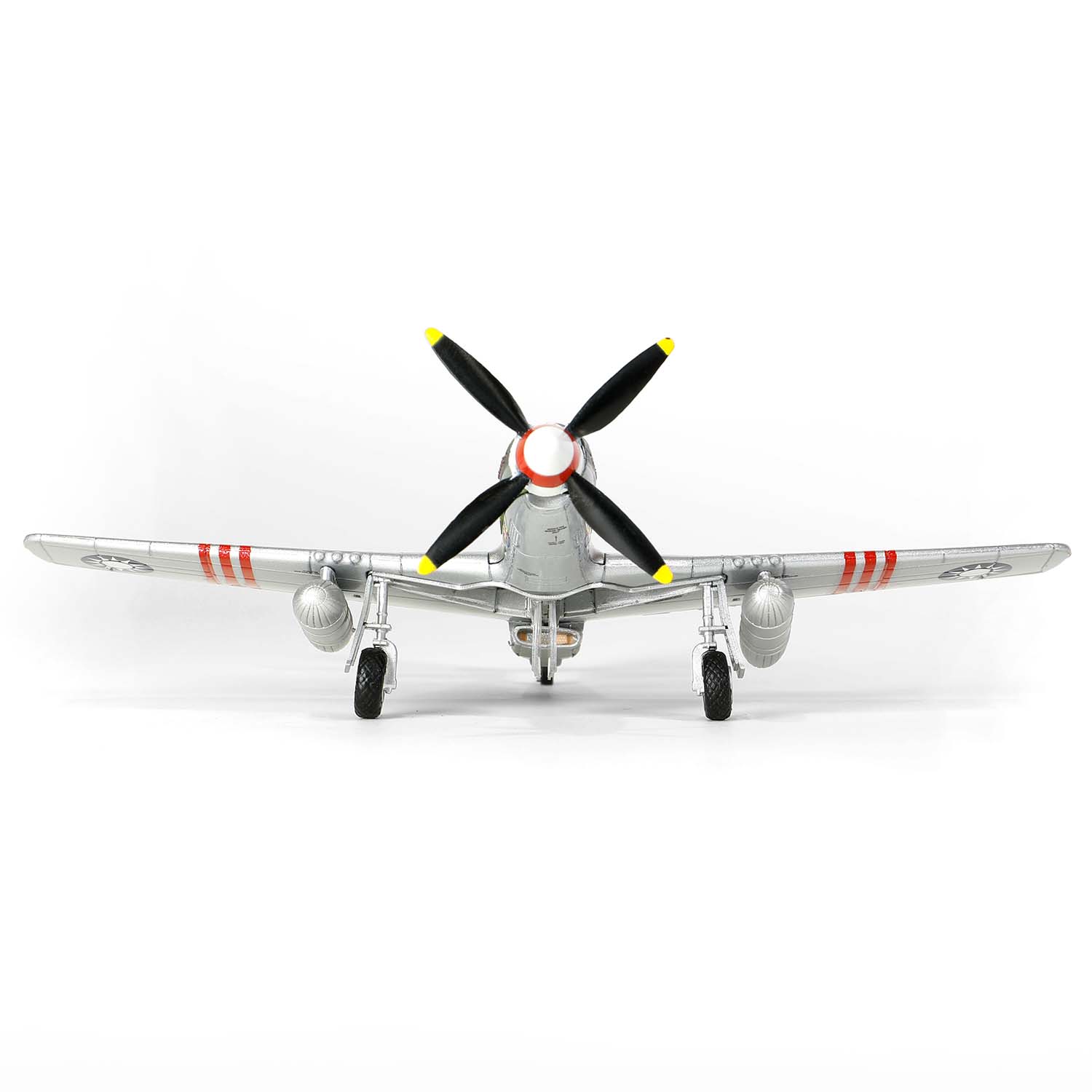
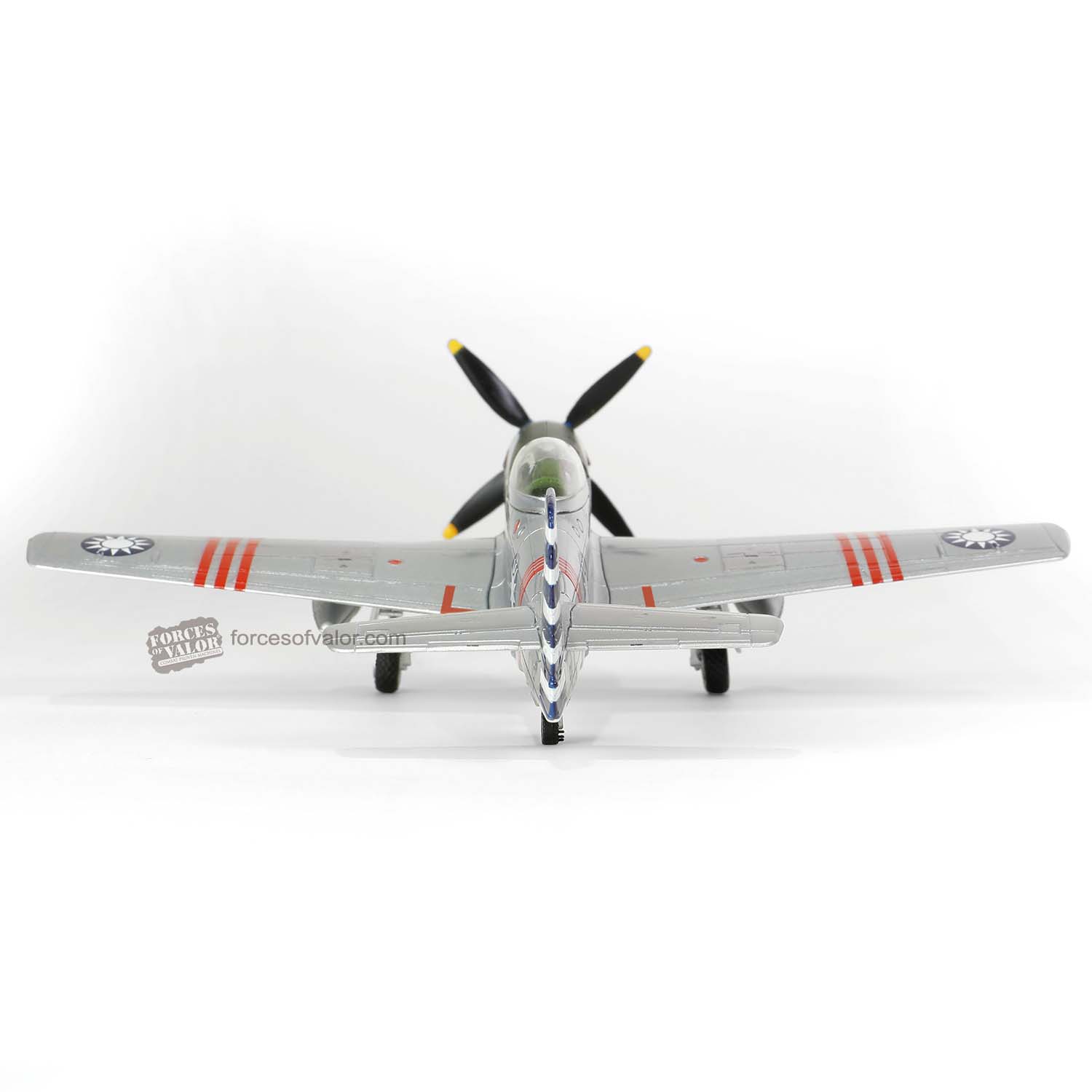
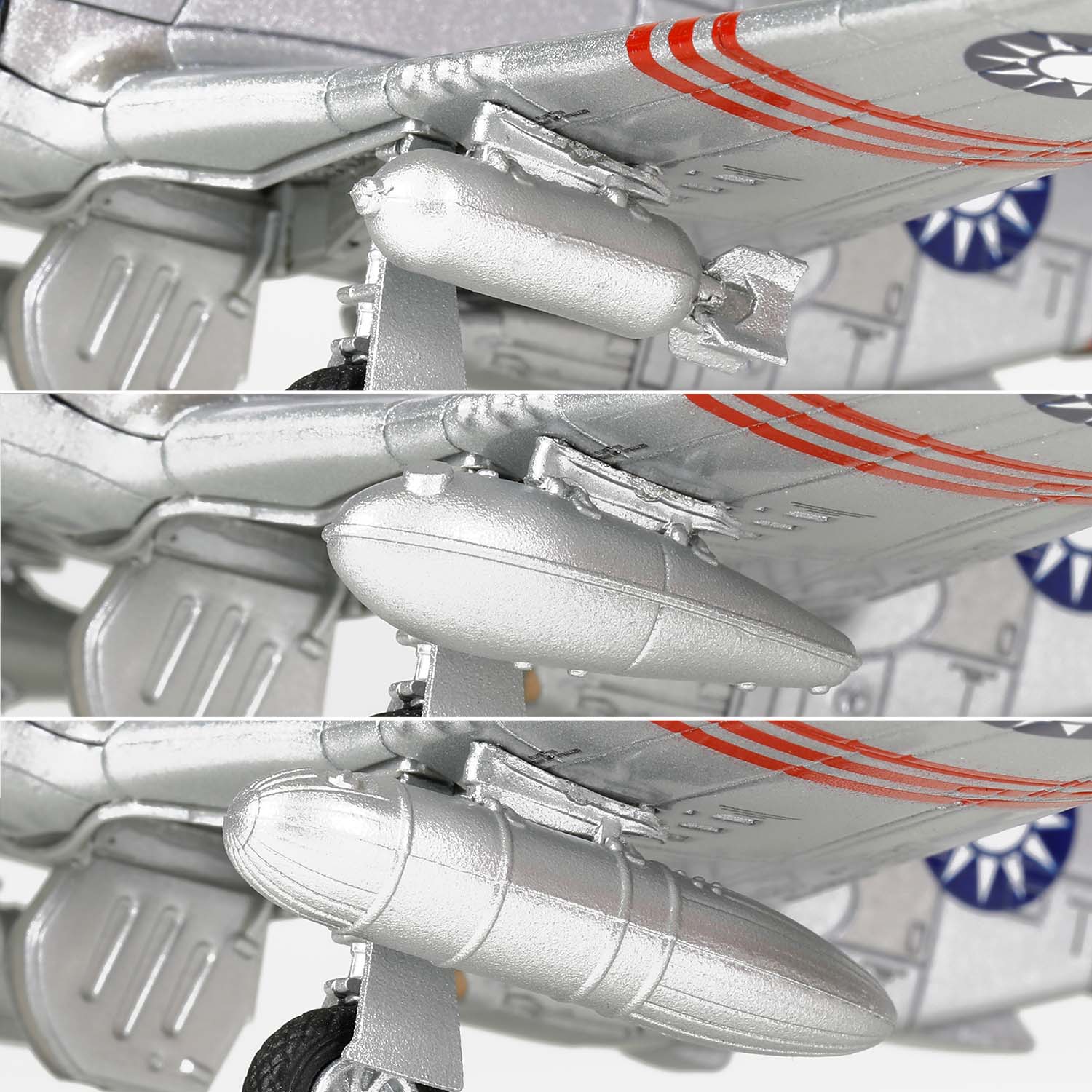
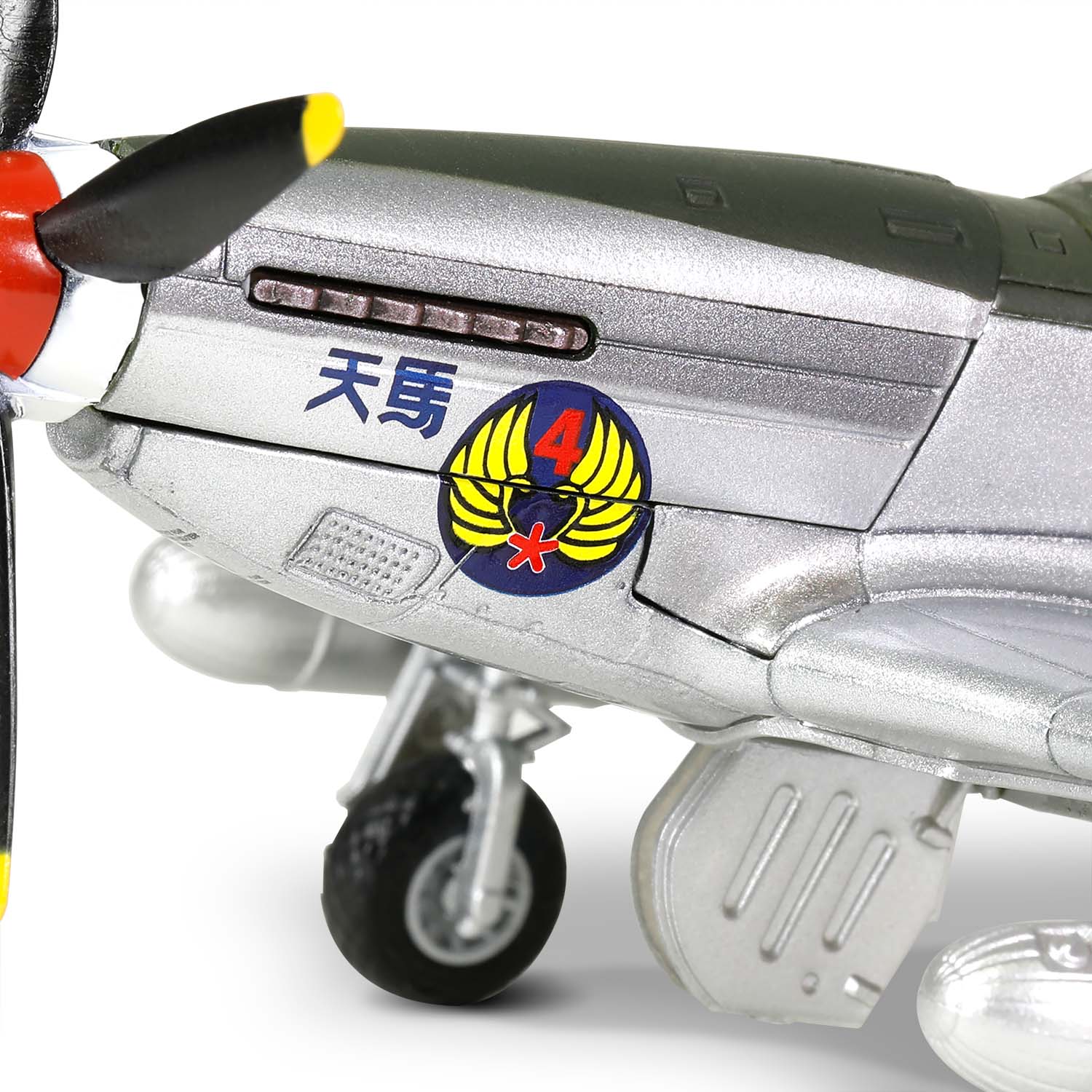
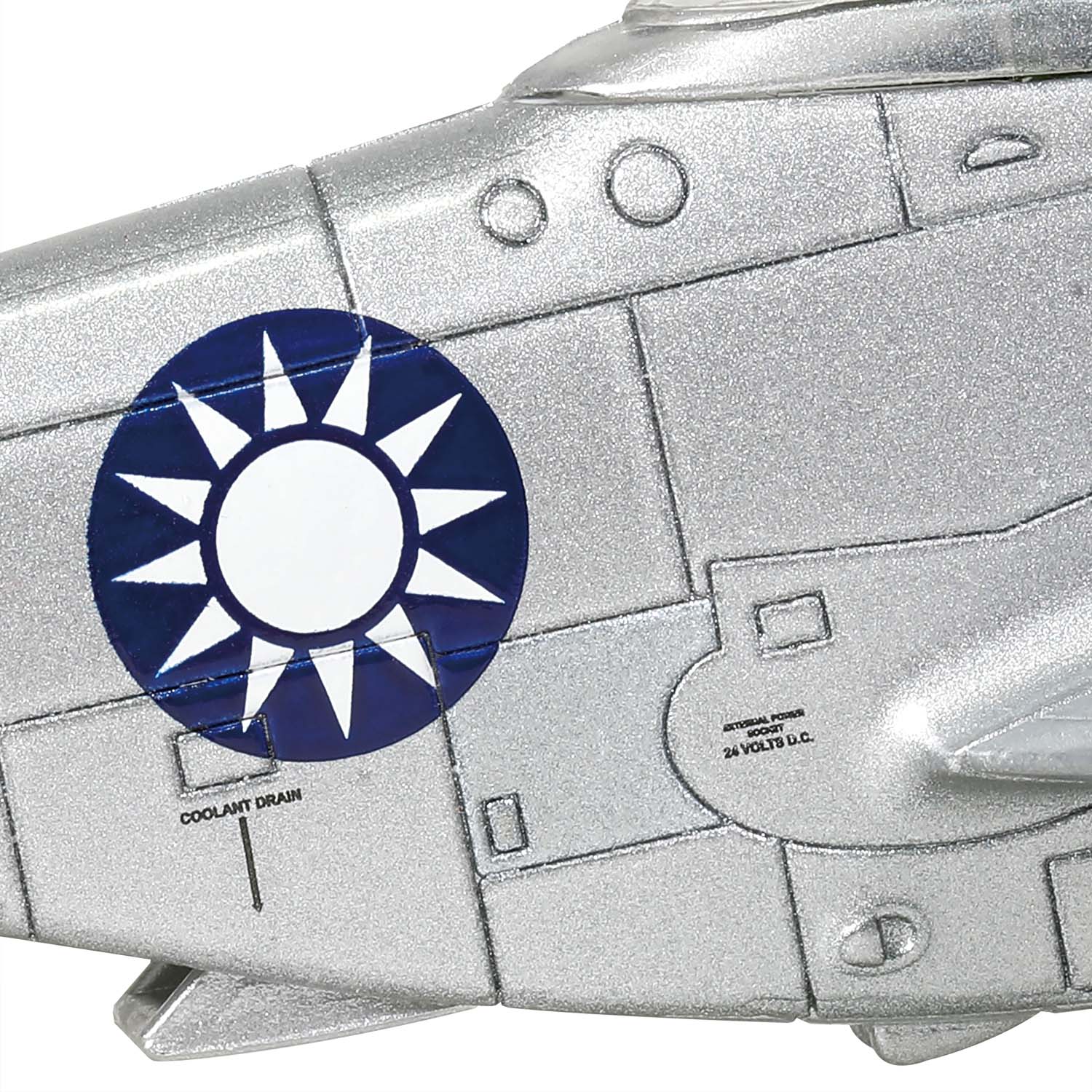
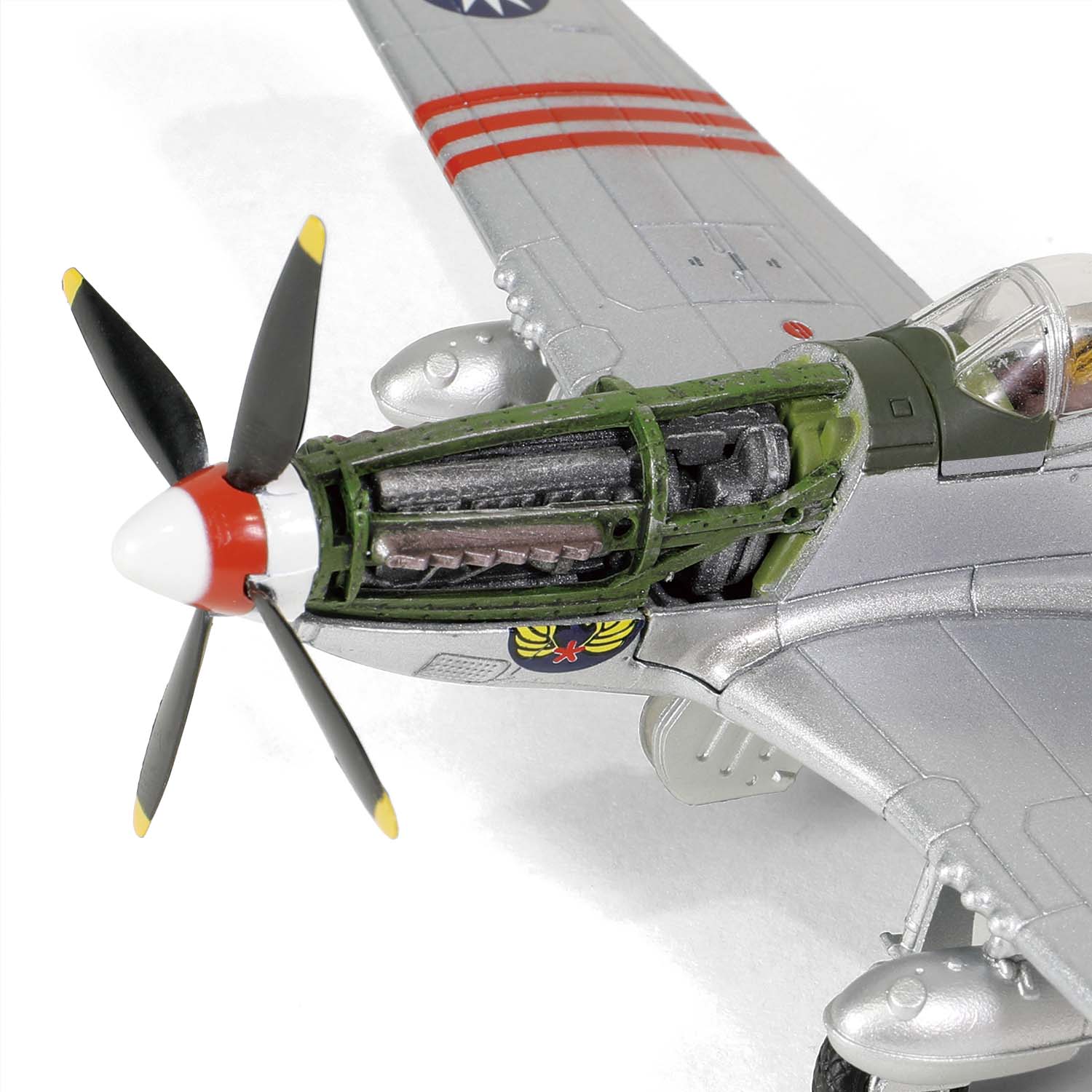
In 1943, the first early-model P-51B Mustangs arrived in Kunming, China, assigned to the American Volunteer Group (AVG, famously known as the "Flying Tigers"). By 1944, the Chinese-American Composite Wing (CACW) of the 14th Air Force also began operating P-51Bs, followed by large-scale deliveries of P-51Cs to the Chinese Air Force in 1945.
With the Mustang's arrival, Sino-American forces gradually seized air superiority over China. Japanese aircraft stood little chance - none could match the P-51's performance. In desperation, the Imperial Japanese Army Air Service (IJAAS) deployed their newest fighter, the Nakajima Ki-84 "Hayate", to counter the Mustang. While the Ki-84 was capable of engaging the P-51 on equal terms, its limited numbers proved fatal. Despite briefly holding the line, the Hayate was ultimately overwhelmed by the Mustang's sheer numerical and qualitative dominance.
The Last Dogfight: May 31, 1945 (Nanjing Skies)
-
16 Chinese P-51s vs. 30 Japanese Kawasaki Ki-61 "Hien"
-
The Mustangs exploited their superior speed and high-altitude advantage, diving relentlessly on the Japanese formation.
-
The battle turned into a one-sided aerial massacre, with the Chinese Air Force achieving a decisive victory despite being outnumbered.
Global Combat Legacy
The P-51 Mustang stands as one of the greatest piston-engine fighters of WWII and a symbol of Allied air supremacy. Its unmatched record includes:
✔ 4,950 aerial victories (48.9% of all USAAF kills in Europe)
✔ 4,131 ground targets destroyed
✔ 230+ V-1 flying bombs intercepted
✔ Even shooting down Germany's elite Me 262 jet fighters