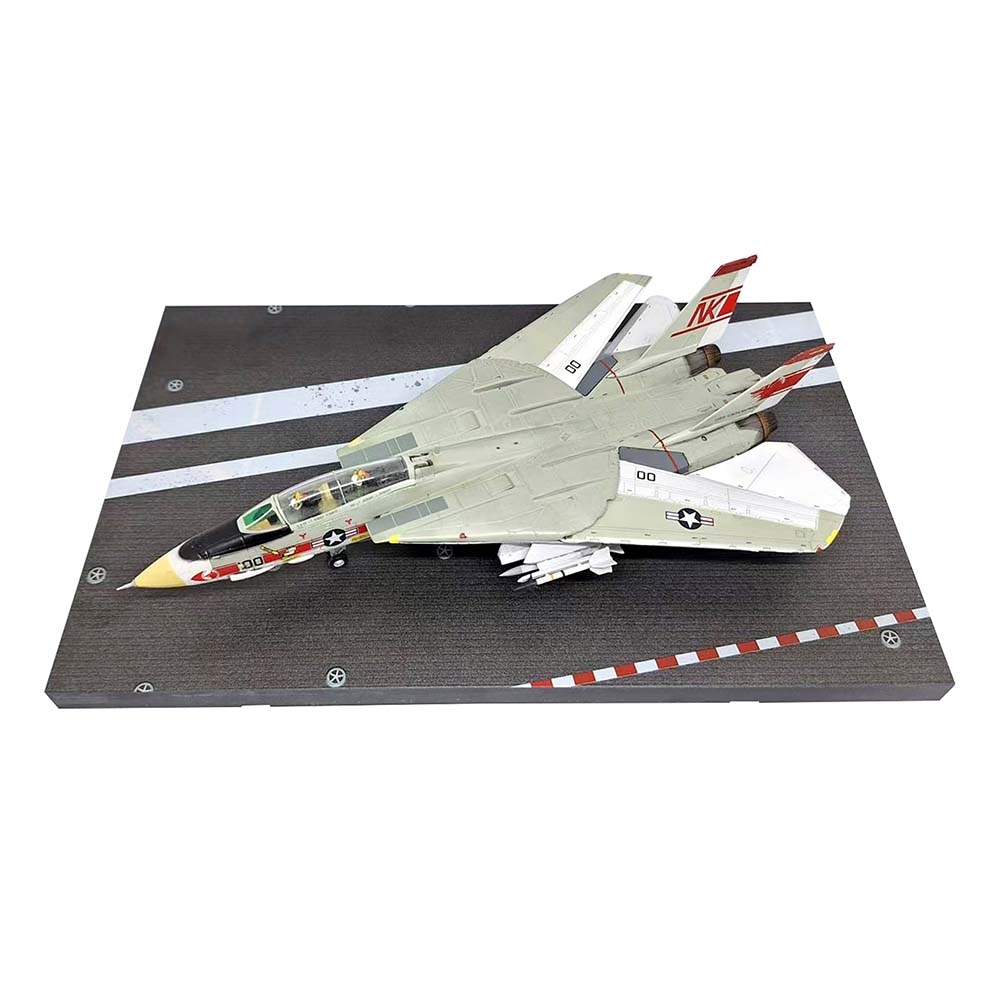
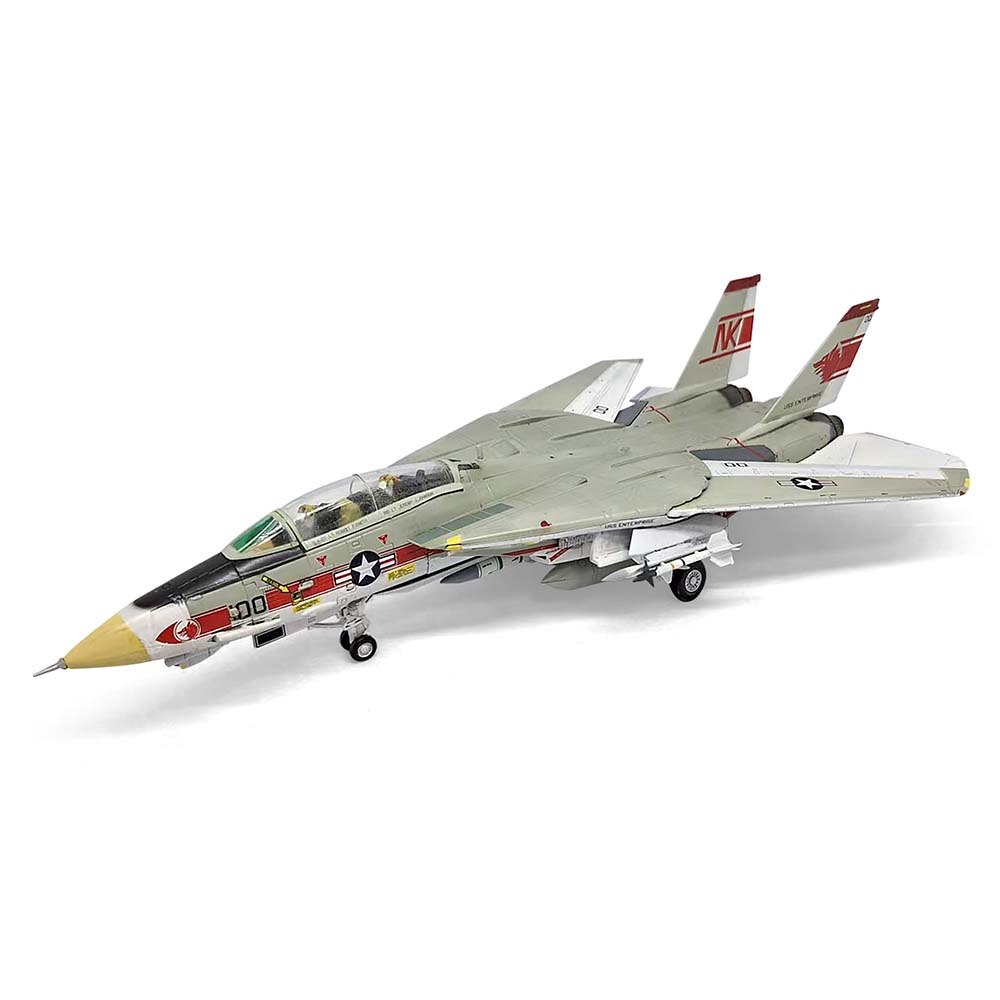
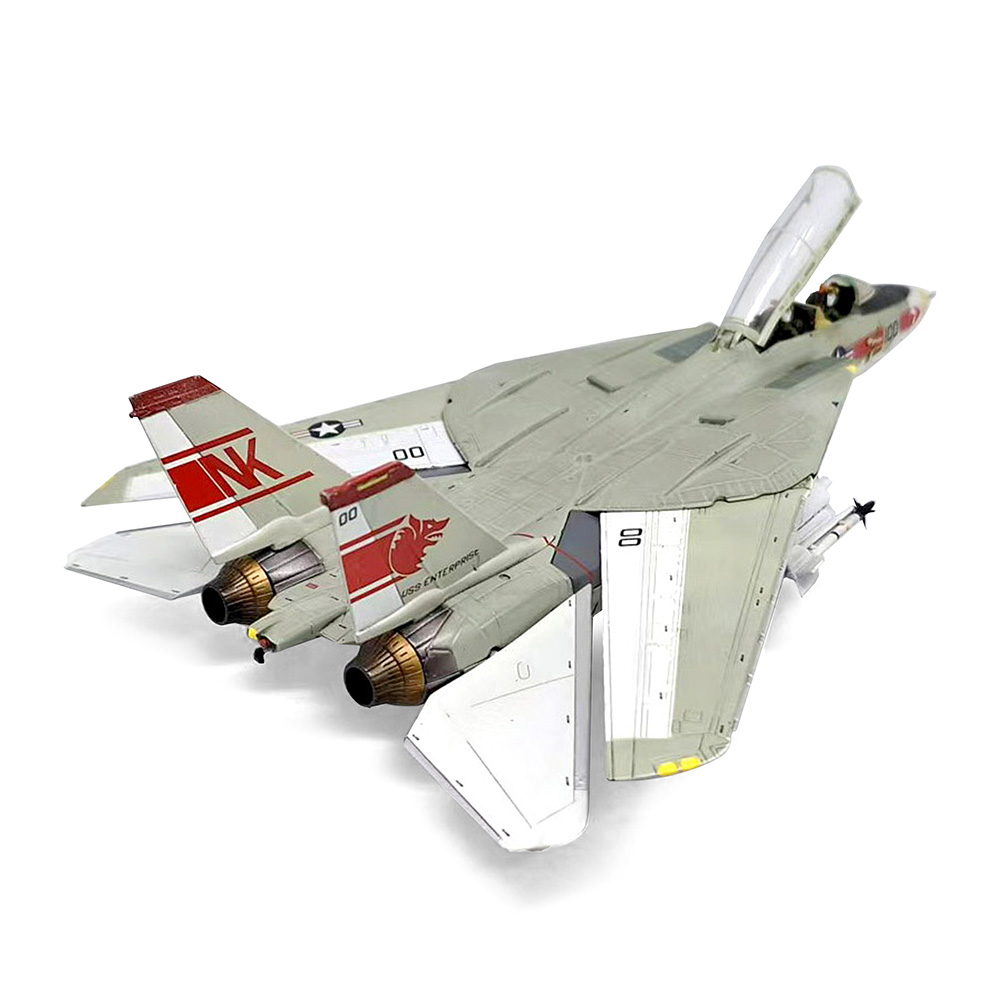
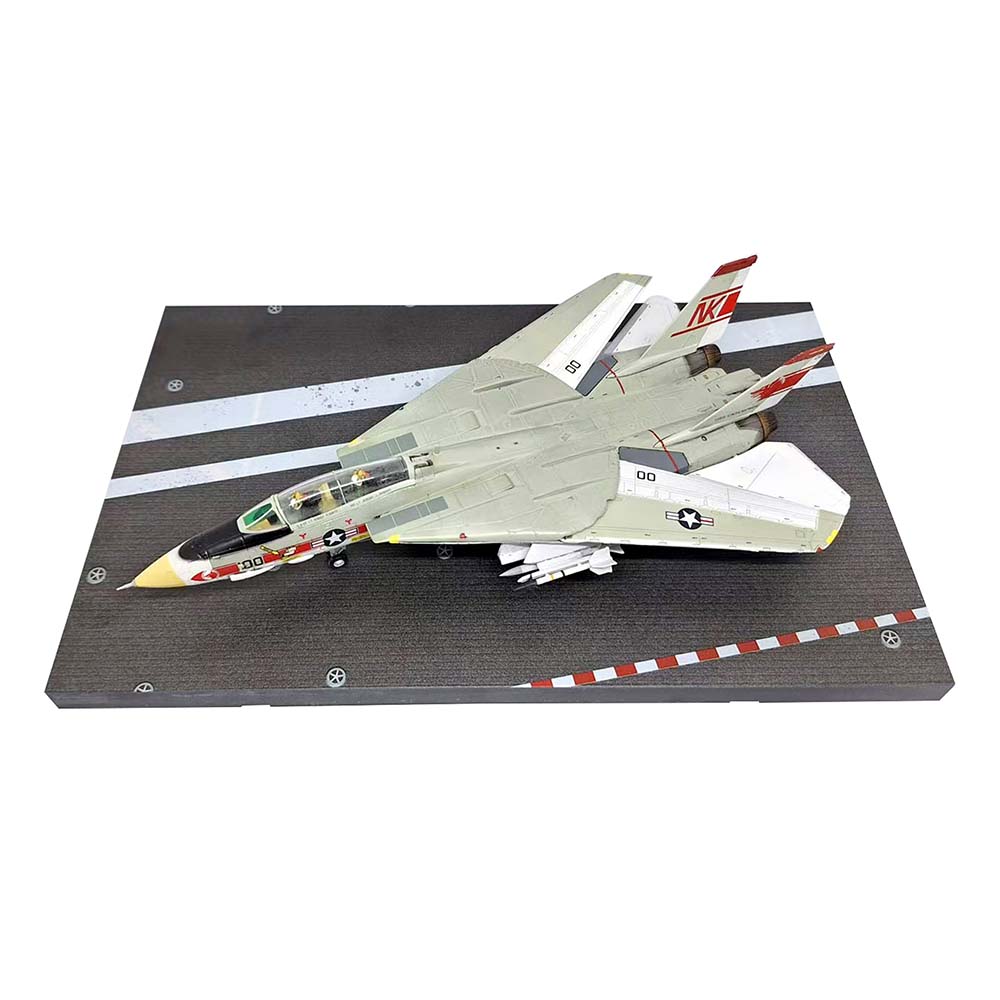
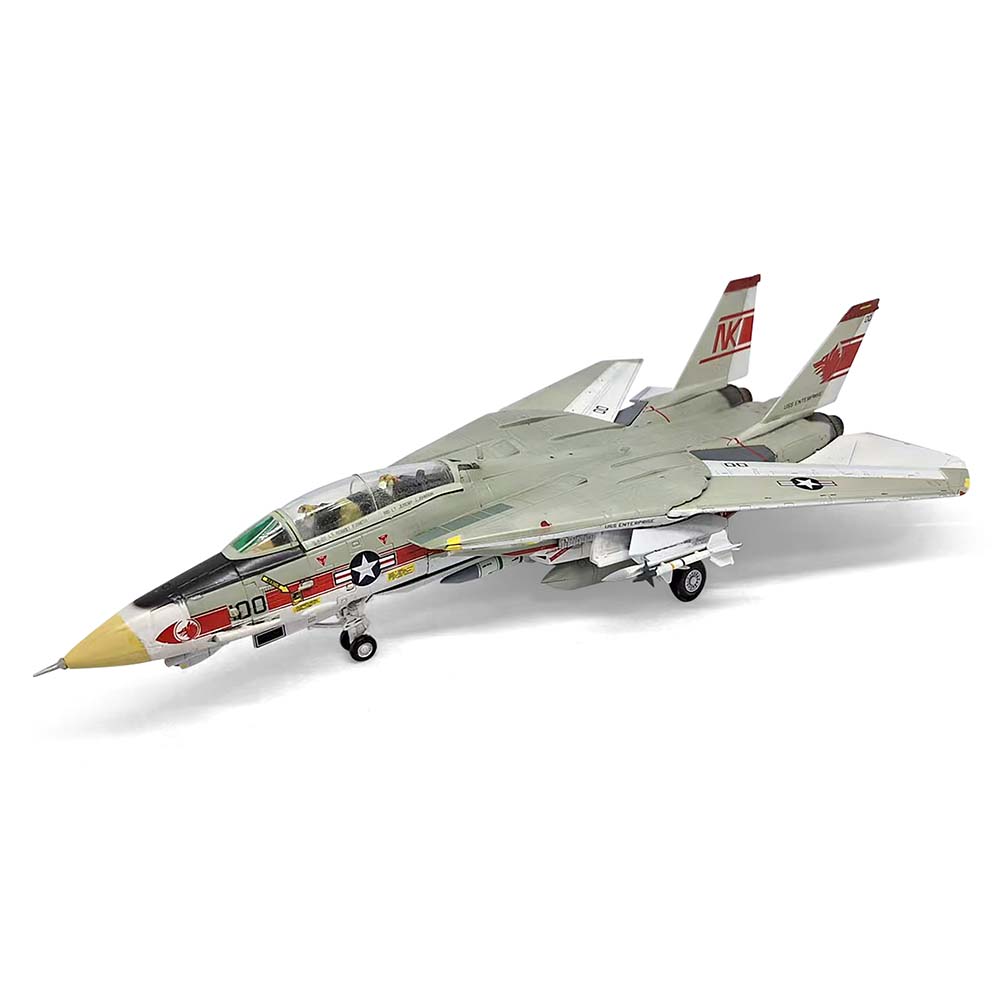
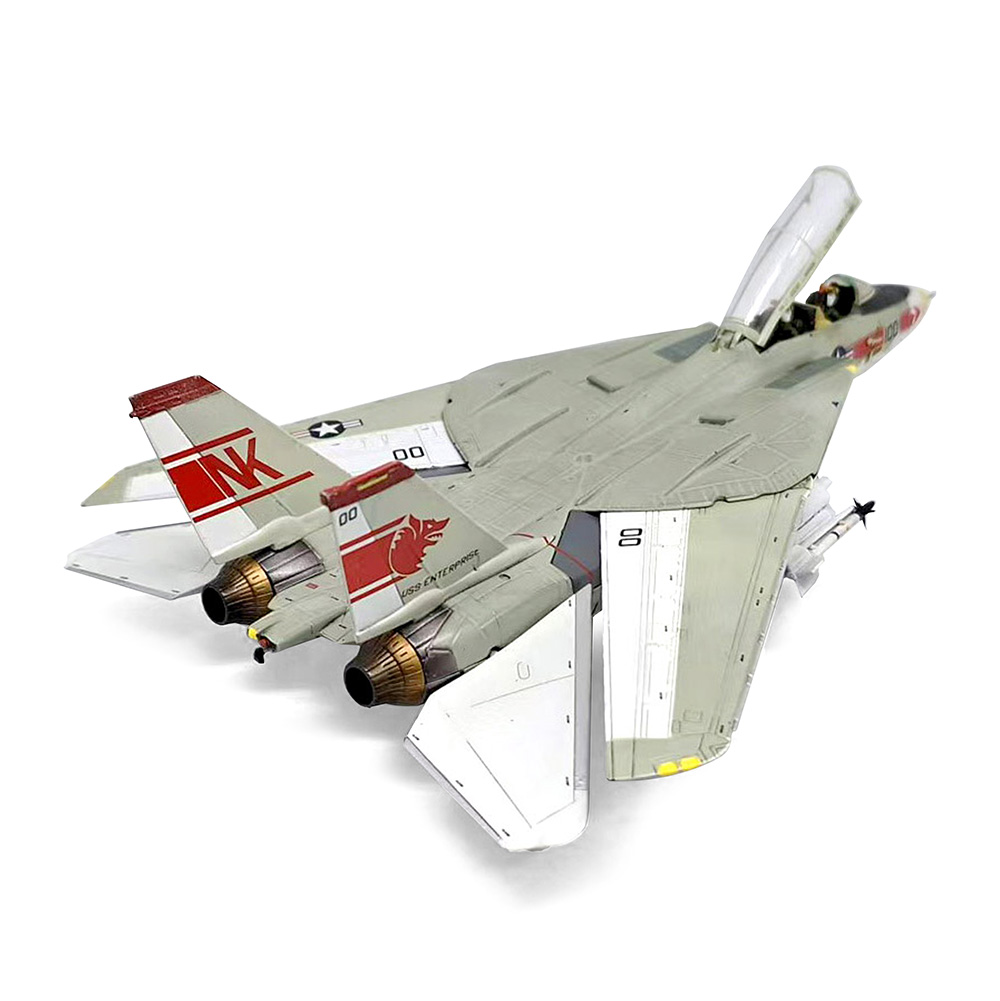
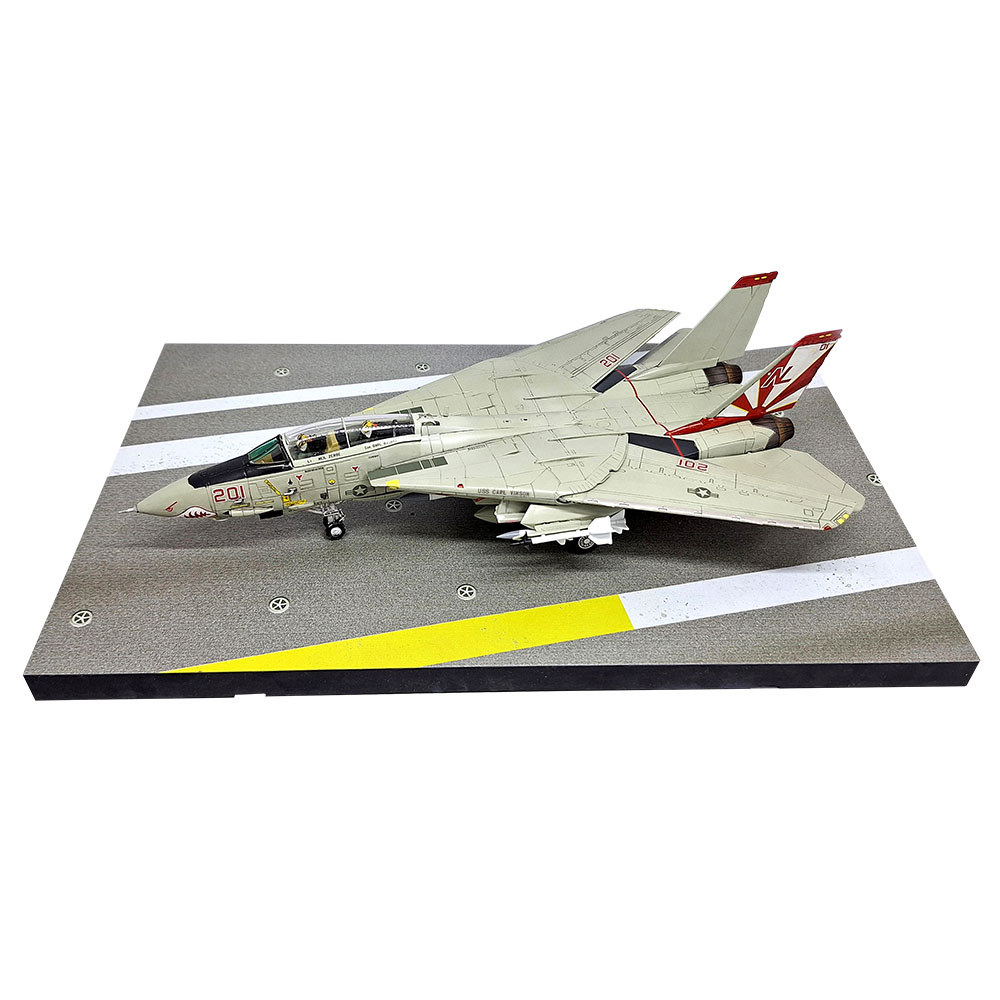
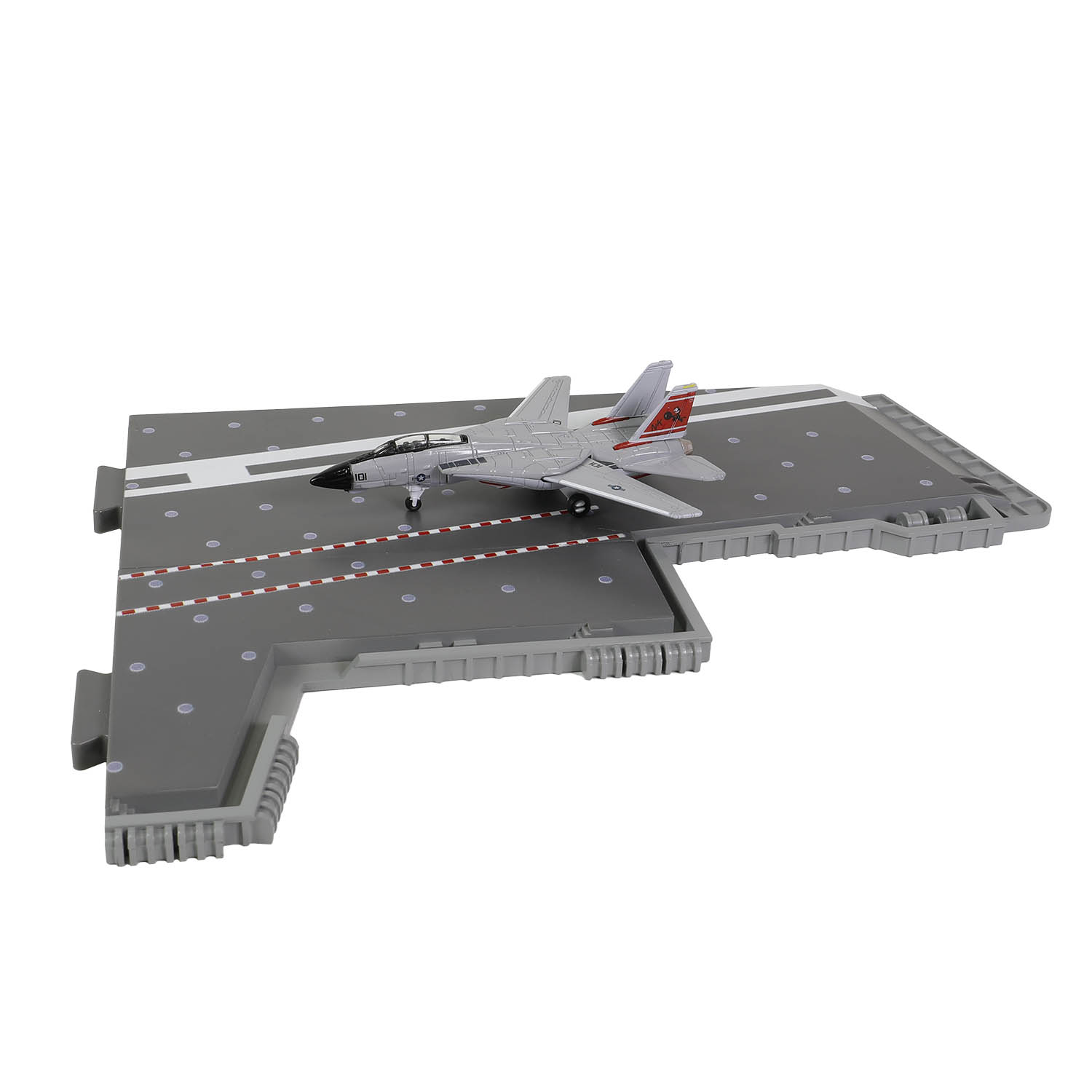
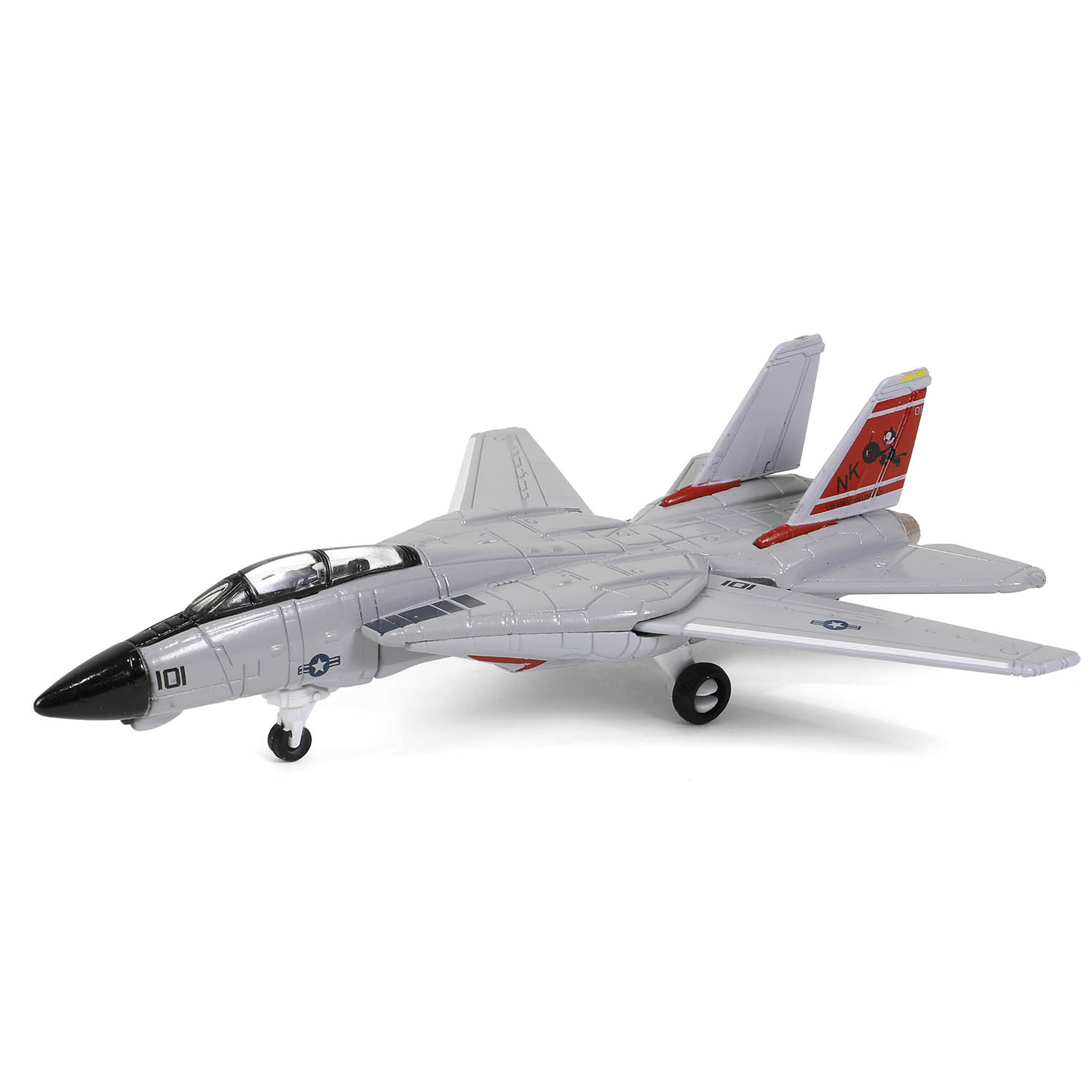
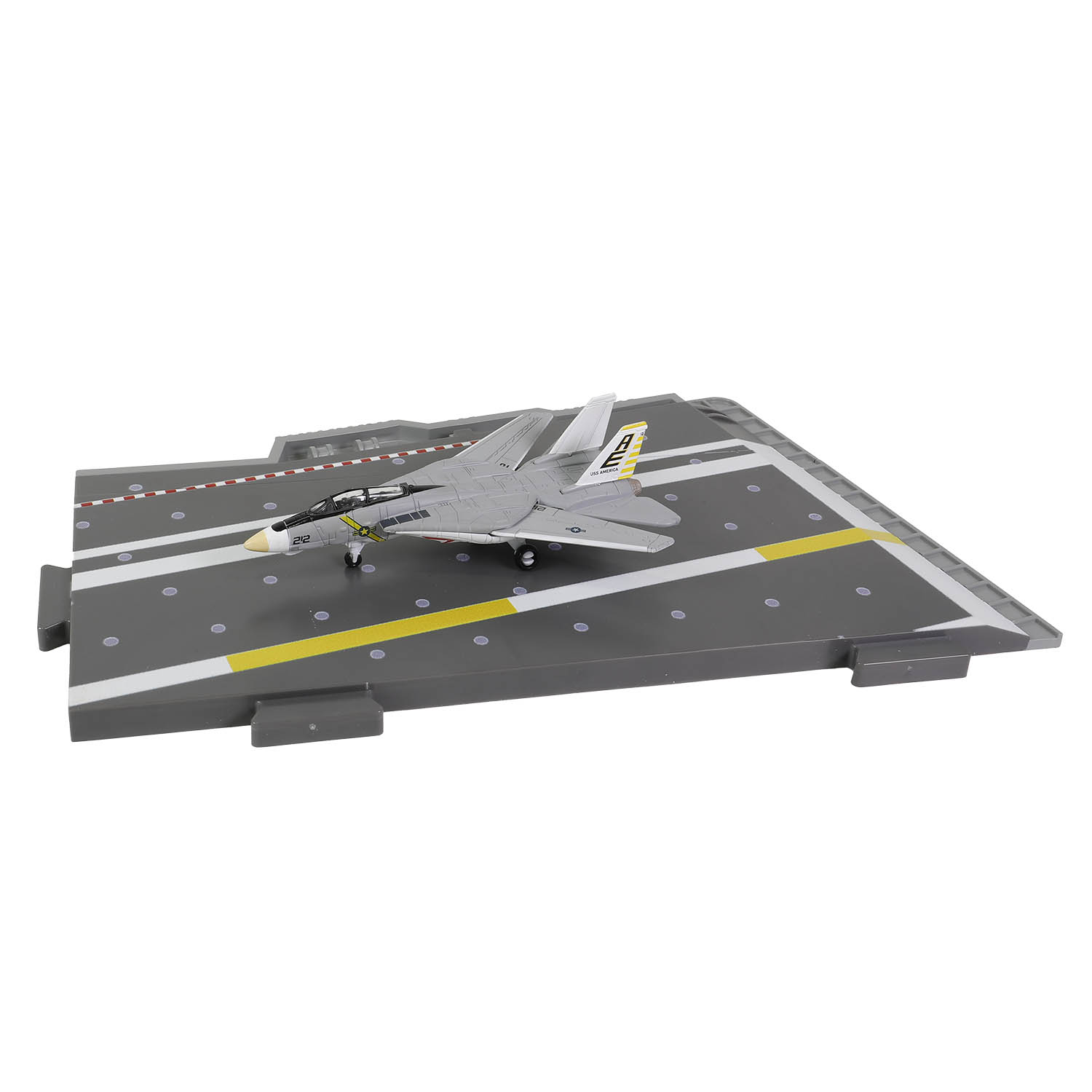
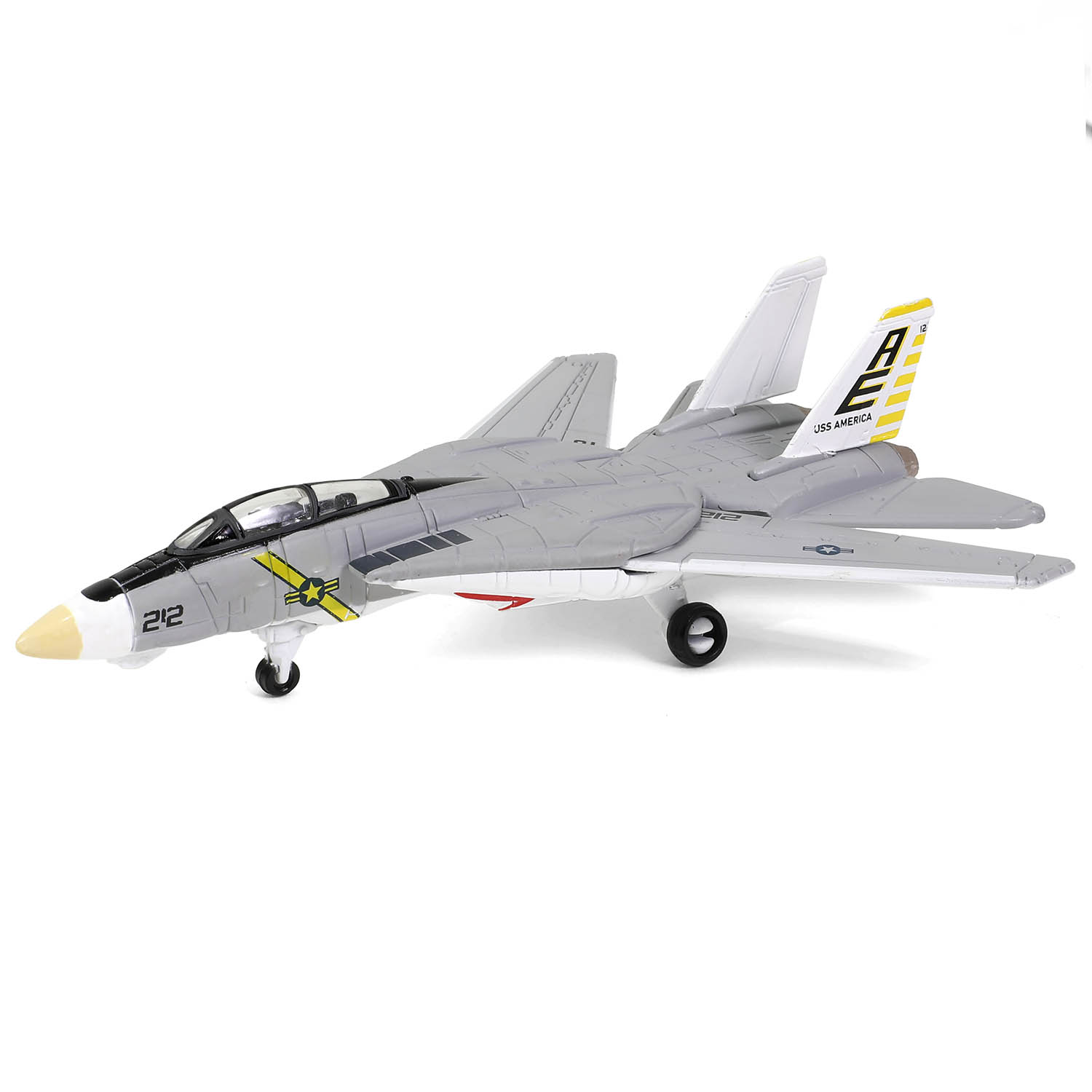
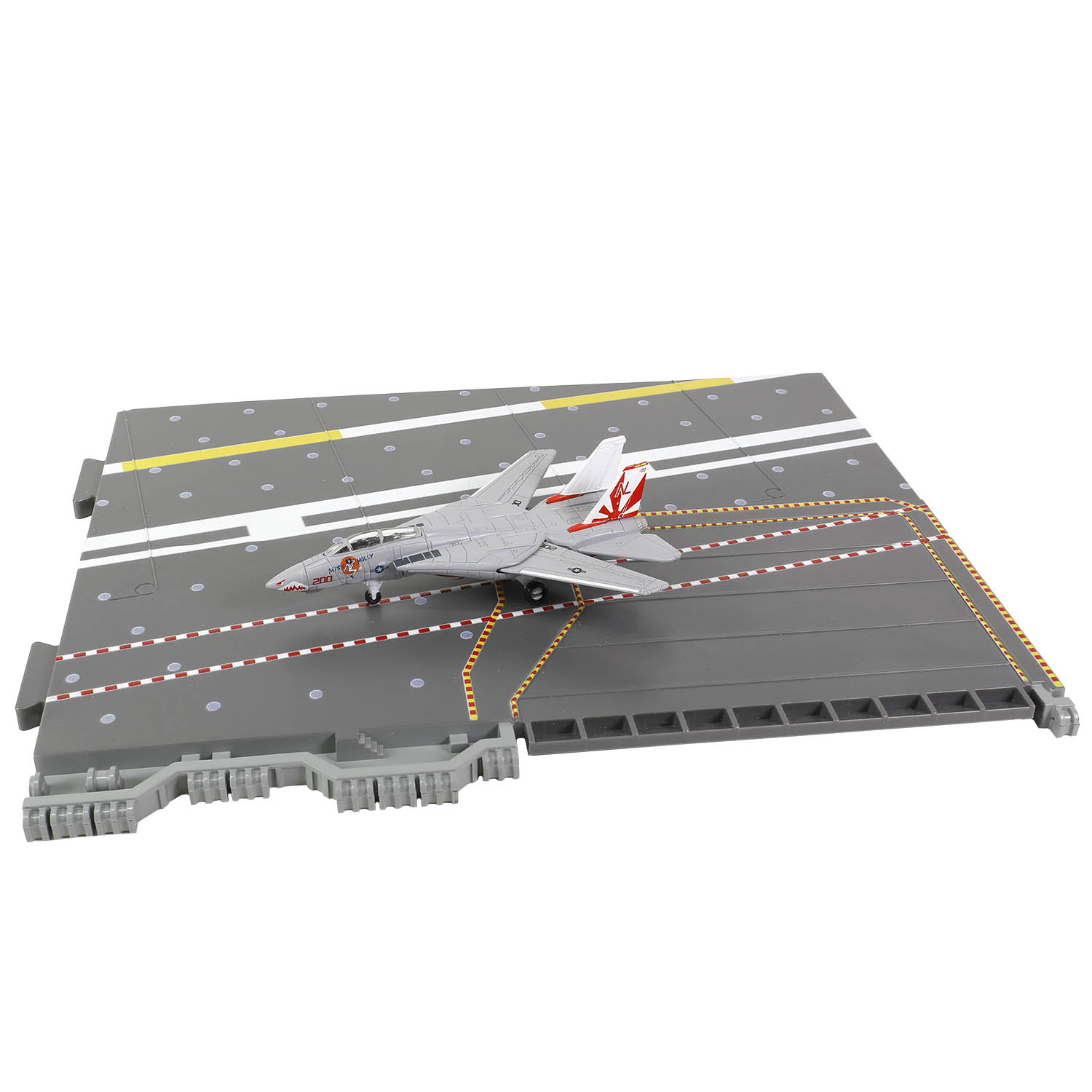
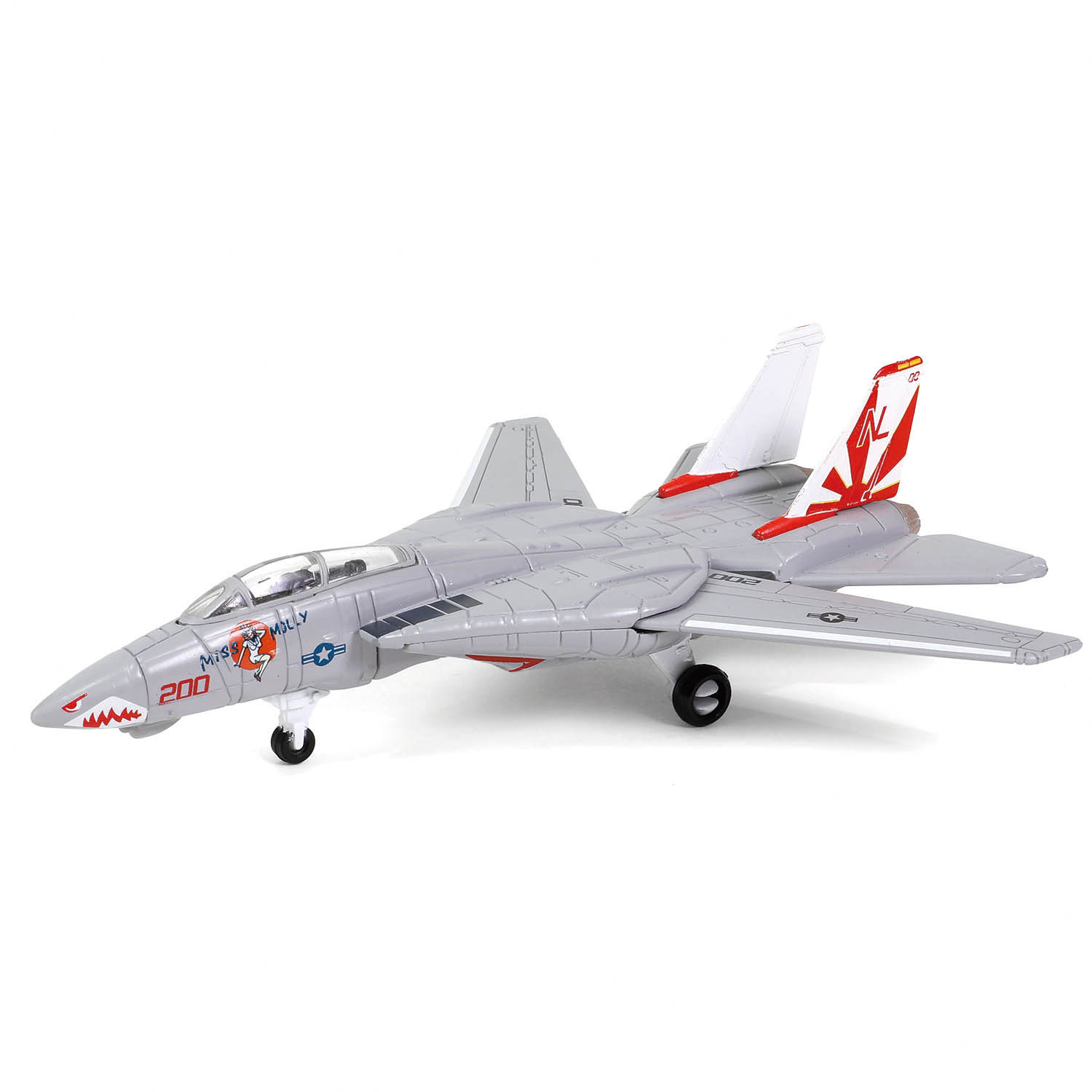
The U.S. Navy F-14 Tomcat is a twin-seat, twin-engine variable-sweep wing fighter that entered service in 1974 and was retired in 2006. It has a length of 62 feet 8 inches, a wingspan of 38 feet 2 inches, a top speed exceeding Mach 2.4, and an operational range of 1,600 nautical miles. The F-14 is equipped with a variety of weapons, including the AIM-54 Phoenix missile and the M61A1 cannon, capable of performing both air-to-air and ground attack missions. Its Pratt & Whitney F110-GE-400 engines provide powerful thrust, and the fuselage and variable wing design enhance agility and performance, allowing the wing shape to adjust based on speed for improved low-speed handling and high-speed performance. It offers better lift at low speeds, enhancing stability and versatility. However, this design also increases mechanical complexity and weight, leading to higher maintenance costs and potentially greater risk of failure.
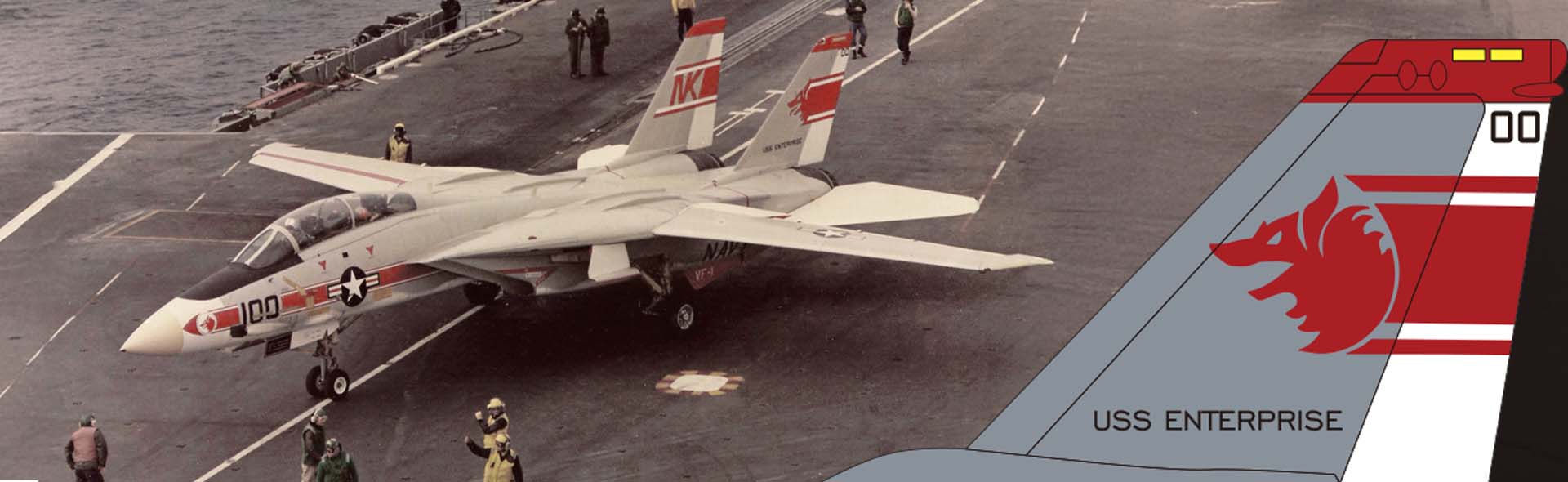
"Wolfpack" is the fourth VF-1, established on October 14, 1972, at NAS Miramar, simultaneously with VF-2. These units were the first F-14 fighter squadrons. VF-1 received its first F-14A on July 1, 1973. The squadron's insignia is a red wolf's head designed by Grumman commercial artist George M. Kehew, who is also a WWII combat veteran. The squadron insignia is registered in the Library of Congress.
VF-1's first cruise took place in September 1974 aboard the USS Enterprise. At the end of this cruise, VF-1 and VF-2 provided cover for the evacuation of U.S. personnel during Operation Frequent Wind in April 1975, marking the F-14's combat debut. The squadron performed notably during the Vietnam War, participating in numerous important combat missions, and was officially disestablished in 1994.