- Introduction & Background
The Panzerkampfwagen IV was the true workhorse of the German armored forces during World War II, with approximately 8,600 units produced between 1938 and 1945. Renowned for its highly adaptable chassis and exceptional reliability, it spearheaded nearly every major campaign across the European and North African theaters.
The Ausf. F1 variant, introduced in 1941, marked a revolutionary upgrade in protection by increasing the single-plate frontal armor thickness to 50 mm. In terms of armament, the F1 retained the classic early short-barreled configuration, mounting a 75mm KwK 37 L/24 gun designed primarily for infantry fire support.
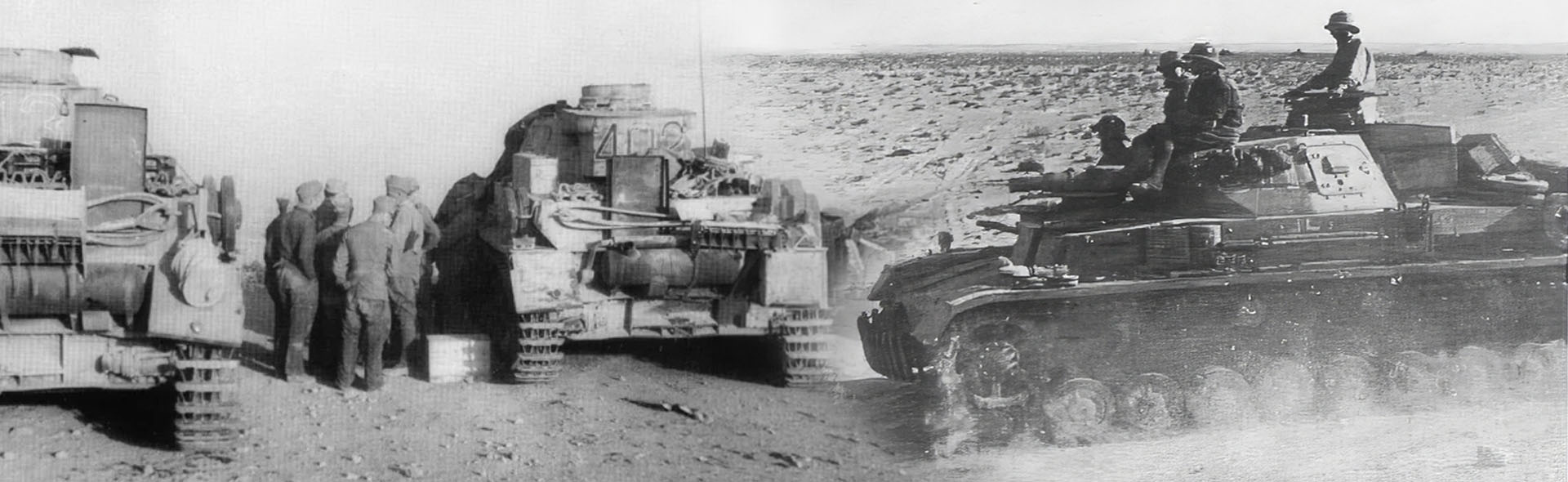
From its combat debut in the rugged mountain passes of the Balkans Campaign to the grueling mud and freezing winters of Operation Barbarossa on the Eastern Front, and ultimately onto the sun-scorched sands of El Alamein with the legendary Afrika Korps, the Ausf. F1 proved itself an indomitable combat variant on every battlefield it encountered.